
Reach Trucks for High Racking and Narrow Aisles
Lithium-ion reach trucks for pallet storage where aisle width, lift height, residual capacity and shift duration must be checked together.
Request a Reach Truck ReviewDiscuss It on WhatsAppWhere does a reach truck improve warehouse capacity?
A reach truck retracts the mast or fork carriage so the chassis can turn in a tighter aisle than a counterbalance forklift. It is the normal choice for high-bay pallet storage on level warehouse floors.
It is not selected by lift height alone. The actual pallet, load centre, top storage level, rack clearance, aisle, turning area and residual capacity determine whether the truck can work safely.
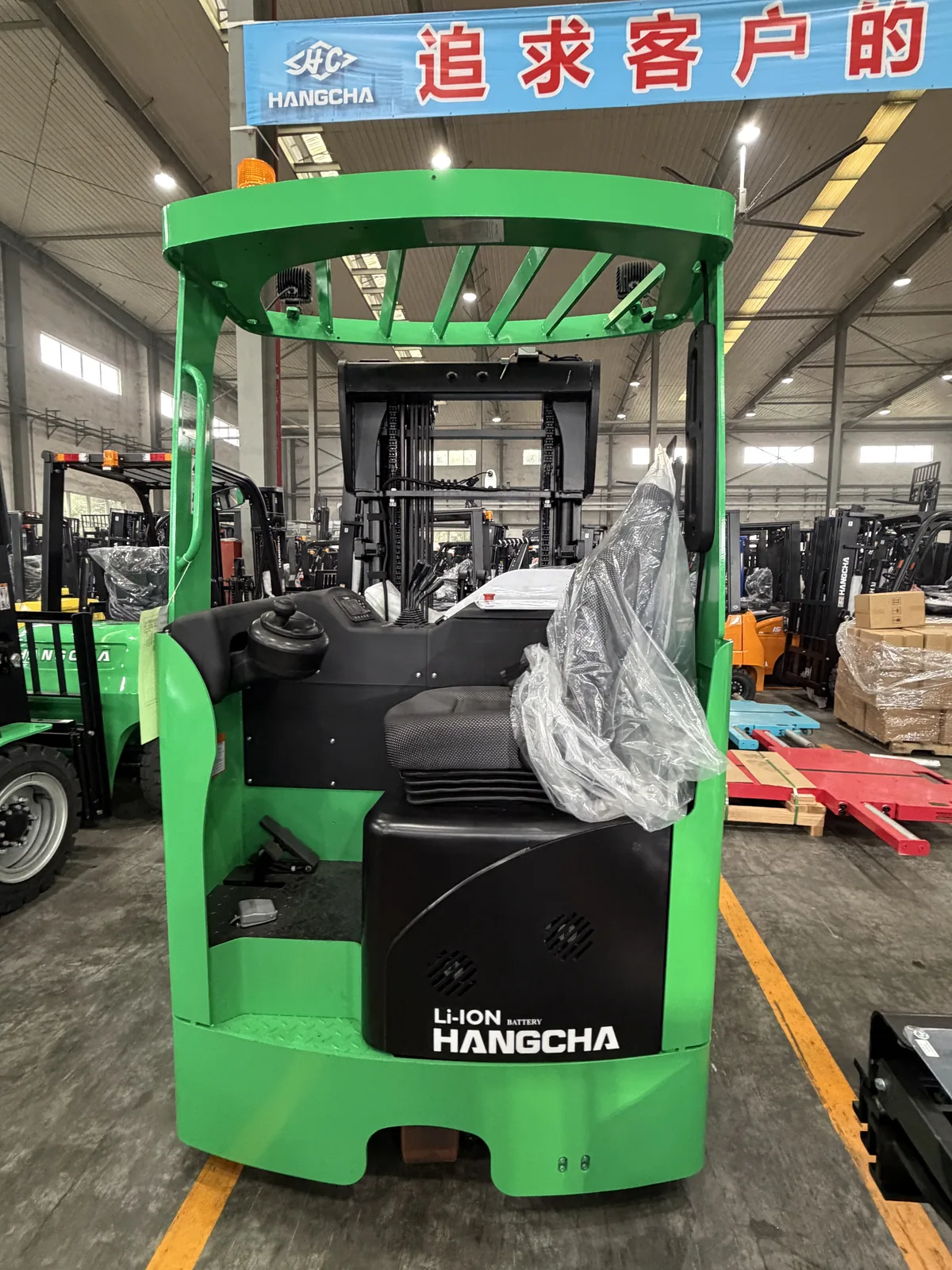
Reach truck groups by load, height and environment
1.0–1.2 t XC Series
Compact lithium reach trucks with 7,000 mm maximum lift height, 14 km/h travel speed and mechanical-lever or fingertip control.
Review the 1.0–1.2 t XC Series →1.4–2.5 t Standard Reach Trucks
Higher-capacity chassis for common pallet storage, taller masts and heavier duty cycles. The residual-capacity chart decides the final model.
Review the 1.4–2.5 t XC Series →Cold Store and Special Reach Trucks
Cabins, heaters, cold-store packages, multi-directional steering or special forks are selected only after the route and load are confirmed.
Review cold-store reach trucks →Review special long-load reach trucks →
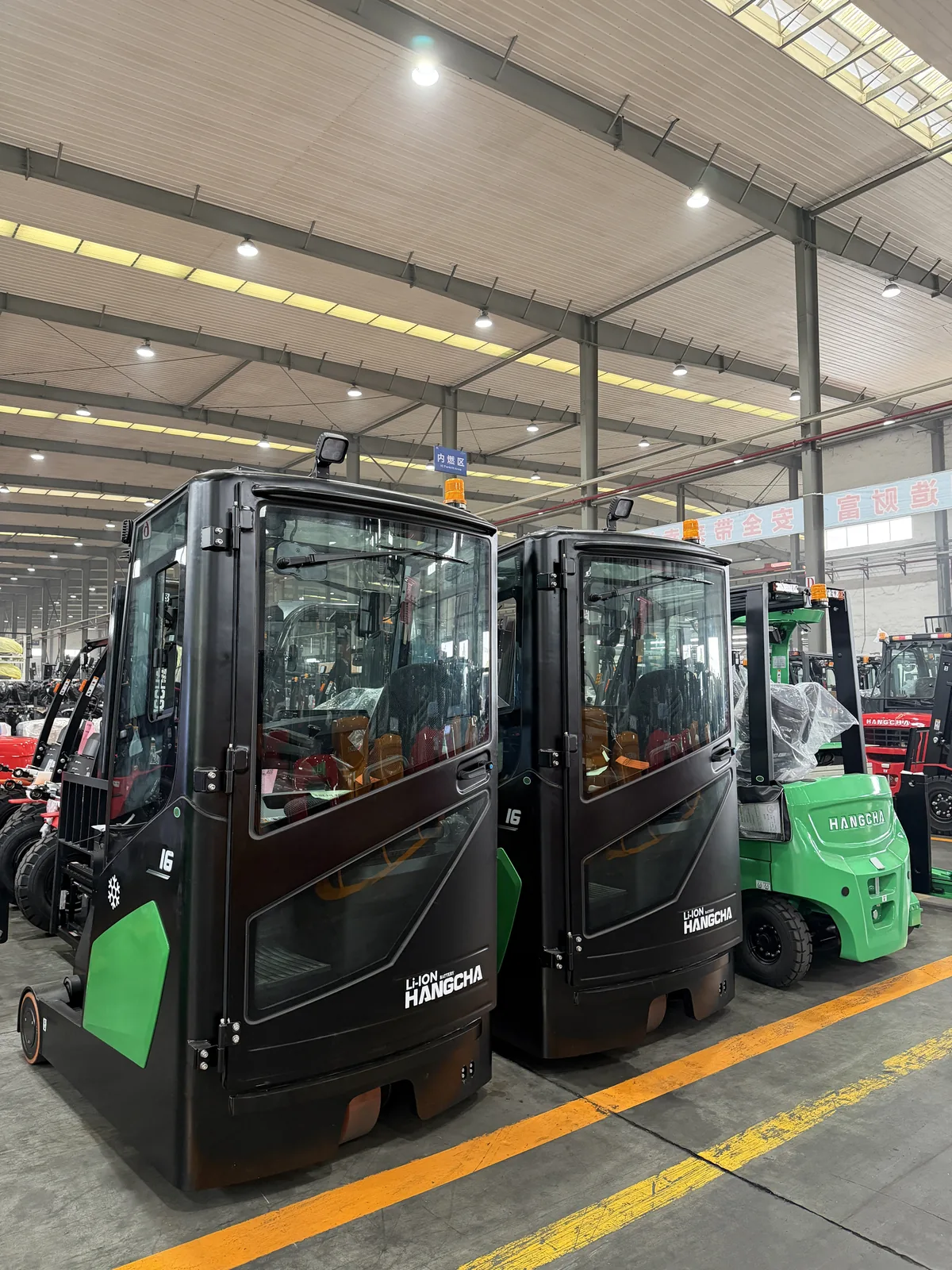
What must be confirmed before selecting the mast and chassis?
| Load and pallet | Maximum weight, pallet entry, dimensions, overhang and actual load centre. |
|---|---|
| Rack and mast height | Top beam, required fork height, roof clearance, sprinkler clearance and required residual capacity. |
| Aisle and turning area | Rack-to-rack aisle, transfer aisle, pallet orientation and safety clearance. |
| Shift and battery | Travel distance, lifts per hour, shift duration, charger input and charging window. |
| Environment | Floor flatness, freezer temperature, condensation, ramps, doors and pedestrian traffic. |
Reach truck operation is a complete working cycle
A quick truck on paper can still lose time through poor visibility, slow positioning or an unsuitable battery plan. We review travel, lifting, reaching, pallet entry and operator movements as one cycle.
The video shows the operating sequence of a reach truck. It also demonstrates why steering, fork position and rack clearance must be considered before the truck enters service.
ForkFocus matches the reach truck to the warehouse, not only the capacity label
We compare the available chassis, mast, battery, charger, camera, height pre-selection and cold-store options against the real pallet route. This avoids paying for unused performance or accepting a truck that cannot retain enough capacity at the top level.
Planned service parts, documentation and packing can be coordinated with the truck through our 360 Service and flexible shipment planning.
Reach Truck FAQ
What is the difference between a reach truck and a counterbalance forklift?
A reach truck retracts the load toward the chassis and is built for narrow warehouse aisles and high racking. A counterbalance forklift is more suitable for docks, yards, mixed indoor/outdoor routes and uneven transitions.
How high can a reach truck lift its full rated load?
The rated load cannot automatically be carried at maximum mast height. The selected model, mast, fork or attachment weight and load centre determine the residual capacity.
Which control type should be selected?
Mechanical levers are familiar and direct. Fingertip controls reduce hand movement and can suit intensive shifts, but operator preference and training should be considered.
Can a reach truck work in cold storage?
Yes, when the model has the appropriate low-temperature package, cabin, heater, battery plan and condensation protection. The actual temperature and time inside the freezer must be stated.
What are the normal delivery, payment and warranty terms?
Small-capacity forklifts normally require about 30 days after technical confirmation. Payment is normally 30% deposit and 70% before delivery; warranty is 1–2 years or 2,000 working hours, whichever comes first, subject to the confirmed order.
Reviewed by the ForkFocus forklift team using Hangcha reach-truck data and practical warehouse selection checks.
Open the correct Reach Truck series
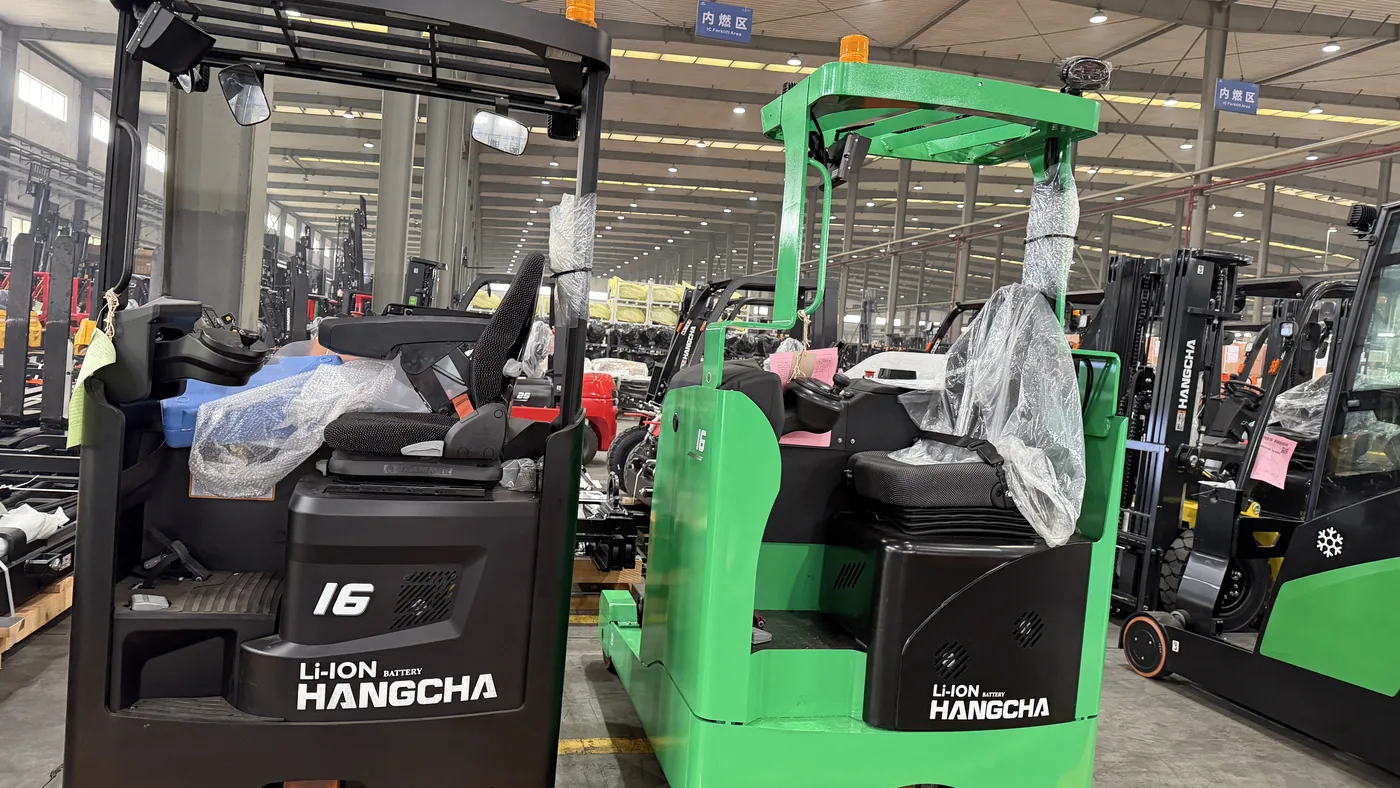
XC Series 1.0–1.2 t
Compact lithium reach trucks for common pallet storage and tighter warehouse routes.
Open the XC Series page →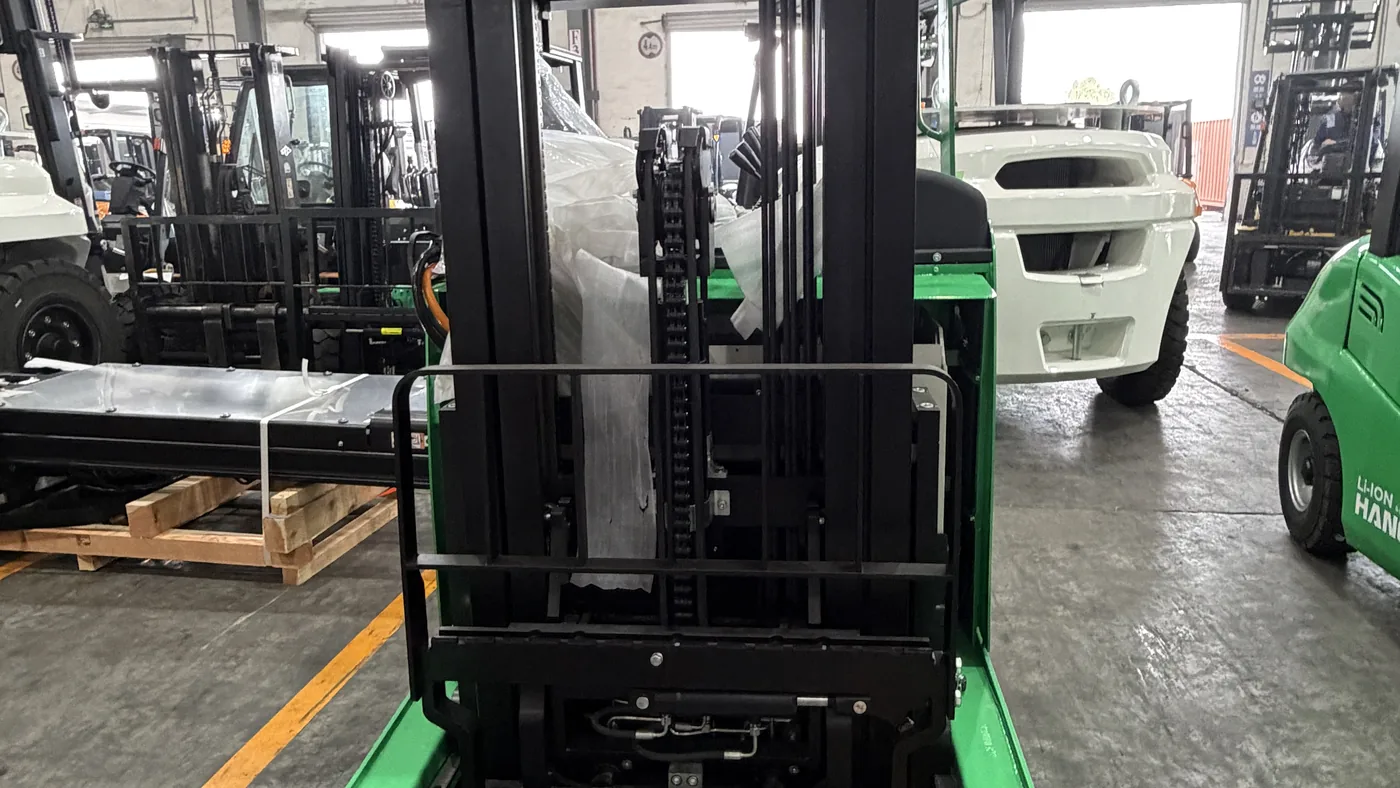
A Series 1.2–2.0 t
Standard A Series route for 1.2–2.0 tonne pallet handling.
Open the A Series page →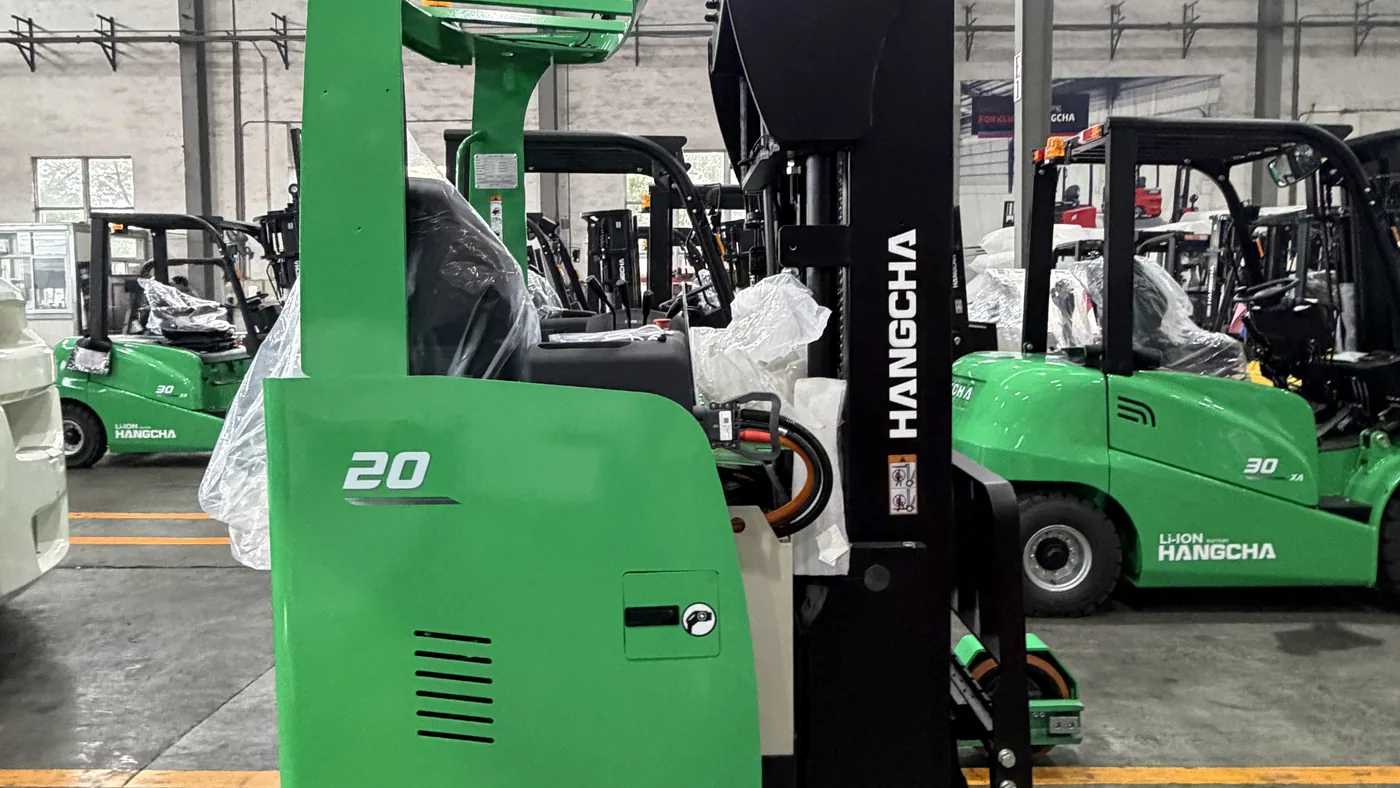
XC Series 1.4–2.5 t
Higher-capacity lithium reach trucks for taller racks and heavier pallets.
Open the XC Series page →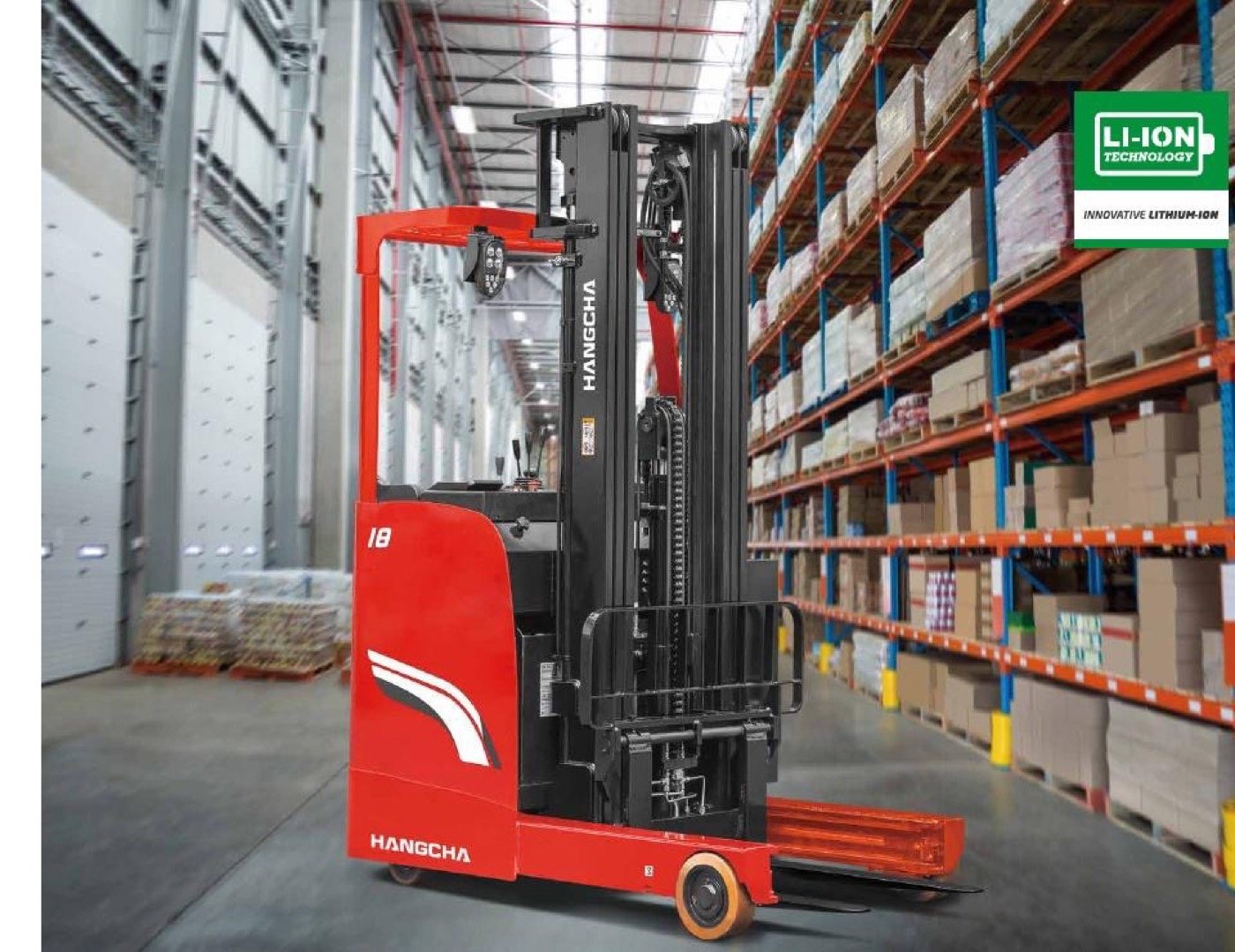
A Series Stand-on 1.5–1.8 t
Stand-on chassis for shorter warehouse routes and frequent direction changes.
Open the 1.5–1.8 t page →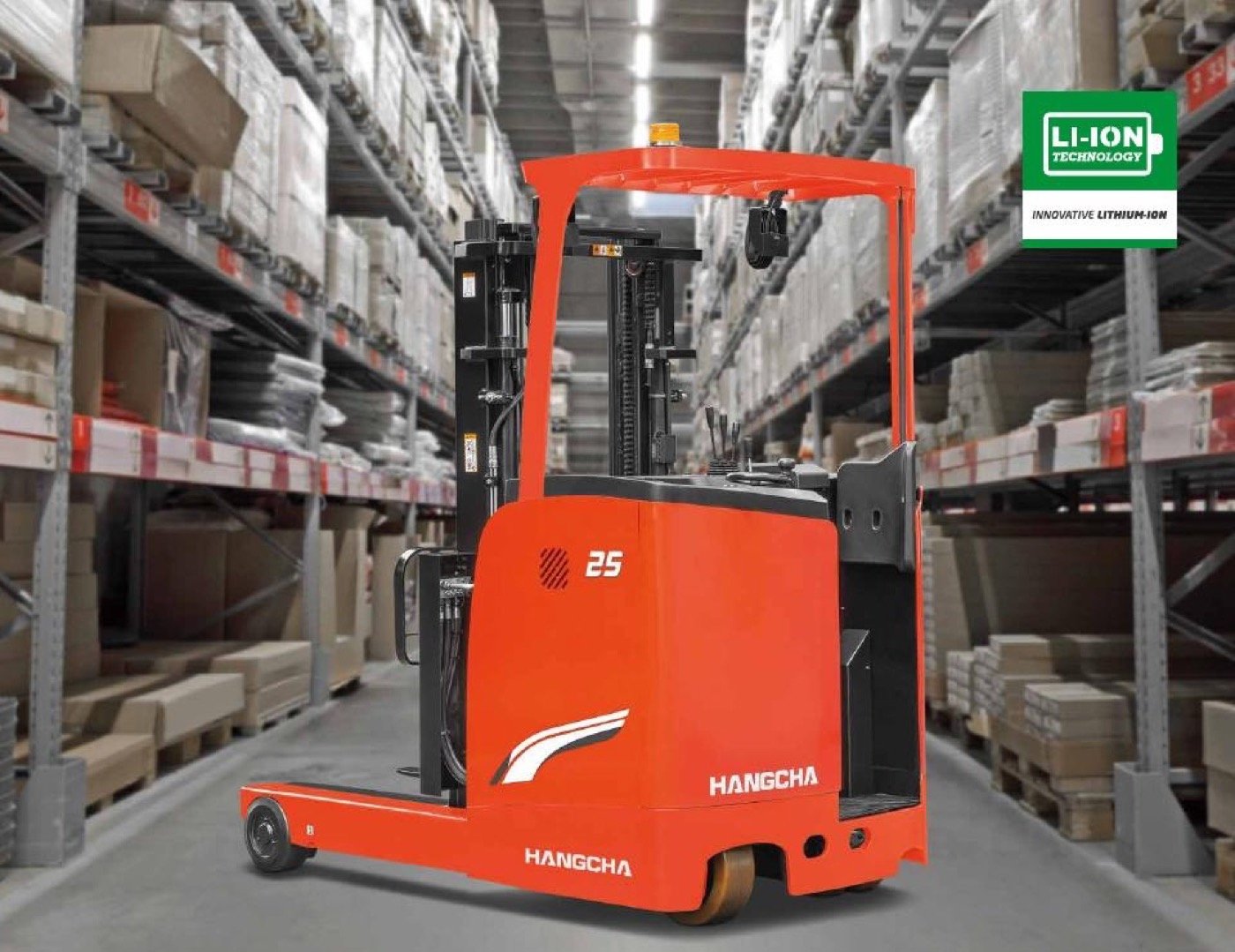
A Series Stand-on 2.0–2.5 t
Heavier stand-on route with standard and fingertip-control configurations.
Open the 2.0–2.5 t page →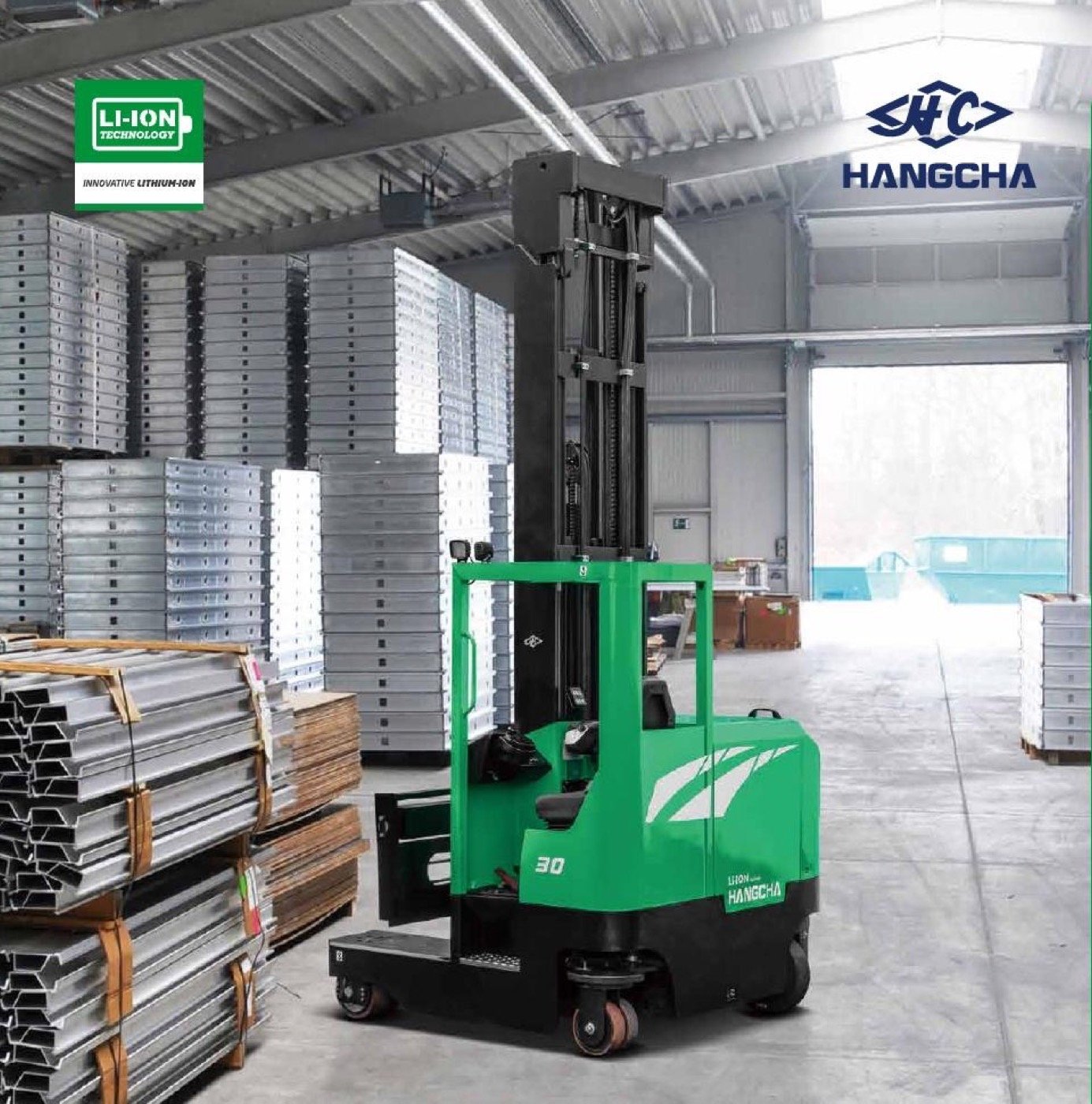
X Series All-directional 2.0–3.0 t
Long-load handling where steering direction and fork positioning matter.
Open the all-directional page →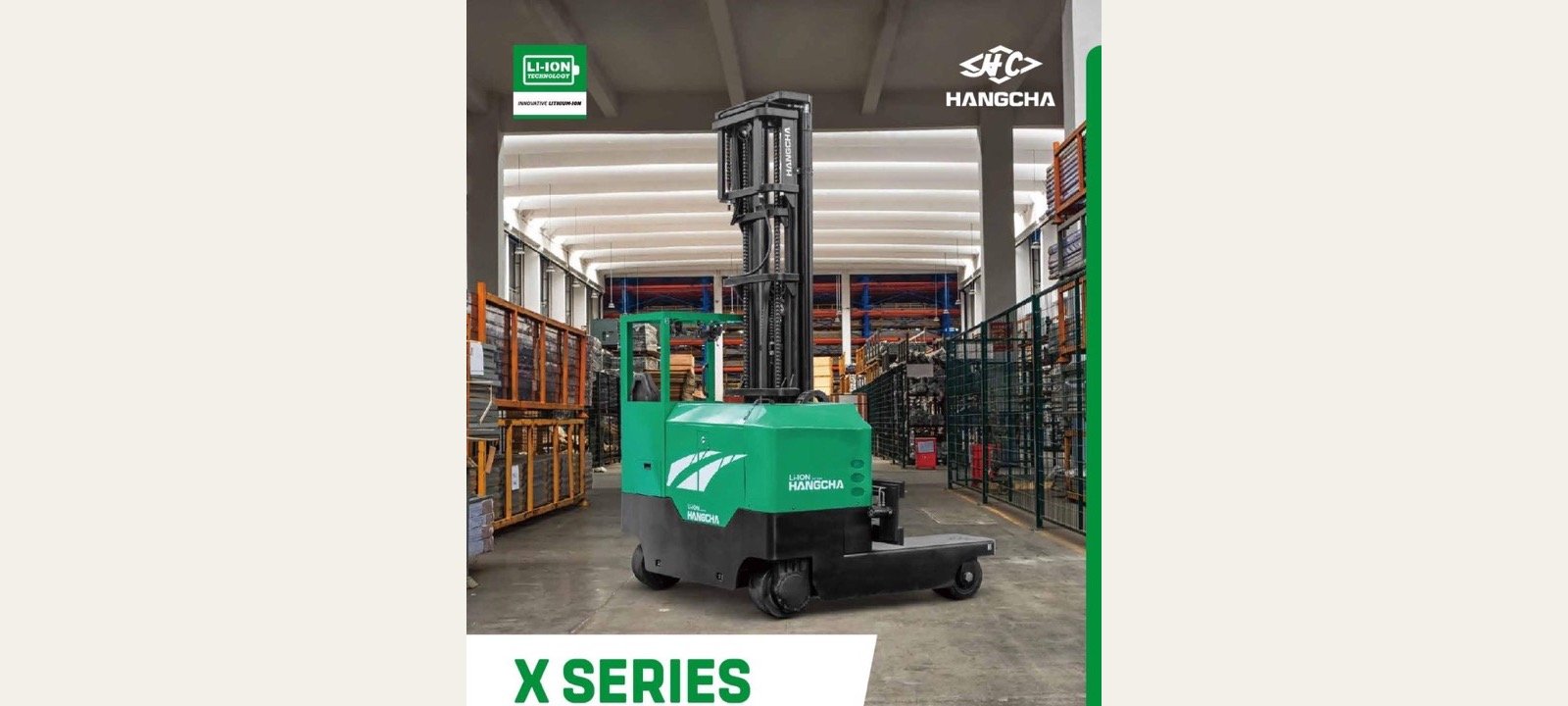
X Multidirectional Sideloader 3.5–4.5 t
Heavy long-load route for timber, steel, aluminium and structural products.
Open the sideloader page →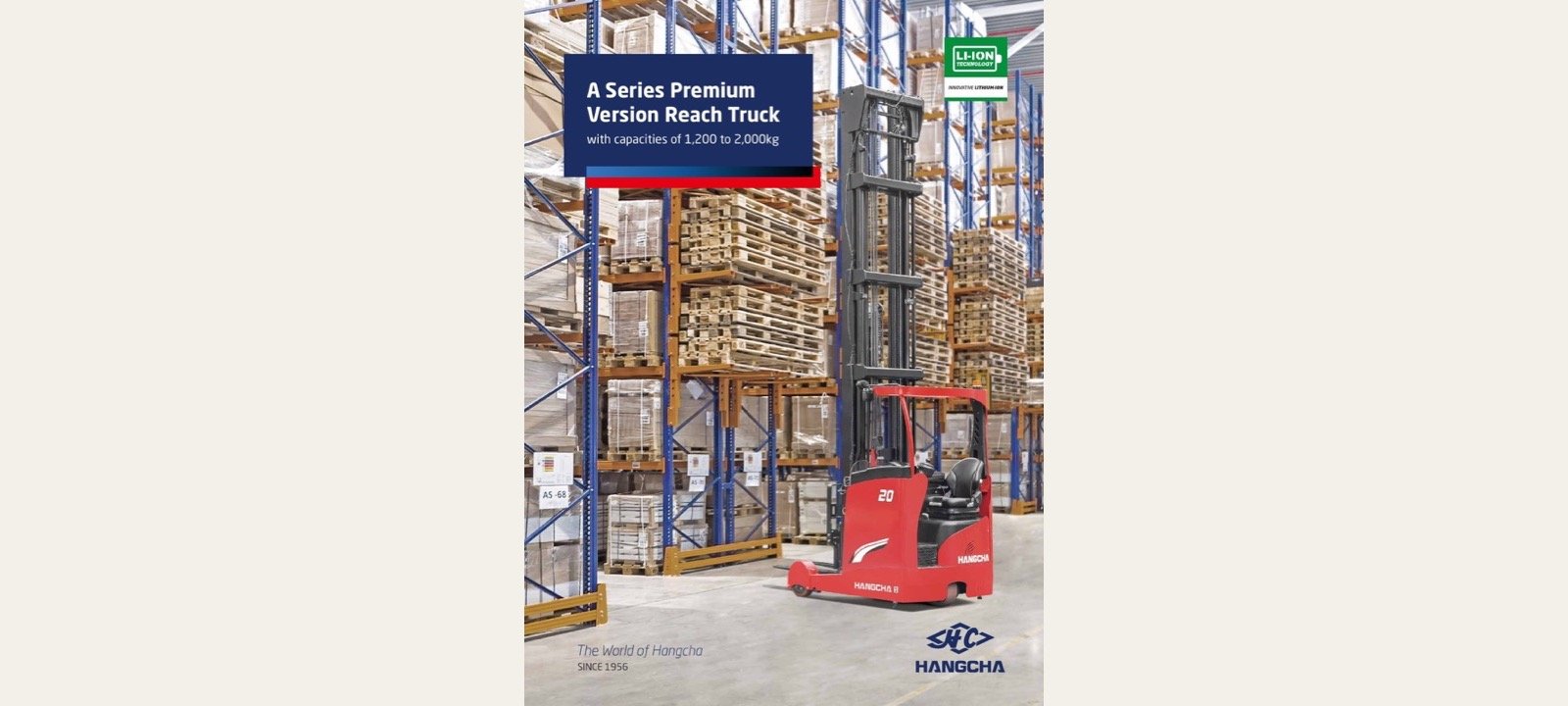
A Series Premium 1.2–2.0 t
High-bay configuration with 14 km/h travel and taller mast programme.
Open the premium page →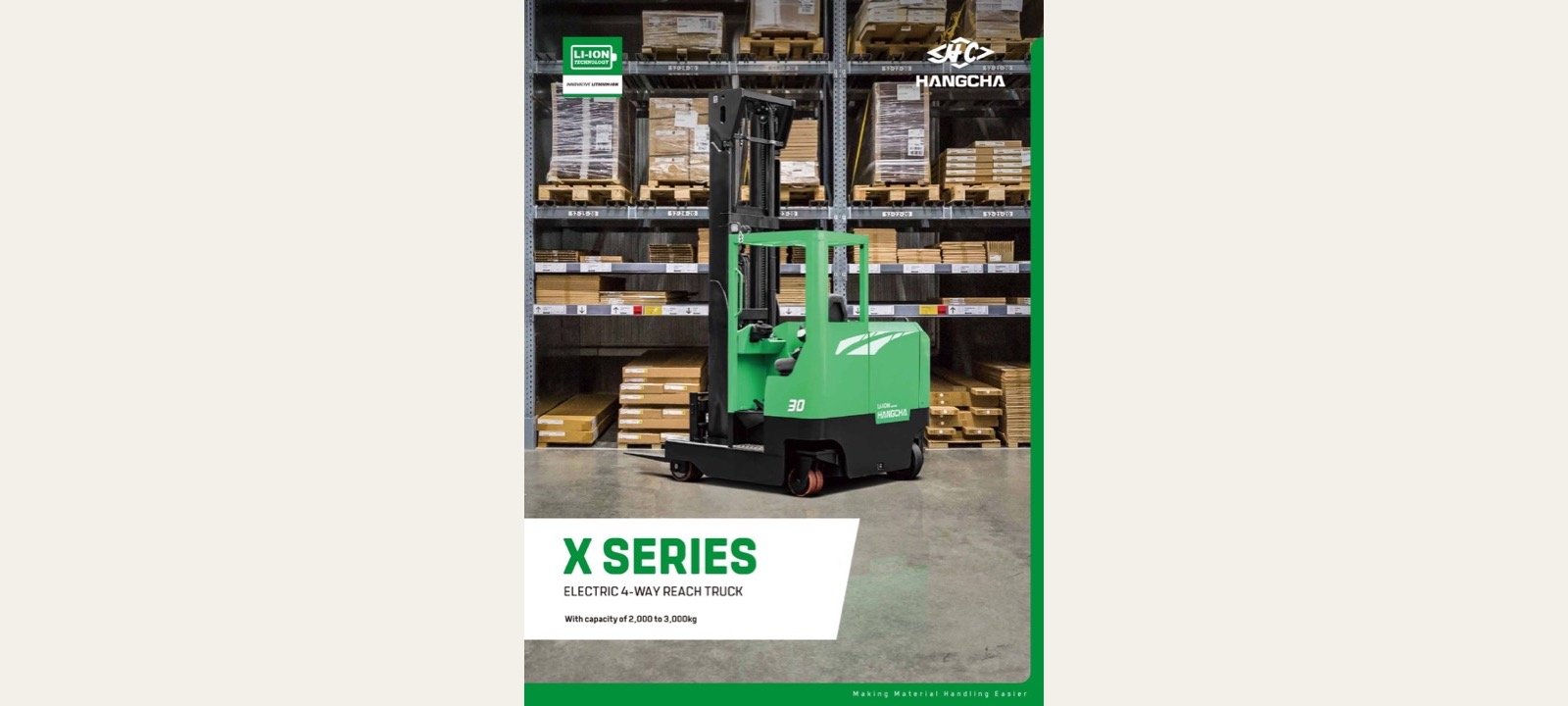
X Series Four-way 2.0–3.0 t
Four-way steering route for long loads and mixed pallet work.
Open the four-way page →