
Forklift import buying checklist
Before placing an overseas forklift order, confirm the application, exact configuration, quotation scope, destination requirements, inspection evidence, packing, spare parts and after-sales process. A low unit price does not protect the buyer from a wrong mast, charger, attachment interface, document gap or unclear warranty scope.
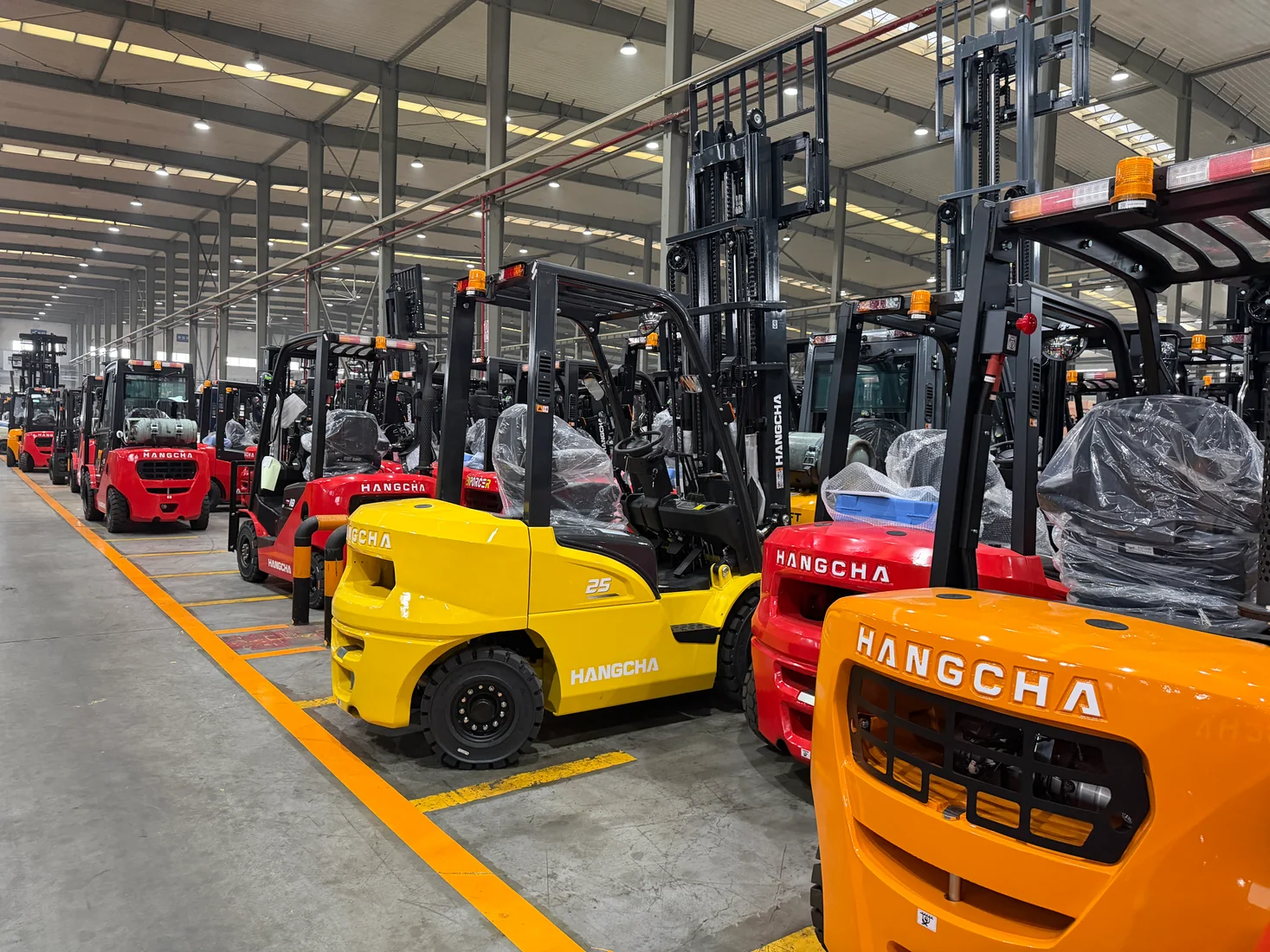
Control the order before money and shipping lock the specification
Reduce configuration, scope and delivery risk before placing an overseas order. A complete order connects the operating requirement to the exact truck, commercial scope and support terms.Control the complete order, not only the unit price
Approve the order only when the truck can be traced through application review and final specification confirmation, quotation, documents, inspection and support. Treat the forklift, mast, power system, tyres, attachment, loose parts, export preparation and after-sales scope as one controlled purchase.Forklift import purchase-control matrix
Reduce configuration, scope and delivery risk before placing an overseas order.| Purchase area | Confirm before order | Commercial evidence | Common risk |
|---|---|---|---|
| Application | Load, load centre, lift height, aisle width, turning clearance, surface, duty and attachment | Requirement sheet and approved recommendation | Nominal capacity selected without operating data |
| Truck configuration | Model/series, capacity, mast, forks, tyres, power and options | Signed specification and option list | Quotation description too broad |
| Electrical/fuel | Battery, charger, voltage/frequency/plug or engine/fuel/emissions | Data sheets and destination confirmation | Charger or emissions mismatch |
| Attachments | Type, capacity, weight, ET, carriage and hydraulics | Drawing/specification and capacity review | Attachment fits physically but truck capacity is insufficient |
| Trade scope | Incoterm, destination, packing, freight responsibility and timing | Quotation and contract scope | Hidden or duplicated responsibility |
| Support | Warranty contact, claim process, spare parts, manuals and technical contact | Written support terms and parts package | Support assumed but not defined |
Decisions that must be written into the order
The order should preserve the complete chain through application inputs and specification confirmation, commercial scope, inspection and support.01
Define the application
Do not begin with a preferred model. Record the material, load weight, load centre, site conditions, aisle and turning clearance, lift height and duty cycle.02
Freeze the configuration
Use one controlled specification covering truck, mast, forks, tyres, power, attachment and options.03
Clarify quotation boundaries
State quantity, Incoterm, destination, packing, freight, taxes/duties responsibility and validity.04
Verify documents and compliance
List required manuals, certificates, labels and destination-specific documents before order.05
Plan inspection and shipment
Agree evidence, discrepancy closure, dismantling, packing and loading expectations.06
Plan lifecycle support
Confirm maintenance items, first-service spares, replacement parts identification, warranty communication and technical records.Proceed, clarify or stop before purchase
The final recommendation can change with the load centre, lift height, aisle width, turning clearance, duty cycle or ground conditions.Approve when…
Application, configuration, price scope, documents, inspection, packing, parts and support are written and internally consistent.Clarify when…
The quotation uses broad descriptions, an option is assumed, charger/emissions data is missing or the inspection plan is undefined.Resolve before order approval
Record and close any material configuration difference, document gap or unresolved capacity or attachment issue against the approved specification.Order, documentation and packing evidence
Each image has a defined buyer purpose. Captions state what the image does—and does not—verify.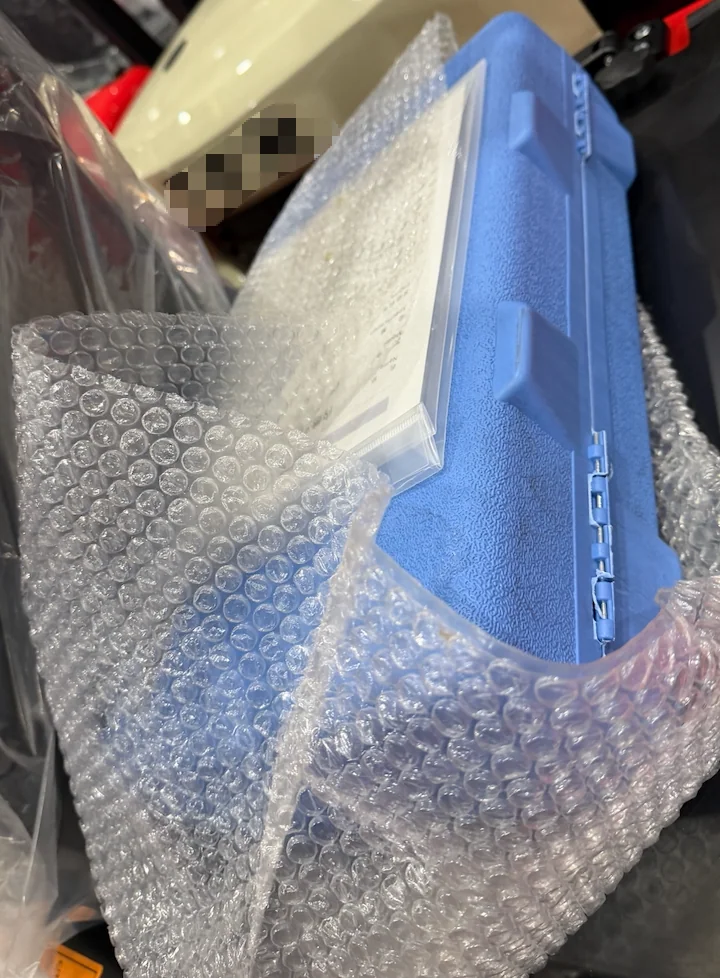
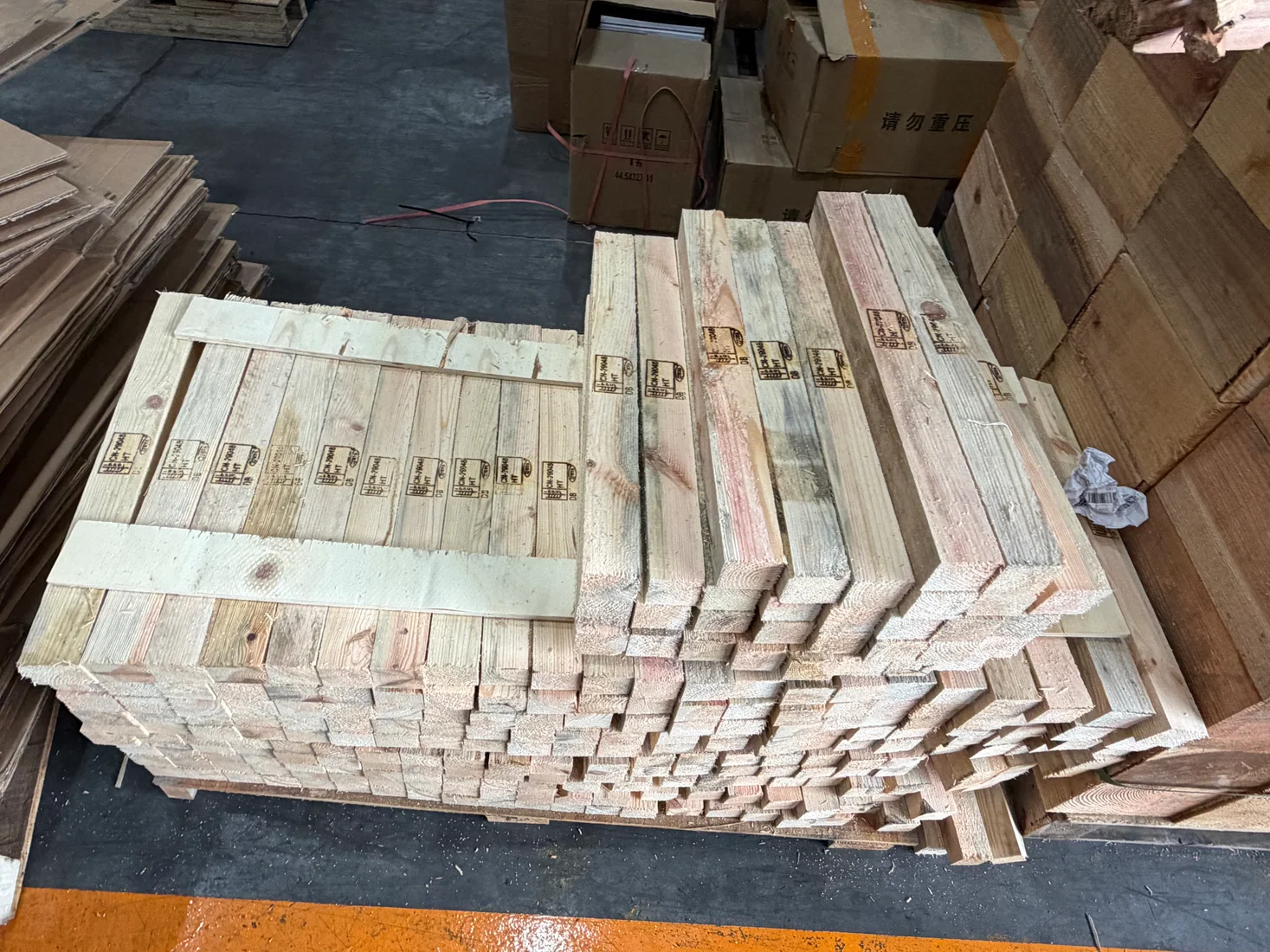
Checks before commercial approval
Technical configuration, export scope and lifecycle responsibilities must be internally consistent before approval.RequirementApplication, load, lift, environment, duty, space and attachment.
ConfigurationTruck, mast, forks, tyres, power, battery/charger or engine, options and attachments.
Export scopeIncoterm, destination, documents, packing, inspection and shipment responsibilities.
LifecycleWarranty contact, response process, manuals, initial spares and replacement-parts identification.
Complete the forklift order specification
Prepare the requirement, close gaps and define inspection.Prepare the technical requirementDefine the load, lift, site, duty and destination before requesting a final quotation.Compare powertrain directionConfirm whether electric, diesel or LPG fits the application.Define pre-shipment verificationTurn the approved order into traceable inspection evidence.Clarify warranty and supportAgree the post-sale communication and evidence process before purchase.