
Electric vs IC forklift: which fits your operation?
Operating conditions and infrastructure come first. Electric forklifts usually fit indoor, emission-sensitive and frequent stop-start work when charging is practical. Internal-combustion forklifts remain practical for many outdoor, long-duty and fast-refuelling operations, and their lower initial purchase price can matter in price-sensitive markets. Final economics depend on utilisation, local electricity and fuel prices, battery configuration, maintenance capability and the required truck specification.
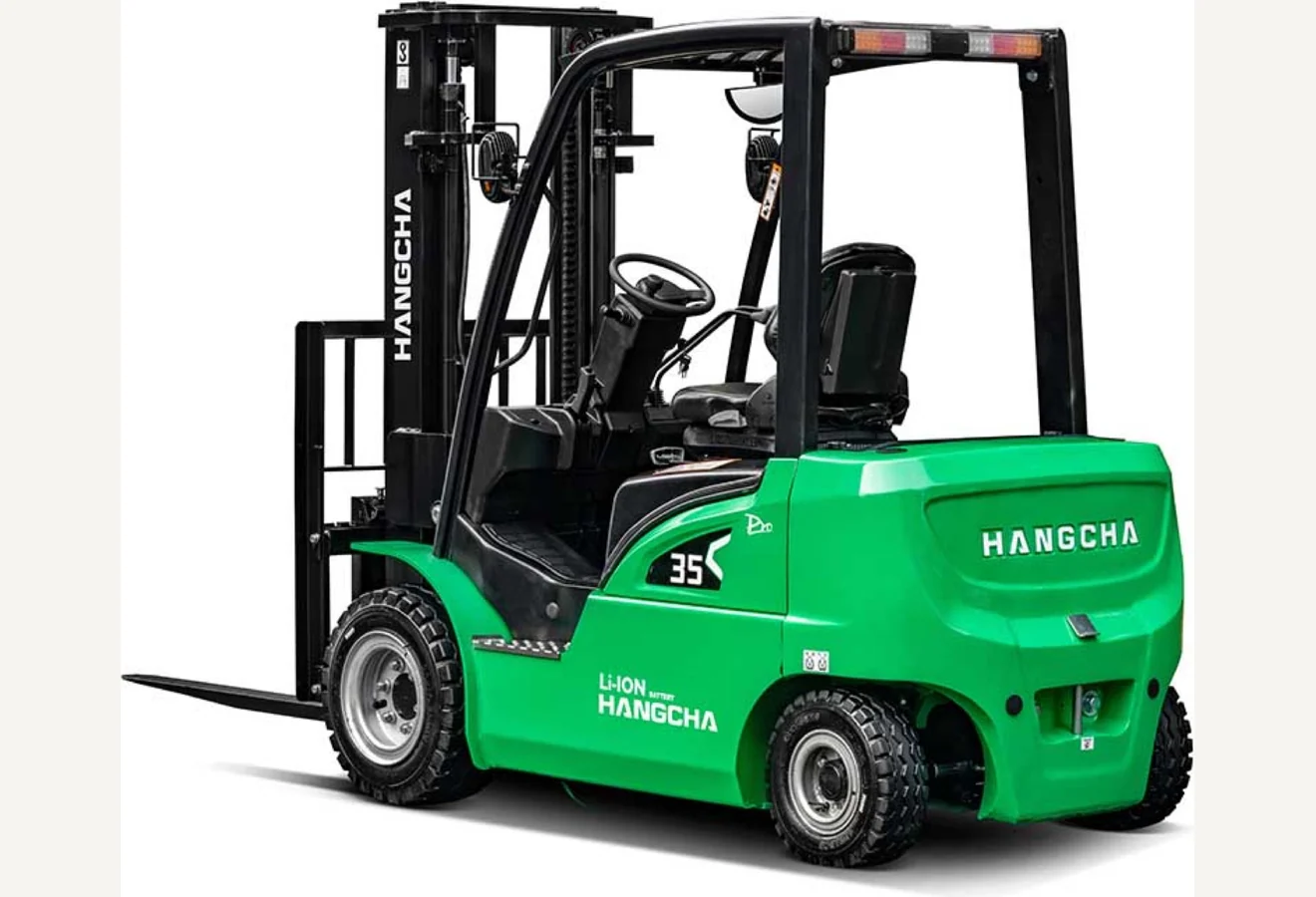
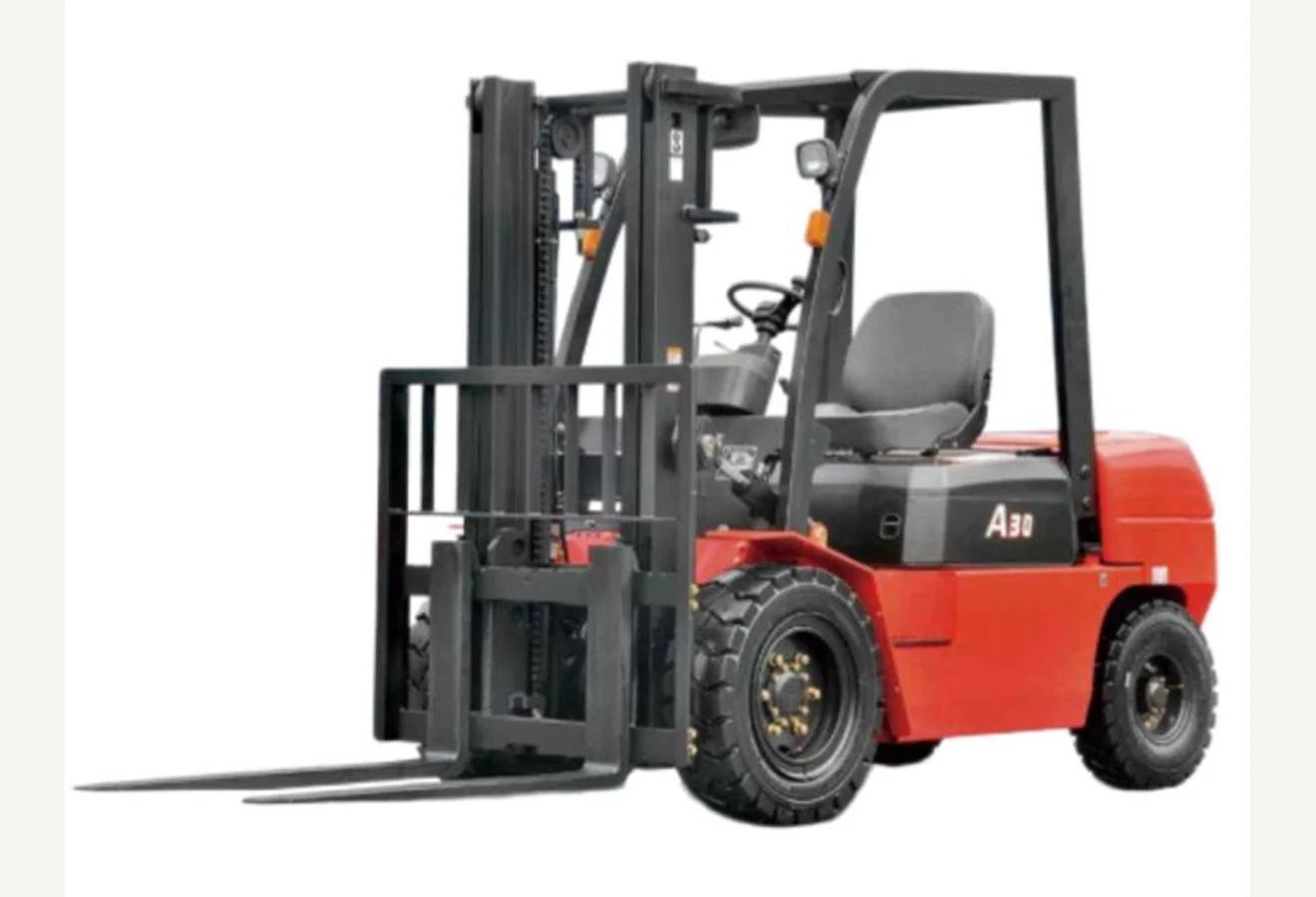
Where electric is stronger—and where IC remains practical
Choose a powertrain direction that fits the operation and purchase scope.
The correct choice may be electric, diesel or LPG, depending on the work and the available energy infrastructure.
Choose by operating conditions, not fuel preference
Choose electric when emissions, indoor air quality, noise, frequent stop-start work and practical charging matter. Choose IC when outdoor work, long continuous duty, rapid refuelling, rougher conditions, limited charging infrastructure or lower initial capital cost dominate. Then test the direction against the load, mast, attachment, local energy prices and maintenance capability.
Powertrain decision matrix
Choose a powertrain direction that fits the operation and purchase scope.
| Decision factor | Electric forklift | IC forklift | What must be confirmed |
|---|---|---|---|
| Operating area | Strong fit for indoor and emission-sensitive work | Common for outdoor yards and ventilated areas | Indoor/outdoor split, local emission limits |
| Energy | Charging time and electrical supply affect availability | Diesel or LPG refuelling supports rapid return to work | Shift pattern, fuel/charging access |
| IC fuel type | Not applicable | Diesel and LPG are separate configurations with different fuel storage, emissions, engine options and local-support requirements | Fuel availability, storage rules, emissions and service capability |
| Initial purchase price | Often higher when the battery, charger and electrical installation are included | Often lower in commonly compared capacity classes and configurations | Compare like-for-like truck, mast, tyre and attachment scope |
| Duty cycle | Good when charging can be planned around the work | Practical for long running periods with refuelling access | Hours per shift, multi-shift demand |
| Operating economics | Can reduce energy and routine engine-service costs when utilisation and charging conditions suit the application | Depends heavily on fuel cost, engine maintenance and utilisation, but can remain commercially practical | Local energy prices, annual hours, battery system, maintenance and downtime |
| Surface | Best on suitable floors; outdoor capability depends on design | Often configured for yards and rougher paved surfaces | Ground clearance, tyres, ramps, rain |
| Maintenance | Fewer engine service items; battery and charger management matter | Engine, fuel, cooling and exhaust service matter | Local service skill and parts plan |
| Attachments | Hydraulics and residual capacity still require review | Same requirement; duty may change hydraulic demand | Attachment weight, ET, functions, load chart |
Operating facts that can change the answer
Map the actual route, work schedule and energy supply before comparing purchase or running cost.
Application boundary
State the percentage of indoor, outdoor and mixed work. A truck described only as “warehouse” may still travel outside.
Load and mast
Provide maximum load, actual load centre and lift height. Powertrain choice does not remove the need for a capacity check.
Working pattern
Record hours per shift, breaks, travel distance, idle time and multi-shift use.
Energy access
Confirm charger input voltage/frequency and charging window, or fuel type and refuelling conditions.
Surface and weather
Describe floor, yard, ramps, water, dust and temperature. These inputs change tyres, protection and truck design.
Attachment demand
List the attachment, hydraulic functions and cycle intensity so the powertrain and residual capacity can be reviewed together.
Use the operating condition as the tie-breaker
The final recommendation can change when the load, route, duty or site constraints change.
Choose electric when…
The work is mainly indoors, emissions and noise matter, charging can be planned and the required truck configuration supports the floor, load and shift pattern.
Choose IC when…
The work is mainly outdoors, rapid refuelling and sustained duty matter, and the site can accommodate fuel storage, ventilation, noise and maintenance.
Review further when…
The operation is mixed, high-lift, attachment-intensive, cold, wet, dusty or multi-shift, or when charging/fuel infrastructure is uncertain.
Commercial and market reality can change the direction
Application suitability remains the first gate, but cash flow, local infrastructure and established buying behaviour also influence the final order.
| Commercial factor | Electric direction | IC direction | Buyer check |
|---|---|---|---|
| Up-front capital | Battery, charger and electrical work can increase the initial project cost | Purchase price is often lower in comparable common classes | Compare the complete delivered configuration, not the bare truck |
| Energy infrastructure | Requires suitable grid capacity, charger input and charging windows | Uses familiar diesel or LPG supply and refuelling arrangements | Availability, storage, safety rules and daily operating schedule |
| Long-term cost | Can be lower where utilisation, electricity economics and battery duty are favourable | Depends on fuel, engine service and operating intensity | Use local prices and realistic annual hours; do not assume a universal winner |
| Market preference | Stronger where indoor air, emissions, noise or lifecycle cost drive procurement | Can remain strong in price-sensitive outdoor markets, including parts of Africa and Southeast Asia | Regional examples describe market conditions, not every buyer |
Electric and IC equipment in real context
Each image has a defined buyer purpose. Captions state what the image does—and does not—verify.
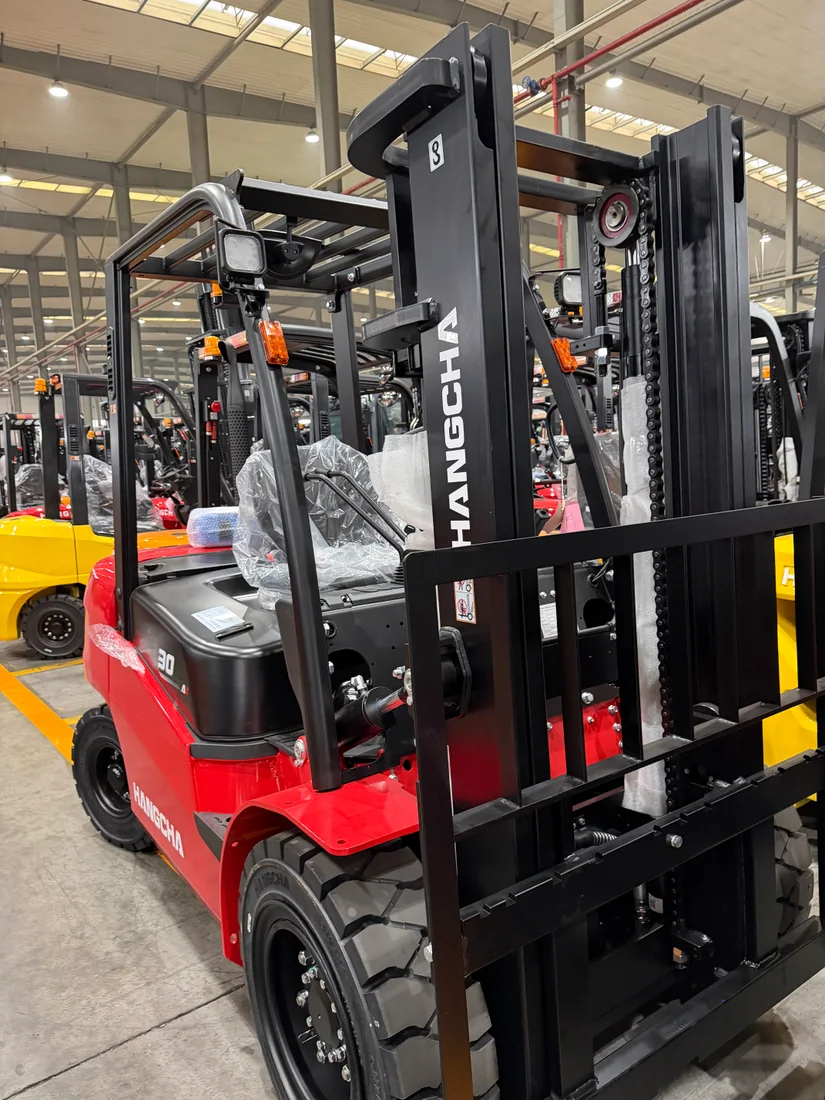
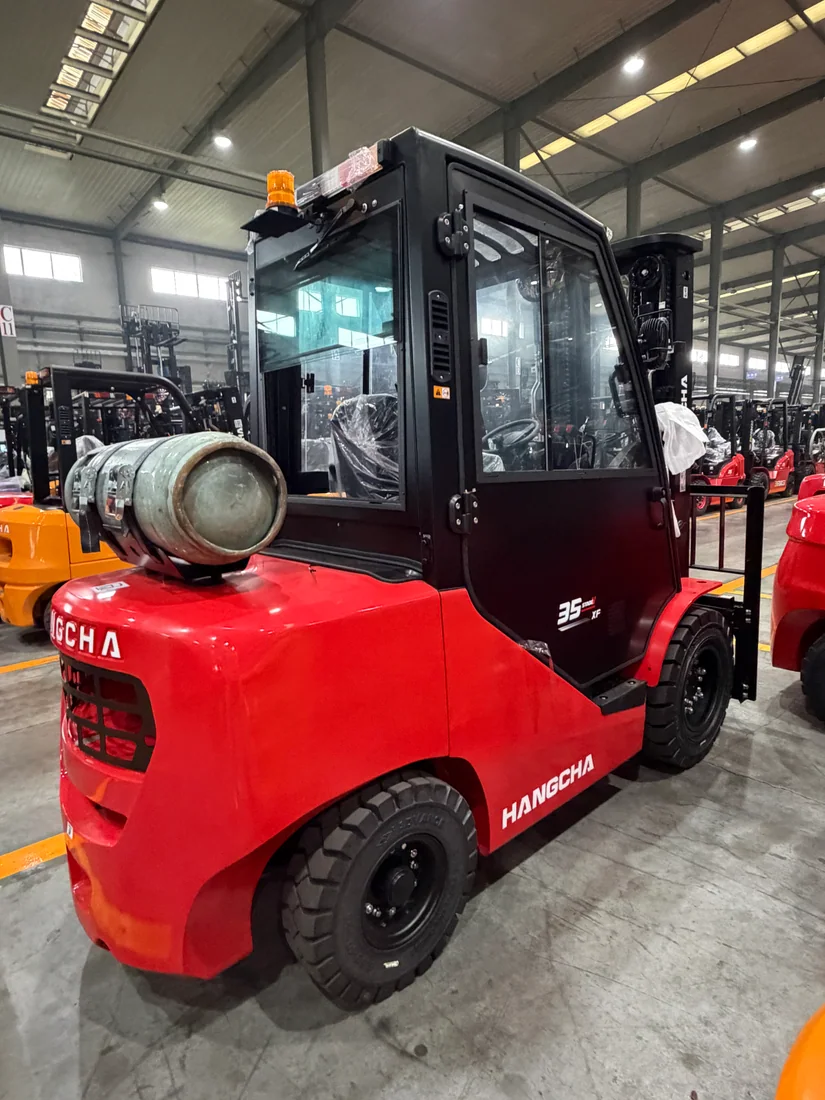
Watch both powertrains at work
These two landscape videos come from the ForkFocus official YouTube channel. They let buyers compare operating character, sound and working context. They are representative demonstrations—not a controlled test of equal-capacity trucks—so rated performance must still be checked in the technical specification.
Checks before the powertrain is specified
A viable powertrain must still support the required load, mast, attachment and lifecycle plan.
Continue from powertrain to configuration
Use the Forklift Selector, then prepare quotation inputs.
Questions before choosing the powertrain
Practical guidance for procurement and equipment teams.
Is an electric forklift always cheaper to operate?
Not automatically. Energy price, charging infrastructure, battery life, shift pattern, maintenance, utilisation and local service conditions all affect lifecycle cost.
Can an electric forklift work outdoors?
Some configurations can, but outdoor use must be checked against ground clearance, tyres, weather protection, gradients, duty and manufacturer limitations.
Should multi-shift work always use IC?
No. Multi-shift electric operation may be practical with sufficient battery capacity, opportunity charging, battery exchange or suitable high-voltage systems. The operating schedule must be reviewed.
Does the powertrain change residual capacity?
The applicable truck and mast load chart controls capacity. An attachment still adds weight and moves the load forward regardless of powertrain.
Compare the application before choosing a powertrain
Send the load, lift, site, duty and energy conditions for a configuration review.