
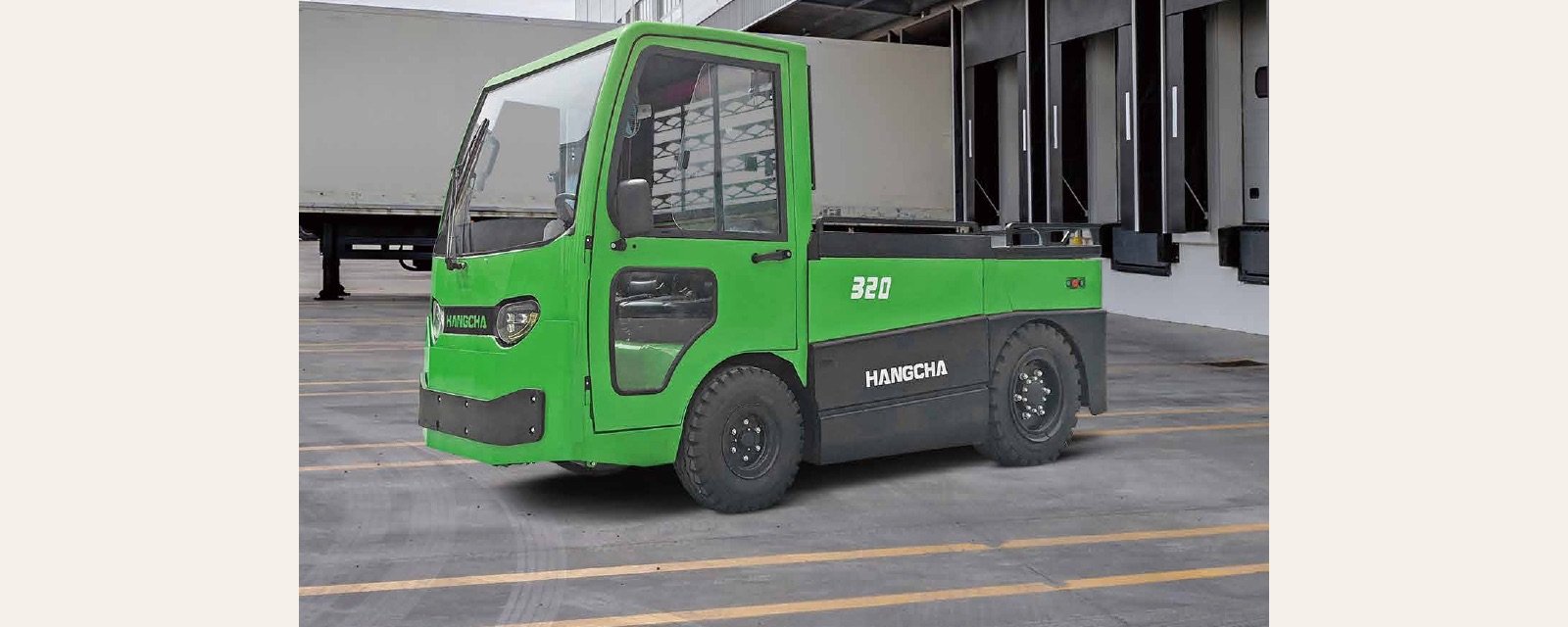
Class 6 Tow Tractors for Airport and Industrial Logistics
Tow tractors move multiple trailers over repeat routes in factories, airports, assembly plants and large logistics sites. Selection begins with towing capacity, drawbar pull, route gradient, stopping distance and coupling geometry—not only the tonne figure.
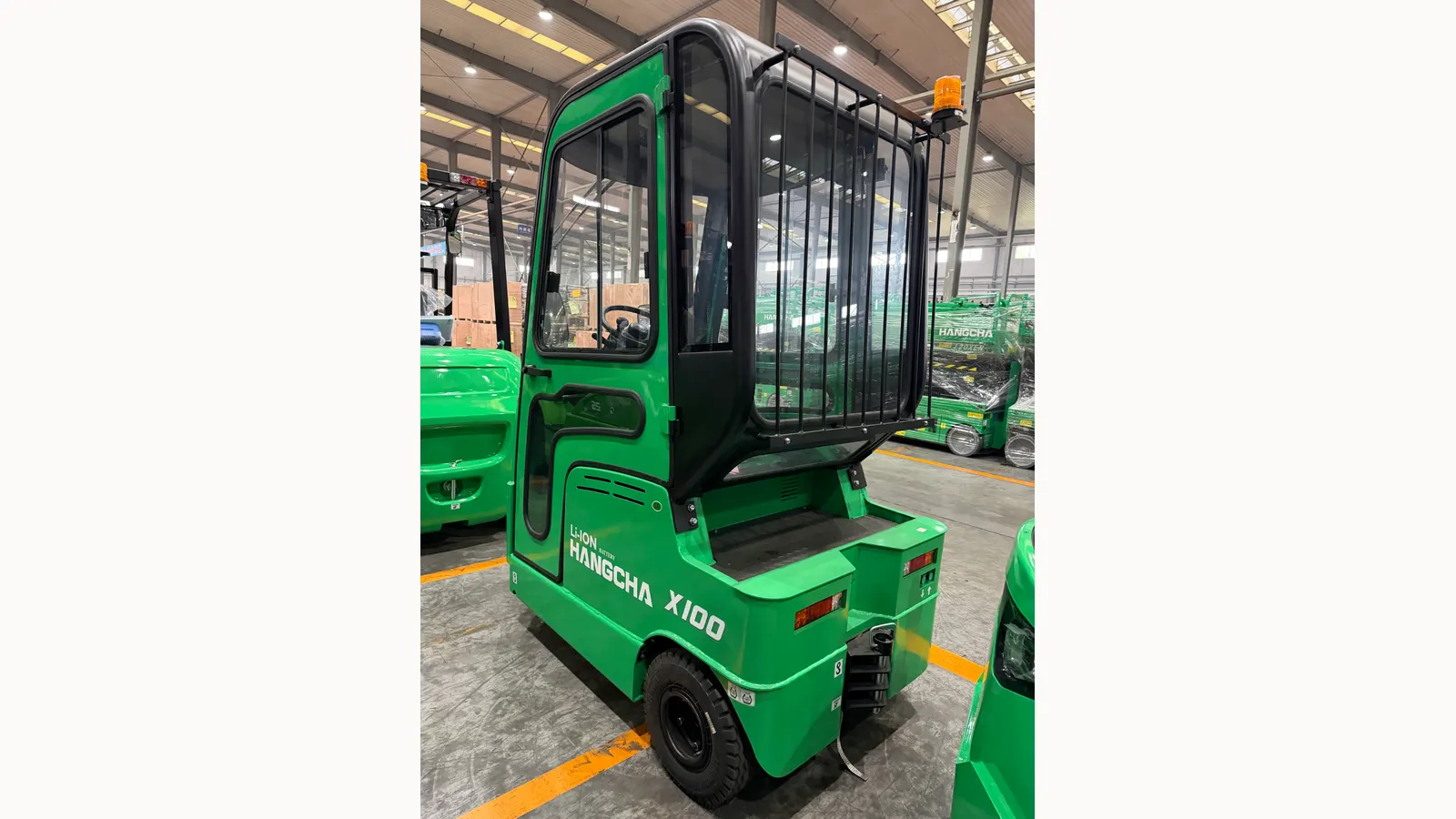
Electric Tow Tractors
0.5–90.0 t platforms for indoor logistics, assembly-line milk runs and higher-capacity terminal routes.
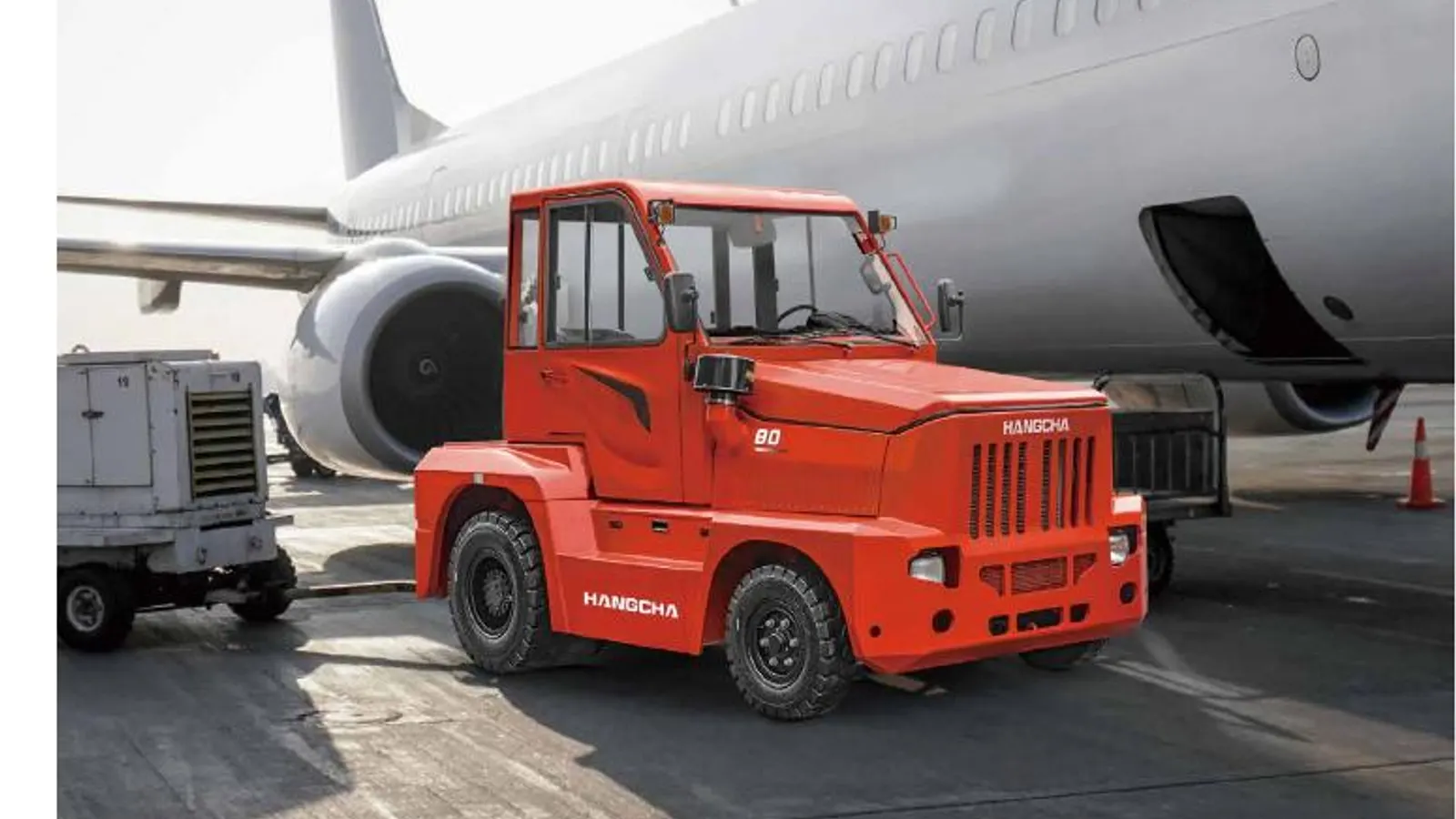
IC Tow Tractors
2.0–8.0 t platforms for longer outdoor routes, fast refuelling and demanding airport or terminal duty.
Airport towing is a route-engineering task
Airport tow tractors work through repeated coupling, acceleration, braking and turning cycles. Trailer count, total towed load, route gradient, drawbar height and stopping distance are more important than one nominal towing figure.
Cab visibility, coupling access, wet-weather braking, service access and spare-parts planning also affect daily fleet availability. Electric units suit controlled charging schedules; diesel units remain practical for longer outdoor routes and fast refuelling.
Load train
Total trailer weight, count and coupling geometry.
Route
Gradient, turning radius, surface and stopping zones.
Shift
Travel distance, cycle frequency and charging or refuelling window.
Relevant project experience
ForkFocus has supported an overseas airport project involving eight diesel tow tractors.
The useful lesson is that airport orders are not completed by selecting towing capacity alone. Coupling, route, braking, documents, spare parts and delivery planning must be confirmed as one project.
Electric or IC: the practical dividing line
| Electric tow tractors | Controlled charging, indoor or mixed routes, frequent starts, low noise and scheduled fleet cycles. |
|---|---|
| IC tow tractors | Long outdoor travel, short refuelling windows, sustained engine duty and sites where charging infrastructure is limited. |
| Both platforms require | Verified drawbar pull, trailer brakes, coupling height, stopping distance, surface condition and route gradient. |
X Series electric tow tractor in operation
The working video shows vehicle scale, operator position and route behaviour more clearly than a static specification table.
ForkFocus still confirms the complete trailer train and route before recommending a model.
Why Hangcha
Hangcha covers compact line-side tractors, airport-duty equipment and high-voltage heavy towing on separate platforms.
This range lets traction power, braking, operator position, battery or engine package and coupling arrangement follow the real route instead of one nominal towing figure.
Why ForkFocus
ForkFocus integrates forklifts, spare parts and Forklift Attachments into unified material handling solutions.
Our forklift team checks the trailer train, route, shift, coupling and stopping requirement, then coordinates inspection and after-sales support with shipment planning.
Frequently asked questions
What information is needed for tow-tractor selection?
Towed load, trailer count, drawbar height, coupling type, gradient, route length, surface, stopping requirement and shift pattern.
When is electric preferred?
Electric tow tractors suit repeat indoor routes, frequent starts and operations that value low noise and scheduled charging.
When is an IC tow tractor more practical?
Long outdoor routes, fast refuelling and high continuous travel demand can justify an IC platform.
Send the route and trailer details
Share total towed load, trailer count, route length, maximum gradient, surface, coupling height, indoor or outdoor use and daily shift pattern. Our forklift team will return a working configuration, not only a model list.