
Forklift spare parts package for new forklift orders
ForkFocus does not use one universal spare-parts package for every forklift. The exact truck model, serial and configuration define the recommendation, while expected operating hours and the model-specific wear-parts list determine preventive-maintenance items, high-wear parts and critical downtime stock. The package is normally quoted separately and decided order by order.
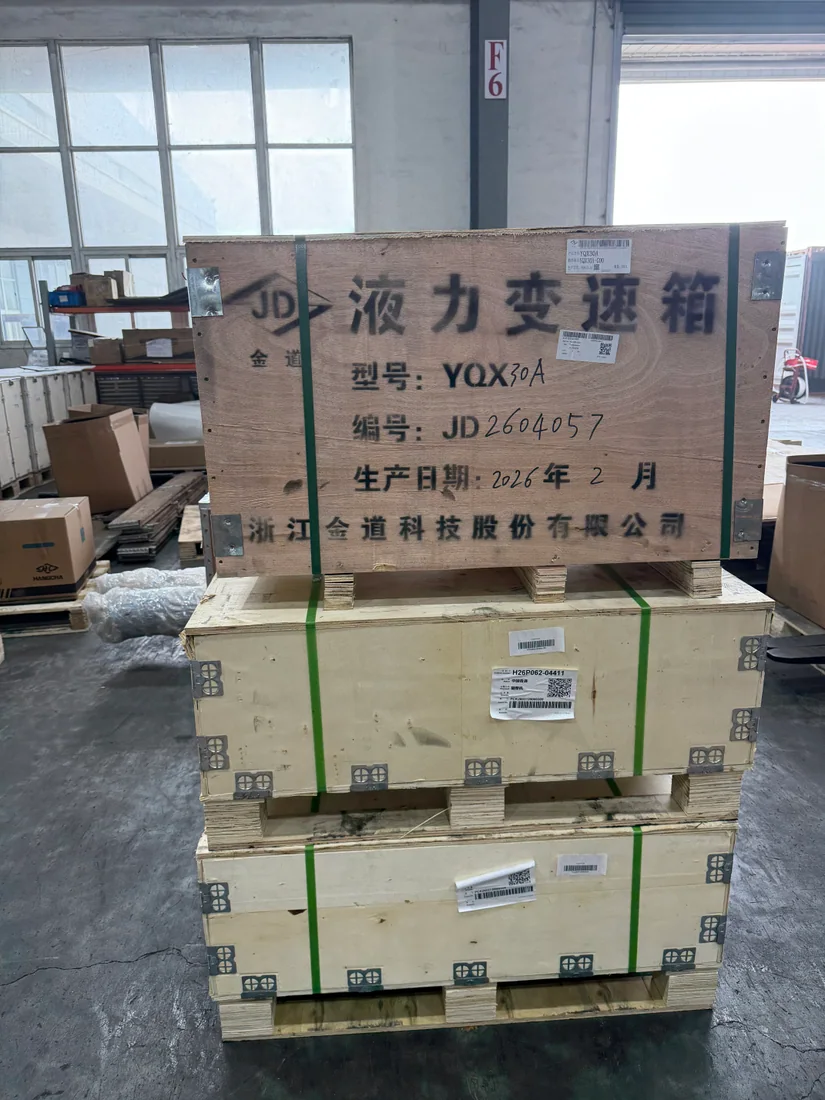
Parts stock depends on the exact truck and expected hours
ForkFocus uses model-specific wear-parts information and the expected workload instead of applying one universal package.
Build the parts plan around the supplied truck, expected hours and local downtime exposure.
Plan stock around the exact truck and downtime risk
Provide the model, serial or confirmed configuration and expected annual operating hours. ForkFocus can then use the model-specific wear-parts list to separate preventive-maintenance parts, high-wear items and critical downtime stock, subject to local availability and service capability. The resulting package is quoted separately for the individual order.
Build the package by service and downtime role
Define initial parts support without overbuying or receiving mismatched parts.
| Parts group | Purpose | Typical evidence | Stocking action |
|---|---|---|---|
| Preventive-maintenance items | Support scheduled service from commissioning onward | Model-specific wear-parts list, applicable manual and expected operating hours | Set quantity by the planned service period and local supply time |
| Filters and routine service parts | Support engine, hydraulic and air-system maintenance where applicable | Verified engine oil, fuel, air and hydraulic filter references for the exact configuration | Use only the categories and quantities required by the actual truck |
| Wear items | Address tyres, brakes, forks/rollers or application wear as relevant | Inspection and duty history or supplier recommendation | Stock based on duty and lead time |
| Critical downtime items | Reduce exposure to a small high-consequence failure | Failure consequence, local availability and verified fitment | Hold only where business case supports it |
| Attachment items | Support hoses, seals, pads or wear parts for the supplied attachment | Attachment model, drawing and parts list | Keep separate identity and interface records |
| Documentation and labels | Enable future identification | Model, serial, part number, photo and manual reference | Create a controlled parts register |
Evidence required before a part is added
Every line item needs a reason to stock it and evidence that it fits the supplied configuration.
Exact truck identity
Record model, serial, engine or battery system, mast and options. Similar-looking parts can differ.
Duty and environment
Annual hours, dust, cold, heat, corrosive work, long travel and attachment cycles change consumption.
Service plan
Use actual intervals and required fluids/filters from the applicable documentation.
Local availability
A low-cost part with long import lead time may deserve stock; an easily sourced part may not.
Downtime consequence
Prioritise items whose failure stops the operation, subject to verified failure mode and fitment.
Controlled packing list
List part number, description, quantity and verified truck fitment. Add packing references only when they are included in the order evidence.
Include, verify or omit
The final recommendation can change when the load, route, duty or site constraints change.
Include now when…
The item is required for first service, has long lead time, is application-specific or has a justified downtime consequence.
Confirm before including when…
The exact part number, engine/battery variant, mast, attachment or service interval is not yet verified.
Do not bulk-buy when…
The package is based only on “common parts” without fitment, consumption or local-availability evidence.
The right package changes with the buyer
There is no universal spare-parts carton. The stock decision changes with fleet size, service capability, supplier lead time and the consequence of one truck stopping.
Single-truck owner
Prioritise commissioning items, the first planned services and a small number of verified stop-the-truck parts when local supply is slow. Avoid capital tied up in broad speculative stock.
Fleet operator
Use commonality across the verified fleet, annual hours, service intervals and failure history to pool stock. Separate shared consumables from model-specific electrical, mast and attachment parts.
Distributor or service partner
Plan broader availability only where the installed population, technician capability and replenishment lead time justify it. Keep serial-level fitment and supersession records.
From truck identity to a practical local-stock recommendation
The recommendation uses real workload and fitment evidence; it does not begin with a pre-packed universal carton.
Truck model, serial and configuration
Confirm engine or battery system, mast, axle, controller, attachment and other fitment-changing options.
Expected annual operating hours
Record shifts, travel, hydraulic cycles, dust, heat, cold and wet work so consumption is not guessed.
Model-specific wear-parts list
Use the applicable list and documentation for the supplied truck rather than a generic cross-model package.
Preventive-maintenance parts
Plan filters and scheduled service items for the intended stock period.
High-wear parts
Consider seals, brake service parts, hoses and other wear items only where the configuration and duty justify them.
Critical downtime parts
Review fuses, relays, lamps, sensors, switches or other stop-the-truck risks against local availability and verified fitment.
Recommended local stock
Balance replenishment lead time, fleet size, technician capability, storage and downtime consequence.
Separate parts quotation
The proposed package is normally quoted separately and confirmed order by order.
Real parts packing and fitment evidence
Each image has a defined buyer purpose. Captions state what the image does—and does not—verify.
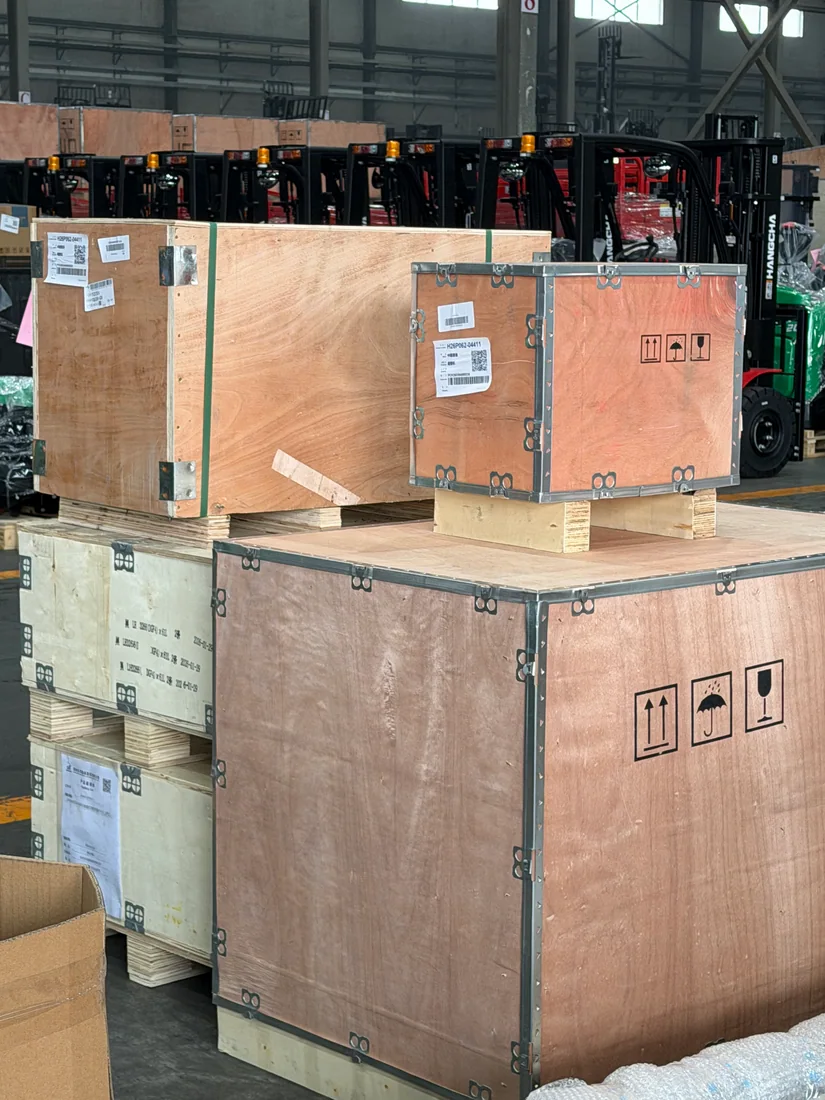
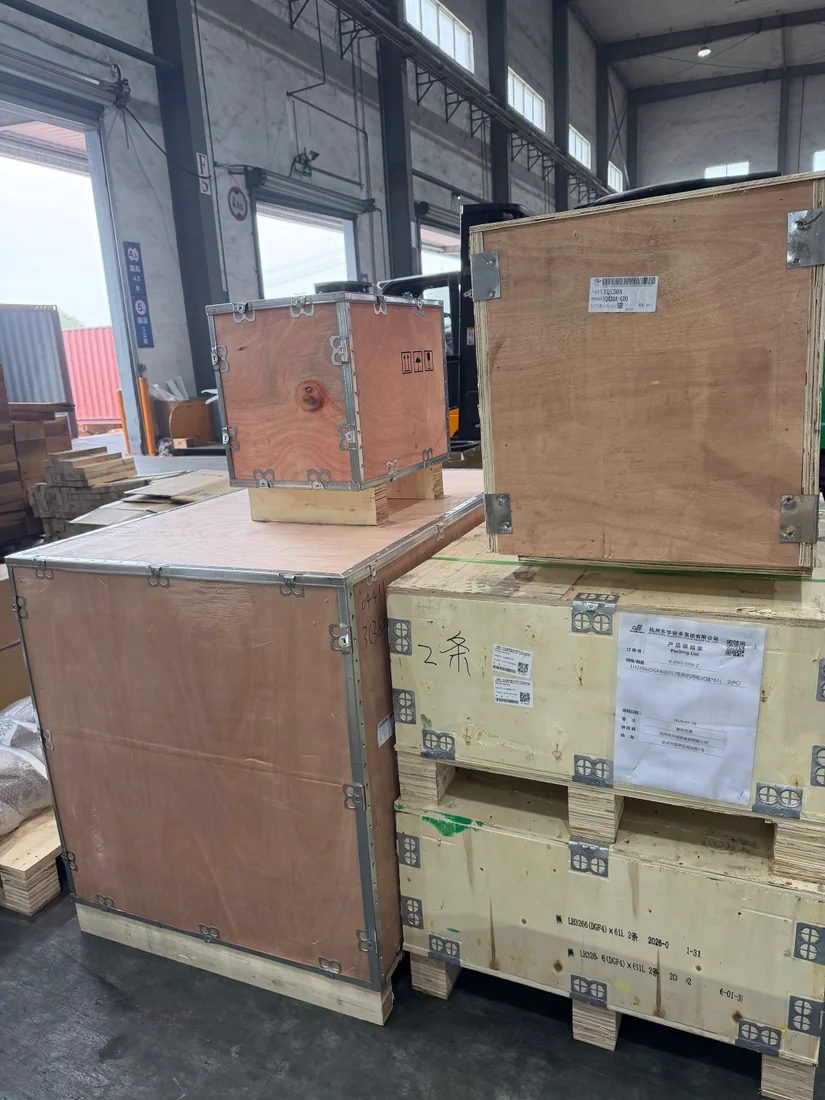
Checks before confirming the parts list
Future identification must be possible even when the original salesperson is unavailable.
Connect parts planning to inspection and support
Confirm truck identity, duty and local parts lead time.
Questions about first-service and downtime parts
Practical guidance for procurement and equipment teams.
How many filters should I order with a new forklift?
Use the exact model-specific wear-parts list, applicable service intervals, expected annual hours and local replenishment time. ForkFocus does not apply one fixed filter quantity to every truck.
Are spare parts covered by forklift warranty?
Consumables, wear items, purchased spare parts and warranty replacements are different categories. Confirm written terms and the failure-review process.
What information prevents a wrong part?
Provide truck model, serial number, configuration, part number when available, old-part photos, dimensions and connector/interface details.
Should an attachment have its own parts package?
When justified, yes. Use the exact attachment identity, hydraulic functions, wear parts and lead time rather than assuming truck parts cover the attachment.
Build a traceable parts package—not a generic box
Send the truck model or serial, configuration, expected hours, environment and local lead-time constraints. ForkFocus can prepare a model-specific stock recommendation and separate spare-parts quotation for the order.