

A shipping decision should begin with the cargo and the delivery risk—not only the freight rate. Forklifts, forklift attachments and forklift parts have very different packing sizes, handling risks and timing requirements. ForkFocus helps overseas buyers compare practical shipping options from China so the order can arrive safely, completely and at a controlled total landed cost.
Flexible Shipping for Forklifts, Attachments and Parts from China
Product selection is only one part of a successful import purchase. Freight cost, packing method, port charges, customs route, delivery timing and cargo protection can change the final result. Our logistics role is to match the shipping method to the product, not force every order into the same route.
02Compare options
03Choose LCL or FCL
04Use air or express
05Control packing risk
06Review DDP carefully
07Consolidate orders
08Prepare enquiry
Step 1: Define the Cargo Before Choosing a Shipping Method
The right route depends on what is being shipped. A complete forklift, a hydraulic attachment and a box of spare parts cannot be judged by the same freight rule.
Complete forklifts
Usually ship by sea. We check model, mast height, cabin or overhead guard, battery or engine details, loading method and whether special securing is needed.
Forklift attachments
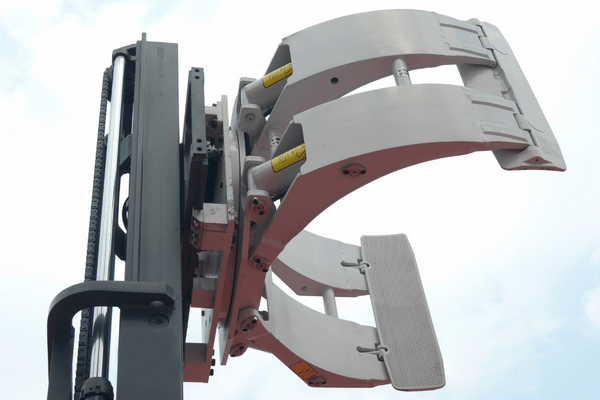
Usually ship by LCL or FCL sea freight. We check packed dimensions, weight, hydraulic parts, vulnerable edges and whether wooden packing is needed.
Forklift parts
Small urgent parts may go by express or air. Heavy, mixed or non-urgent parts can often be consolidated by sea to reduce repeated freight cost.
Step 2: Compare Shipping Options by Total Landed Cost
When ocean freight rises or fluctuates, logistics can become a larger part of the total purchase cost. A low product price can lose its advantage if packing size, route choice, destination charges or repeated shipments are not reviewed early.
Step 3: Choose LCL or FCL for Heavy and Bulky Cargo
LCL and FCL are the main options for forklifts and most attachments. The better choice depends on quantity, packed volume, cargo value, handling exposure, delivery timing and destination charges.
| Option | Best for | Main advantage | Watch carefully |
|---|---|---|---|
| LCL shipment | One attachment, several pallets, small mixed order | No need to fill a full container | More handling, destination charges and consolidation timing |
| FCL shipment | Multiple forklifts, larger attachment orders, mixed forklift + parts order | More control over loading and less cargo mixing | Container utilization and shipment schedule |
| Mixed planning | Forklift plus attachments or parts ordered together | Can reduce repeated freight and documentation work | Production readiness and packing sequence |
Step 4: Use Air Freight or Express Only When It Makes Sense
Air freight and express are mainly useful for urgent forklift parts. They are usually not practical for complete forklifts or heavy forklift attachments because size and weight can make the cost unreasonable.
Express courier
Useful for compact, urgent parts when downtime cost is high and the package can move through courier networks.
Air freight
May suit urgent parts that are too large for courier but still time-sensitive. Weight, dimensions and destination handling must be checked first.

Step 5: Control Packing Risk Before Shipment
Good shipping is not only route selection. Packing affects damage risk, loading efficiency, chargeable size and the customer’s receiving experience.
Size
Confirm packed length, width, height and gross weight before comparing freight.
Protection
Protect hydraulic hoses, cylinders, fork pockets, mounting faces and painted surfaces.
Handling
Check lifting points, pallet base, center of gravity and whether forklift loading is available.
Documents
Keep product, quantity, packing and shipping documents consistent to reduce clearance questions.
Step 6: Review DDP or Door Delivery Carefully
For some destinations and order types, ForkFocus can review whether DDP or a door-delivery route is available. DDP should never be promised before checking product category, destination, cargo value, local requirements and service coverage.
When it helps
DDP may reduce customer workload when the route is available and the cargo profile fits the service.
When to be careful
Large machines, special attachments, batteries or unusual cargo may require a more detailed import review.
What we check
Destination, item description, cargo value, packed size, gross weight, local delivery address and required delivery timing.
Step 7: Consolidate Forklifts, Attachments and Parts When Possible
Many customers buy more than one item from China: a forklift, a paper roll clamp, forks, wear parts or maintenance parts. If production timing allows, consolidation can reduce repeated shipping cost and simplify communication.
How ForkFocus Plans a Consolidated Shipment
Solution CheckingEvaluate cargo and delivery needs
We confirm products, quantities, destination and urgency so the shipping route starts from the real purchase requirement.
Ready dateAlign production timing
We check whether forklifts, attachments and parts can be ready for one shipment.
PackingReview packed size
We estimate volume, gross weight and loading sequence.
RouteCompare LCL and FCL
We compare whether shared container, full container or split shipment is more practical.
DocumentsCoordinate paperwork
We keep product, packing and shipping information consistent.
DeliveryFollow shipment handover
We help the customer understand the delivery route and receiving requirements.
Step 8: Prepare 1 Complete Shipping Enquiry
A complete shipping enquiry lets ForkFocus compare routes faster and avoid repeated clarification. The goal is not only to quote a freight number, but to recommend a route that matches cargo safety, total cost and timing.
Forklift model, attachment type, parts list, quantity and whether items ship together.
Destination port or full delivery address if door delivery or DDP needs review.
Required delivery time, urgency level and whether partial shipment is acceptable.
Packed dimensions, gross weight and photos if available.
FOB, CIF, CFR, DAP, DDP or other trade term preference if already known.
Fragile surfaces, hydraulic parts, batteries, customs concerns or special unloading needs.
In Conclusion
A good shipping plan protects more than freight cost. It protects product condition, delivery timing, import clarity and the customer’s confidence in the whole purchase.
What customers gain
- Clearer route choice: LCL, FCL, air, express or possible DDP are compared by real cargo data.
- Lower waste: avoid repeated small shipments when consolidation is practical.
- Less damage risk: packing and loading details are considered before departure.
What ForkFocus checks
- Cargo type: forklift, attachment, parts or mixed order.
- Packing size: dimensions, gross weight and handling points.
- Delivery route: port, address, timing and whether DDP can be reviewed.
Why it matters now
- Freight impact: shipping can be a major part of landed cost when rates fluctuate.
- Procurement control: product, packing and delivery planning should be reviewed together.
- Better trust: the customer sees a complete solution, not only a product quotation.
If you are purchasing forklifts, attachments or spare parts from China, send ForkFocus the cargo list, destination, timing requirement and any preferred trade term. We will review the shipping plan together with the product order so the goods can be prepared, packed and delivered more safely.