
Bale Handling with a Forklift and Bale Clamp
A bale clamp must match the bale material, density, wrapping, friction, weight and full dimensional range. Those inputs determine arm and pad contact, opening range and clamp-force control. The truck decision follows the indoor or outdoor route, fire and debris conditions, lift height, duty cycle, power strategy, tyres, hydraulics and attachment-adjusted capacity.
A verified bale clamp can handle suitable compressible loads without pallets. Indoor clean duty may favour an electric counterbalance forklift, while ventilated mixed routes may justify an IC forklift after the site review.
This ForkFocus video shows a bale clamp carrying multiple compressed bales. It makes arm contact and palletless load movement visible; bale material, wrapping, permitted compression, opening range, clamp force and truck capacity still require project-specific verification.
Classify the bale before defining contact pressure
Bales with similar nominal weight can differ in density, dimensions, wrapping, friction and deformation risk, changing the clamp contact, hydraulic requirement, truck capacity and stacking method.
Bale identity
Material, density, wrapping, bands, moisture, contamination and permissible compression.
Size range
Minimum and maximum width, height, depth and weight; single or multiple-bale pickup.
Clamp contact
Opening range, arm profile, pad surface, pressure distribution and retention margin.
Route and storage
Stack pattern, lift height, visibility, aisle, door, floor, debris and fire-control conditions.
Hydraulics and duty
Pressure changes force; flow changes movement speed. Confirm cycles, valves, hoses and branch regulation.
Working capacity
Check attachment mass and forward offset against the exact truck chart at the real lift point.
Connect bale behaviour to the complete handling package
Material, wrapping and density determine the contact method. Opening range, route, hydraulics and shift duty then determine the attachment and truck package.
Bale family
Separate cotton, paper, textile, recycling and other materials by density and wrapping.
Contact window
Define permissible compression, pad surface and minimum-to-maximum opening range.
Pickup cycle
Record single or multiple-bale pickup, stack pattern, turns and release sequence.
Truck environment
Check aisle, floor, debris, fire controls, power, tyres and lift height.
Hydraulic control
Verify pressure for force, flow for speed, valve functions and branch regulation.
Capacity and care
Confirm the exact working point and configuration-specific pad, hose and cleaning plan.
Retention, deformation and cycle speed must balance
A pad or pressure change that improves grip on one bale can mark, loosen or deform another material and can also change attachment weight and service demand.
High friction pads
Can support retention but require condition monitoring and may interact differently with film, bands or exposed fibres.
Wide opening range
Covers more bale sizes but can add frame width, weight and forward geometry.
Electric indoor route
Reduces local exhaust, but charging windows, debris protection and battery duty still control availability.
Bale-clamp assumptions that create handling failures
- Treating all compressed bales as one material
- Using package appearance to estimate permissible clamp force
- Omitting the smallest bale from the required opening range
- Leaving pad wear and debris cleaning out of the service plan
Equipment routes for verified compressible bales
The clamp route depends on allowable compression and full size range; the electric route remains conditional on floor, debris, charging and auxiliary hydraulics.
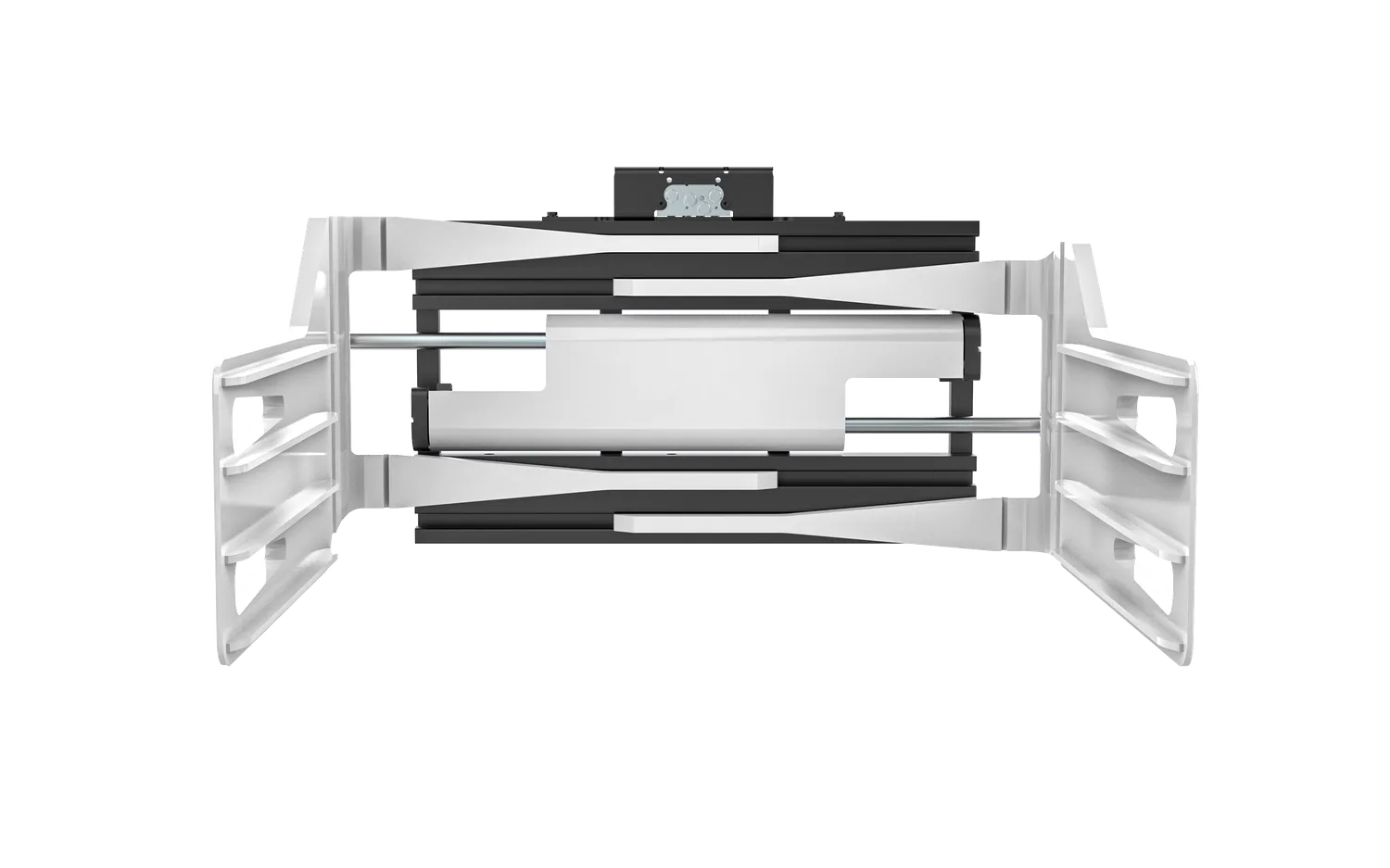
Bale and soft-pack clamp
Why this direction may fit: May fit compressible bales when the arms cover the load face and verified pressure control retains the bale without unacceptable deformation.
Choose another route when: Select another interface when bands, wrapping, loose material or allowable compression make side clamping unsuitable.
Check before quotation: Bale material, size range, wrapping, contact face, clamp data, pressure, flow and carriage.
View Bale and soft-pack clamp
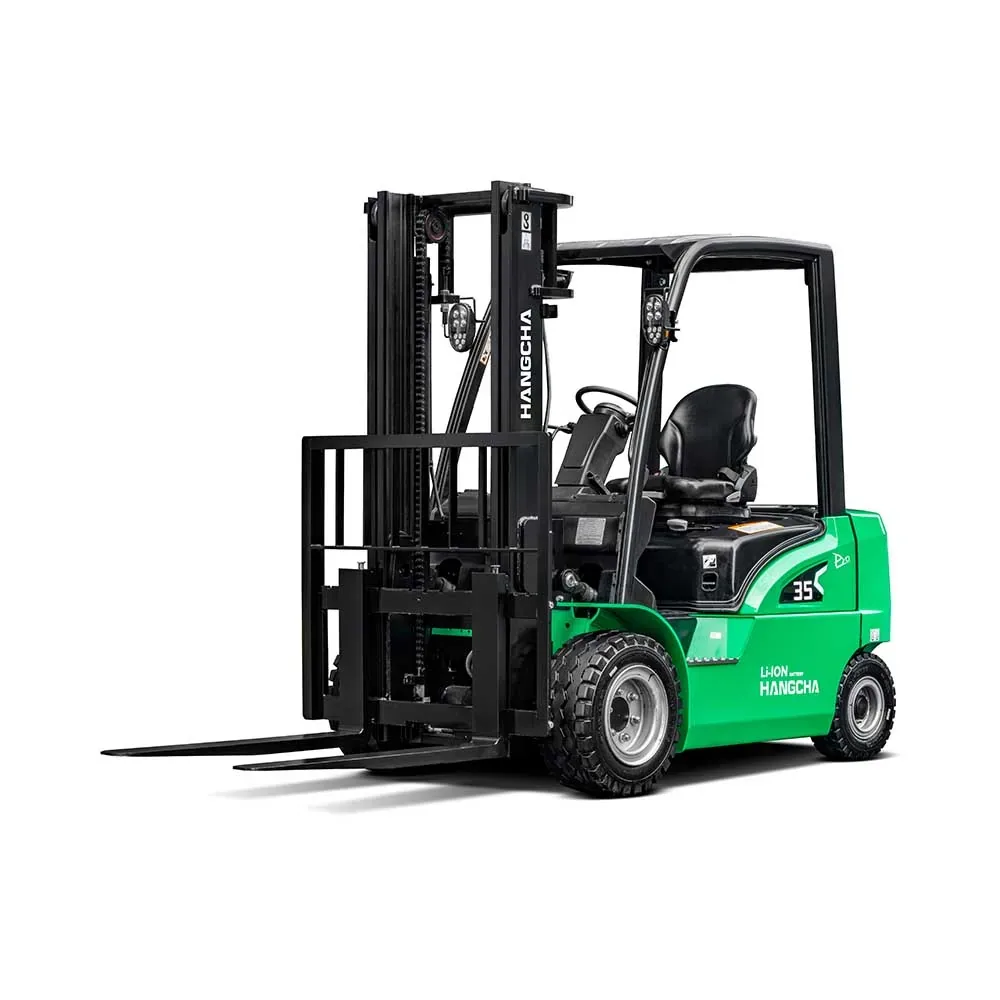
Electric counterbalance forklift
Why this direction may fit: May fit indoor paper, textile or warehouse handling when charging, floor and auxiliary hydraulics support the cycle.
Choose another route when: Review IC or another truck when long outdoor travel, power limits, debris, gradients or duty exceed the electric plan.
Check before quotation: Duty, charging, ventilation, route, tyre, mast, attachment and capacity chart.
View Electric counterbalance forklift
Keep pads, sliding surfaces and debris controls in scope
Bale fibres, paper dust, film and bands affect pad friction and moving components. The service plan should name cleaning intervals, pad limits, hose protection and the exact truck energy package.
- Pad friction surface and wear limit
- Debris cleaning around moving arms and carriage
- Battery, tyre and hydraulic inspection for the recorded cycle
Carry pad wear, sliding-surface cleaning, cylinder seals and protected hoses into the operating parts plan. Review the relevant ForkFocus lifecycle support.
Evidence required for material-specific clamp approval
Confirm the exact bale family, tested contact method, clamp rated load and opening range, truck hydraulics, mast, lift height, actual load centre and OEM working-point capacity before quotation approval.
Send Your Bale and Handling Details
Provide the following data so the quotation can state the truck, mast, power, tyre, attachment, capacity-verification and support scope without guessing.
Send these details to ForkFocus
If the truck type is not yet fixed, use the Forklift Selection Advisor for a preliminary direction, then return with the exact mast, load chart and attachment configuration.
- Bale material and wrapping or bands
- Weight and complete dimensional range
- Photographs of every contact face
- Allowable compression and damage concerns
- Pickup, stacking and travel sequence
- Lift height, aisle, doors and floor
- Cycles per hour and shifts
- Truck, carriage, mast, hydraulics and load chart
Questions that close the Technical configuration review
Can one bale clamp cover cotton, paper and recycling bales?
Only when the verified opening range, arm and pad contact, allowable compression and retention method suit every listed bale family.
Which hydraulic value controls clamp force?
Pressure primarily affects available force; flow primarily affects movement speed. Both must remain within the attachment and truck circuit limits.
What should bale photographs show?
Show every contact face, bands or wrapping, the smallest and largest bale, the pickup point and the final stack arrangement.