
Hangcha Class 5 IC & Heavy-Duty Forklifts
Pneumatic-tyre diesel and LPG forklifts for factory yards, construction materials, ports and sustained outdoor handling.
Capacity is only the first number to check
A Class 5 forklift works on pneumatic tyres and is normally selected for yards, ramps, mixed indoor-outdoor travel paths and higher-duty applications. Engine, transmission, cooling package, ground clearance and tyre construction decide whether the truck can maintain output through the shift.
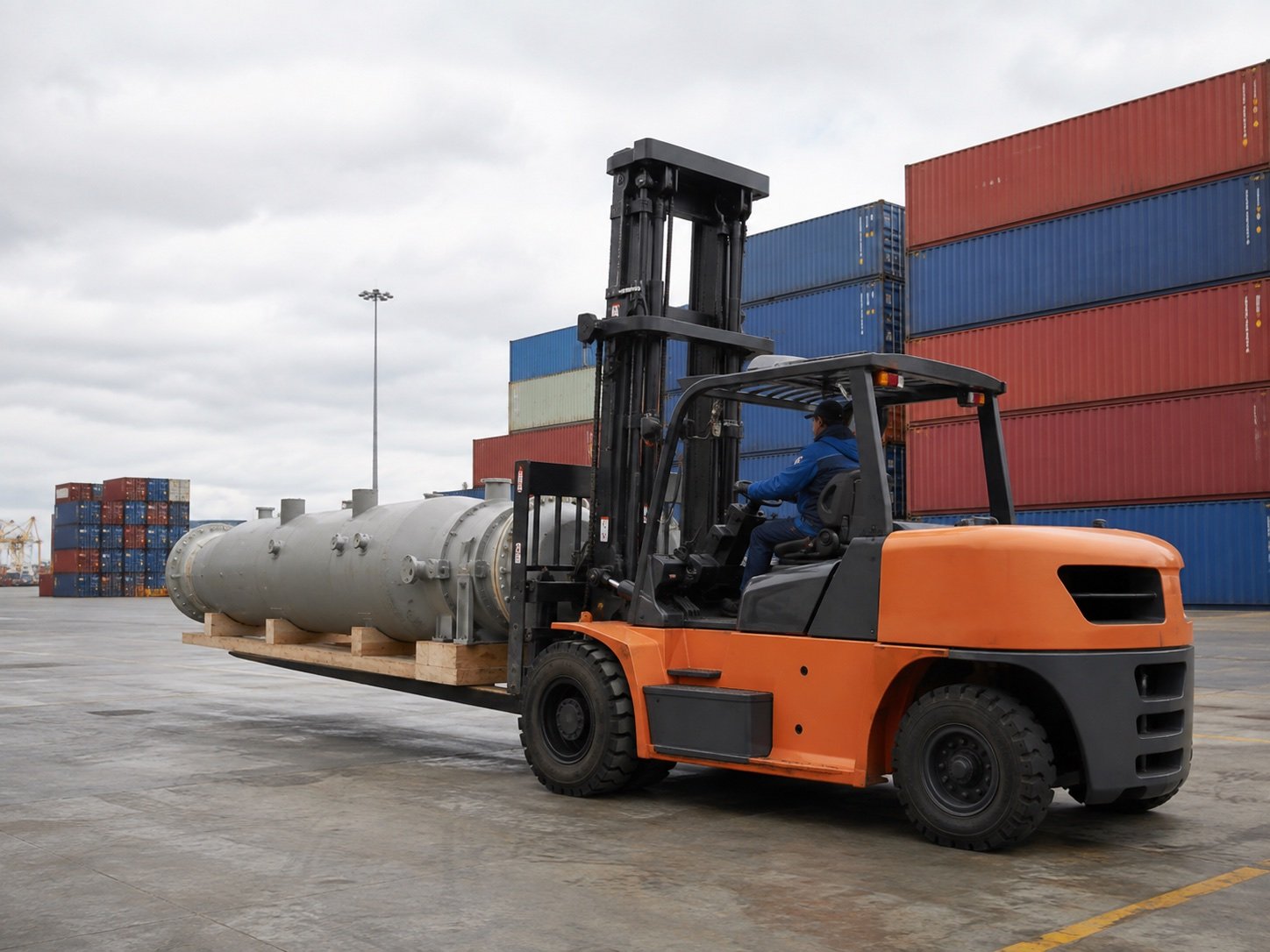
Rated capacity must be checked against the real load centre, lift height and attachment. A long load, high mast or clamp can require a larger chassis even when the cargo weight appears to fit a smaller truck.
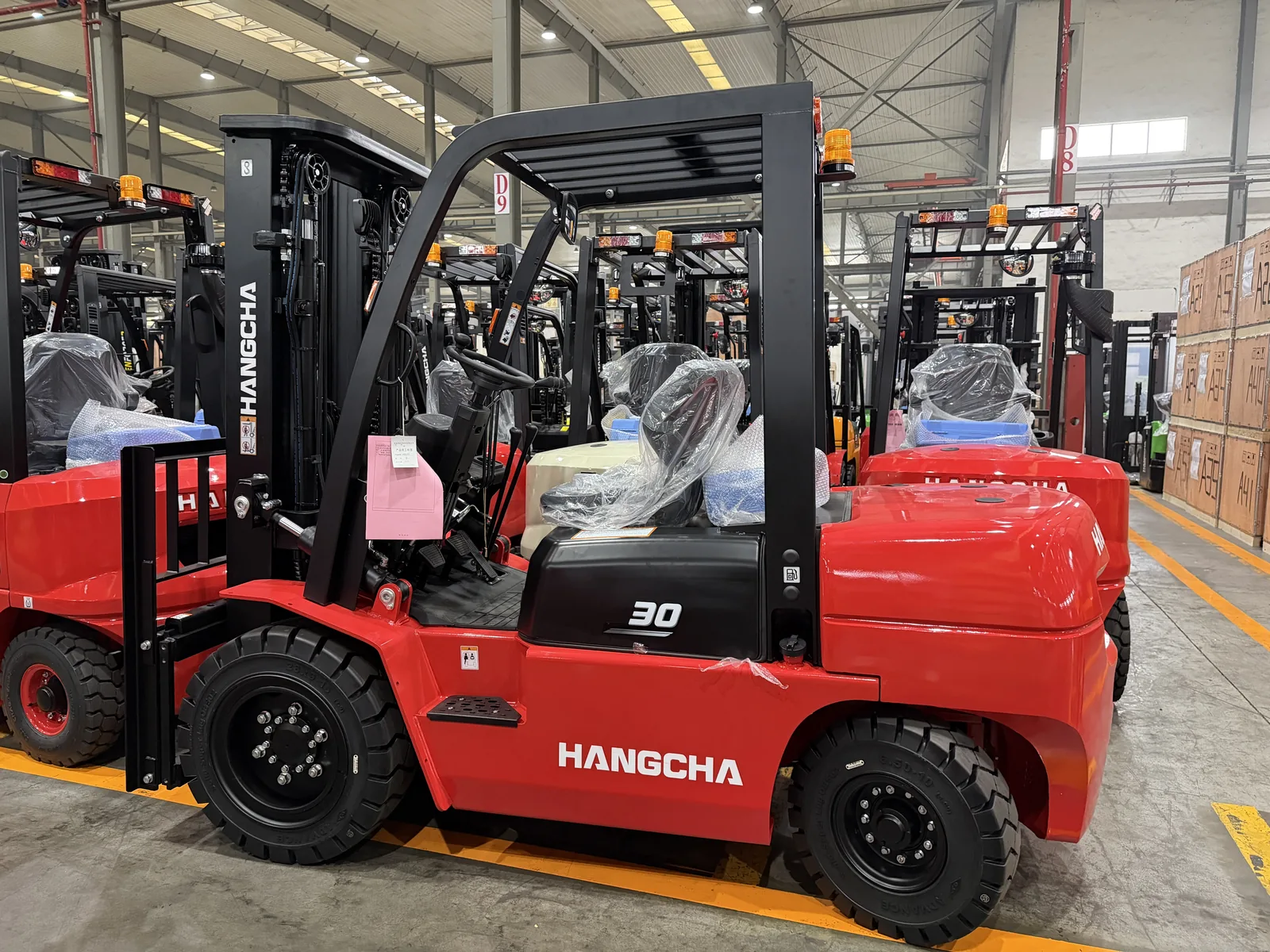
A and A2 Series IC forklifts
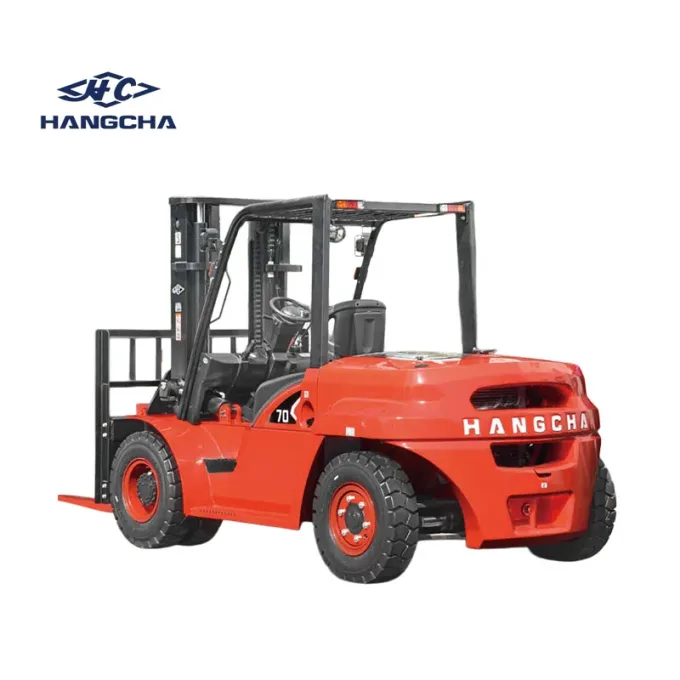
A practical range for standard factory and yard work, from compact 1.0–3.8 tonne trucks through 4.0–10.0 tonne configurations.
Compare engine availability, mast, tyres, fork length and local emission requirements before fixing the model code.
Open A Series IC forklifts →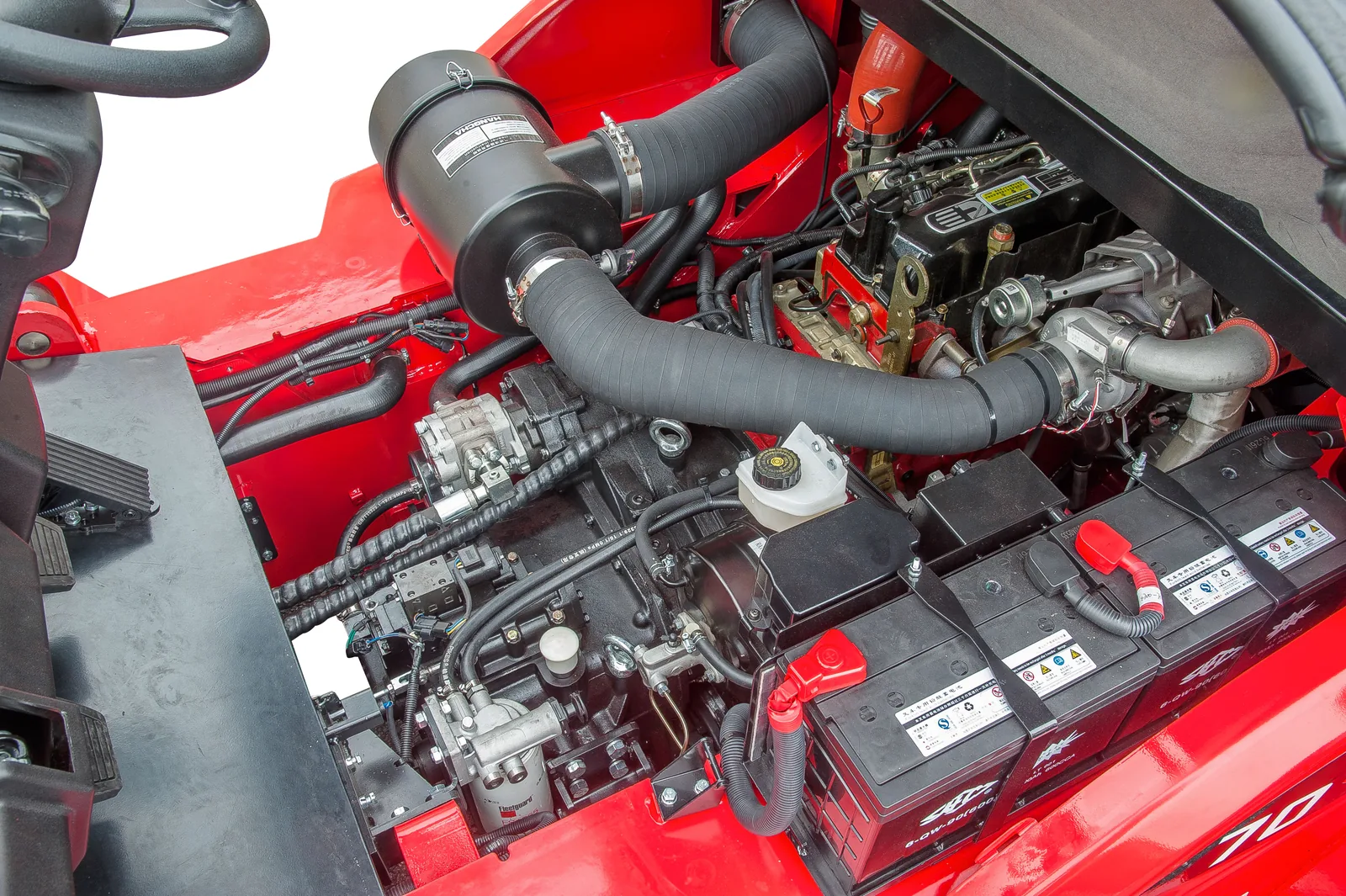
X Series IC forklifts
X Series trucks cover 1.5–10.0 tonne general-duty and demanding outdoor applications, with dedicated stone, container and heavy-load configurations.
This forklift type may suit work where stability, cooling, operator space and continuous-duty performance matter more than the lowest initial specification.
Open X Series IC forklifts →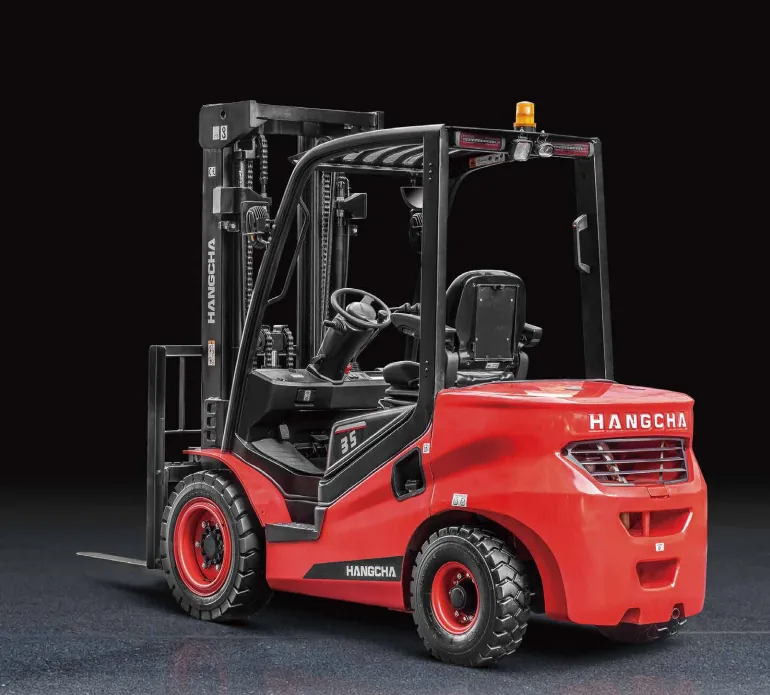
XF and XF2 Series
Diesel and LPG configurations cover compact 1.0–3.5 tonne trucks and extend through 4.0–12.0 tonne applications.
LPG suits operations that need cleaner exhaust around ventilated buildings, while diesel remains the normal choice for sustained outdoor work and high drawbar demand.
Open XF and XF2 forklifts →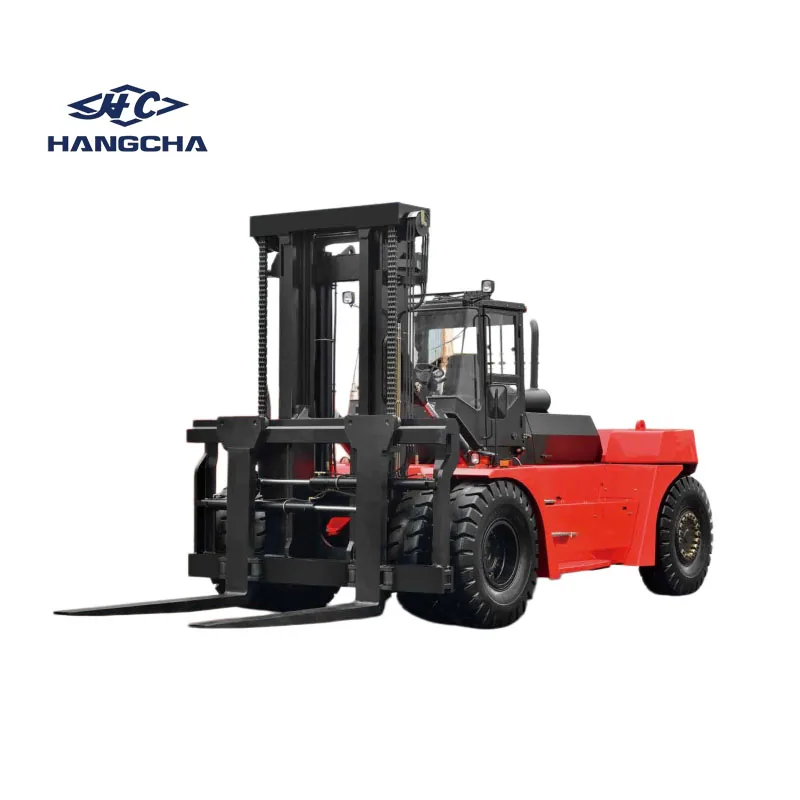
Heavy-duty and special IC equipment
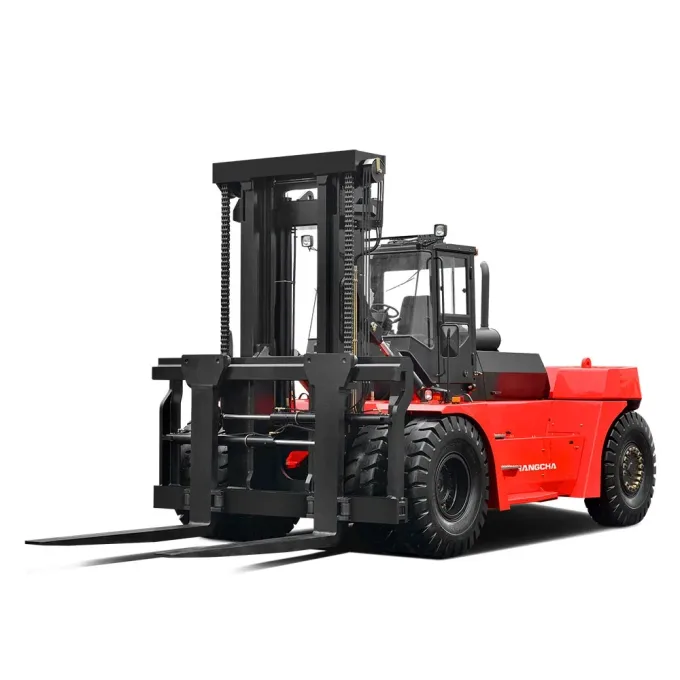
Heavy forklifts extend from 12 to 48 tonnes, with dedicated chassis for stone, steel, container and port operations. Side loaders, empty-container handlers and reach stackers belong to separate application checks.
Load centre, axle loading, tyre rating, mast visibility and transport dimensions must be confirmed before a heavy truck is quoted.
Open heavy-duty forklifts →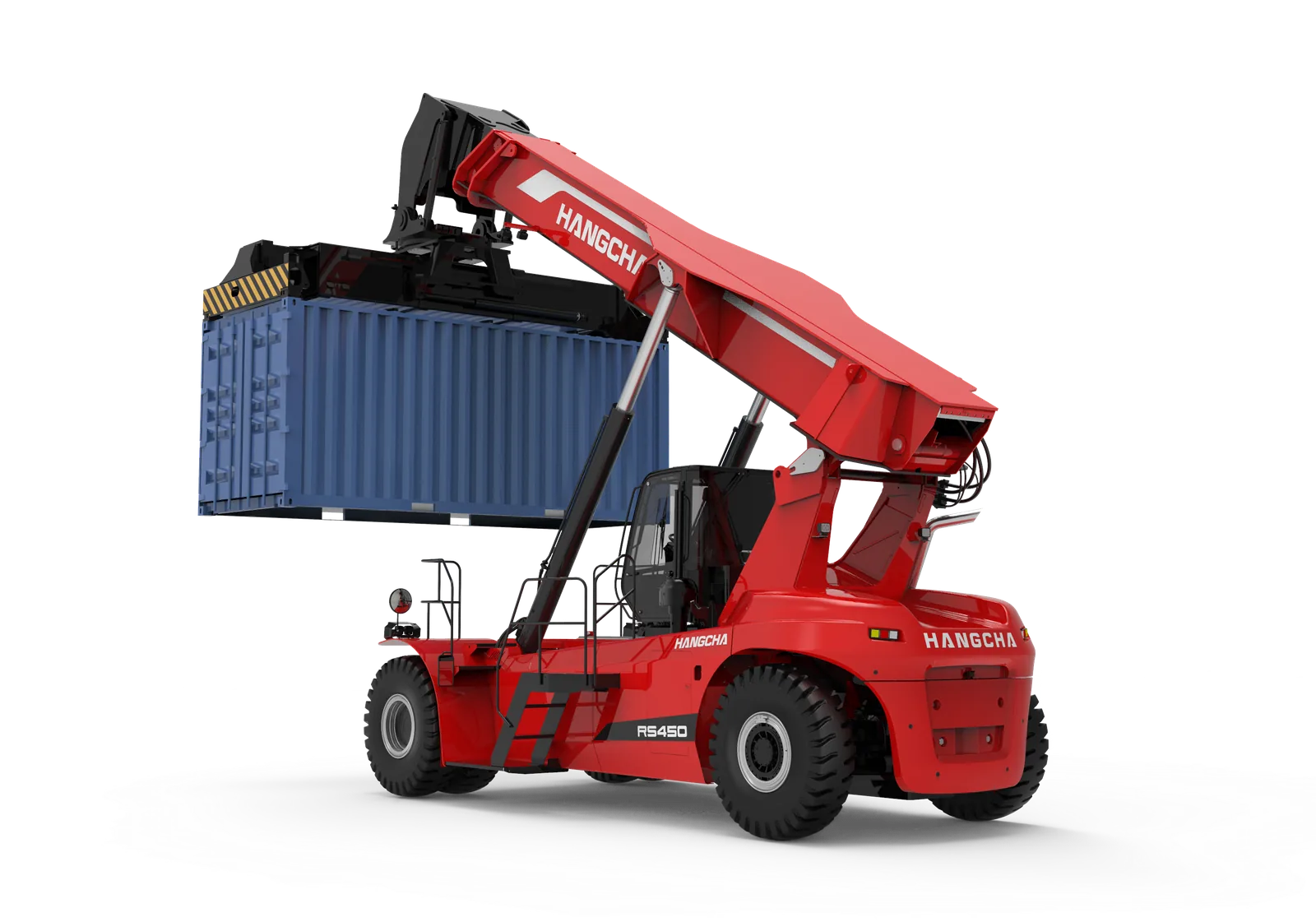
Special and port equipment
XA Series IC trucks, hybrid forklifts, reach stackers, empty-container handlers and side loaders serve applications that cannot be matched by a standard counterbalance forklift.
Container type, stacking height, travel path, load centre, aisle and transport restrictions must be checked before the equipment family is confirmed.
Open special and port equipment →Information that changes the truck
For container yards, stone plants and long-load handling, the duty cycle and load geometry are more important than the nominal tonne class. ForkFocus reviews the application before confirming chassis, mast and attachment.
When an electric truck is preferred for outdoor work, the Hangcha XE, XC and XH forklift options should also be compared. The decision should be based on output, charging and site conditions—not power type alone.
| Load | Maximum weight, dimensions, load centre and handling attachment. |
|---|---|
| travel path | Indoor/outdoor use, ramp gradient, surface condition and travel distance. |
| Duty | Moves per hour, shift length, ambient temperature and cooling demand. |
| Engine | Diesel or LPG, emission stage, service support and fuel availability. |
| Configuration | Lift height, mast type, tyres, cabin, fork length and hydraulic functions. |
ForkFocus completes the working configuration
We compare the real duty against the Hangcha series, engine and capacity band, then confirm mast, tyres, forks, cabin, lighting and hydraulic requirements as one configuration.
Forklift parts and attachments can be combined with the truck order. Pre-delivery checks, loading method and document requirements are coordinated through our 360 service.
Container loading, break-bulk or project shipment is arranged around the truck size and destination. Review our flexible shipment planning.
Class 5 forklift FAQ
When should an IC forklift be compared with an outdoor electric forklift?
Compare both when the site needs outdoor traction but also wants lower noise or emissions. Shift length, charging window, ramps, towing demand and ambient conditions normally determine the suitable truck type.
Is rated capacity enough to select a heavy forklift?
No. Residual capacity must be checked with the real load centre, lift height, mast and attachment. Heavy and long loads may move the selection into a larger chassis.
What is the normal delivery time?
Standard small-capacity forklifts normally require about 30 days after order and configuration confirmation. Large-capacity and heavy-duty forklifts normally require about 45 days; special masts, cabins and project specifications can change the schedule.
What warranty applies?
The normal warranty is 1–2 years or 2,000 working hours, whichever comes first. Special projects can be reviewed for additional warranty arrangements.
What are the normal payment terms?
Normally 30% deposit and 70% balance before delivery. Special terms can be discussed for special orders.
Confirm the duty before fixing the model code
Send load dimensions, maximum weight, lift height, site surface, ramps and shift pattern. We will return the suitable Class 5 range and the remaining configuration points.
One truck order, one workable material-handling solution
ForkFocus integrates forklifts, spare parts and Forklift Attachments into a unified material-handling solution. For Class 5 trucks, we confirm load centre, mast height, tyre type, cooling demand and attachment hydraulics before the configuration is released.
A forklift attachment such as a carton clamp, paper roll clamp or fork positioner changes residual capacity and hydraulic requirements. Planned service parts can be packed with the truck, while our flexible shipment planning coordinates containers, attachments and spare parts.
Hangcha Product USP
The useful advantage is not the number of models; it is choosing the right platform for the real duty. Hangcha covers standard IC trucks, export-focused diesel and LPG platforms, heavy-duty forklifts and purpose-built port equipment. That range lets the specification move upward when heat load, load centre or attachment demand exceeds a standard counterbalance truck.
Performance in Real Work
For Class 5 work, travel speed is only one part of productivity. Cooling capacity, transmission temperature, gradeability, brake type, mast visibility and residual capacity decide whether the truck can maintain output through the shift.
Series Comparison
| A / A2 | Controlled purchase cost and familiar standard-duty layout |
|---|---|
| X | Higher-duty cooling, travel-cycle and operator package |
| XF / XF2 | Broad engine, LPG and export-market configuration options |
| Heavy / Port | Purpose-sized structure, brakes, axle, cooling and container-handling geometry |
Why Hangcha
Overlapping platforms let the truck specification follow the application. Engine, emission package, mast height, tyres, cooling and duty level can be aligned without forcing every project onto one standard chassis.
Platform depth
Standard, higher-duty and purpose-built trucks cover different duty cycles and heat loads.
Configuration depth
engine and transmission, mast, tyres, brakes and operator package can be matched to the destination.
Service continuity
Technical documents and planned forklift parts remain traceable after delivery.
Why ForkFocus
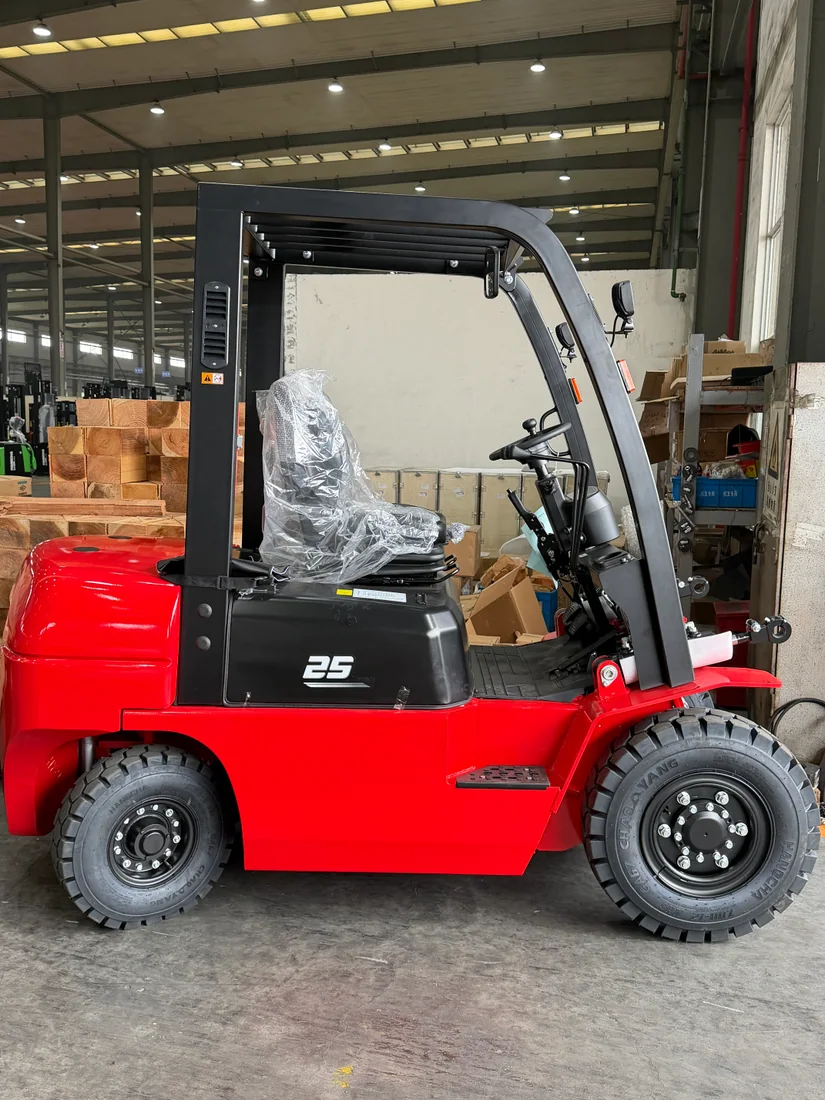
ForkFocus converts the truck request into a checked material-handling specification. The forklift, load, mast, tyres, Forklift Attachment, parts and shipment are reviewed before the order is released.
Working condition
Load, load centre, mast height, travel path and shift intensity.
Truck configuration
engine and transmission, cooling, tyres, brakes and hydraulic functions.
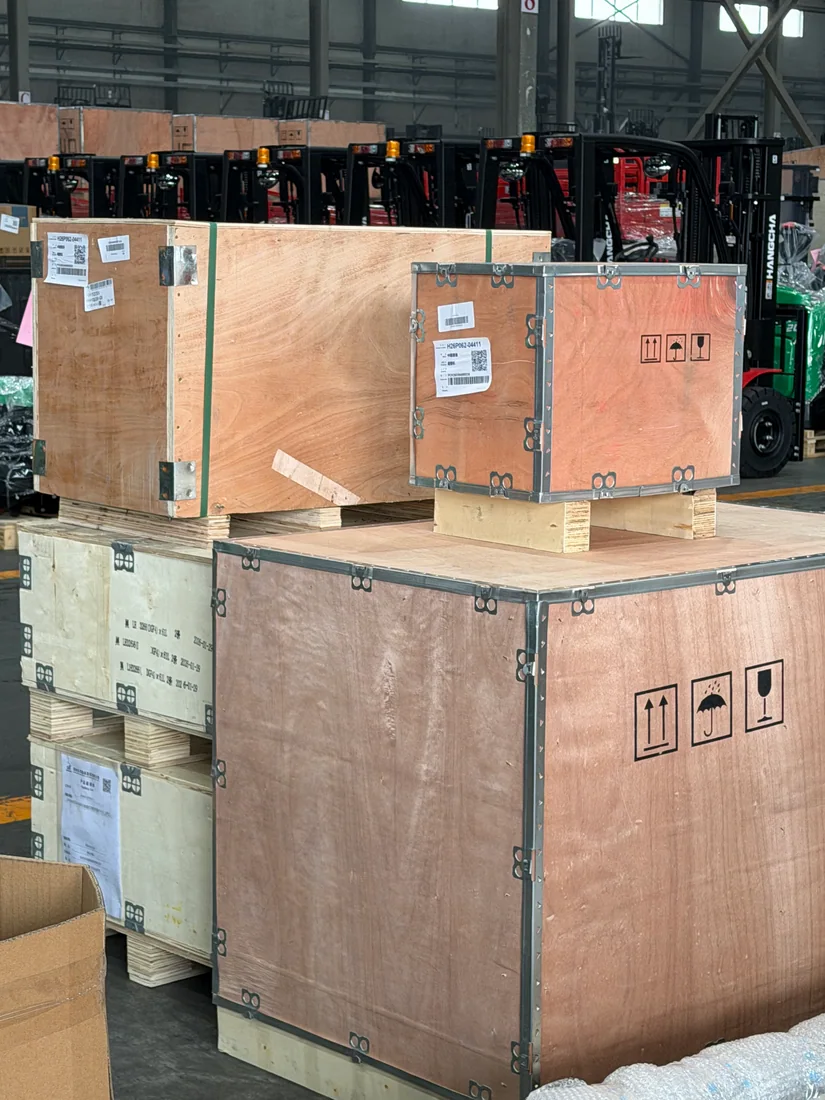
Attachment & parts
Residual capacity, carriage class and planned service parts.
Delivery control
Discuss your forklift requirements
Send a model, quantity and destination, or describe the load and lifting task.
Request a forklift quotation