
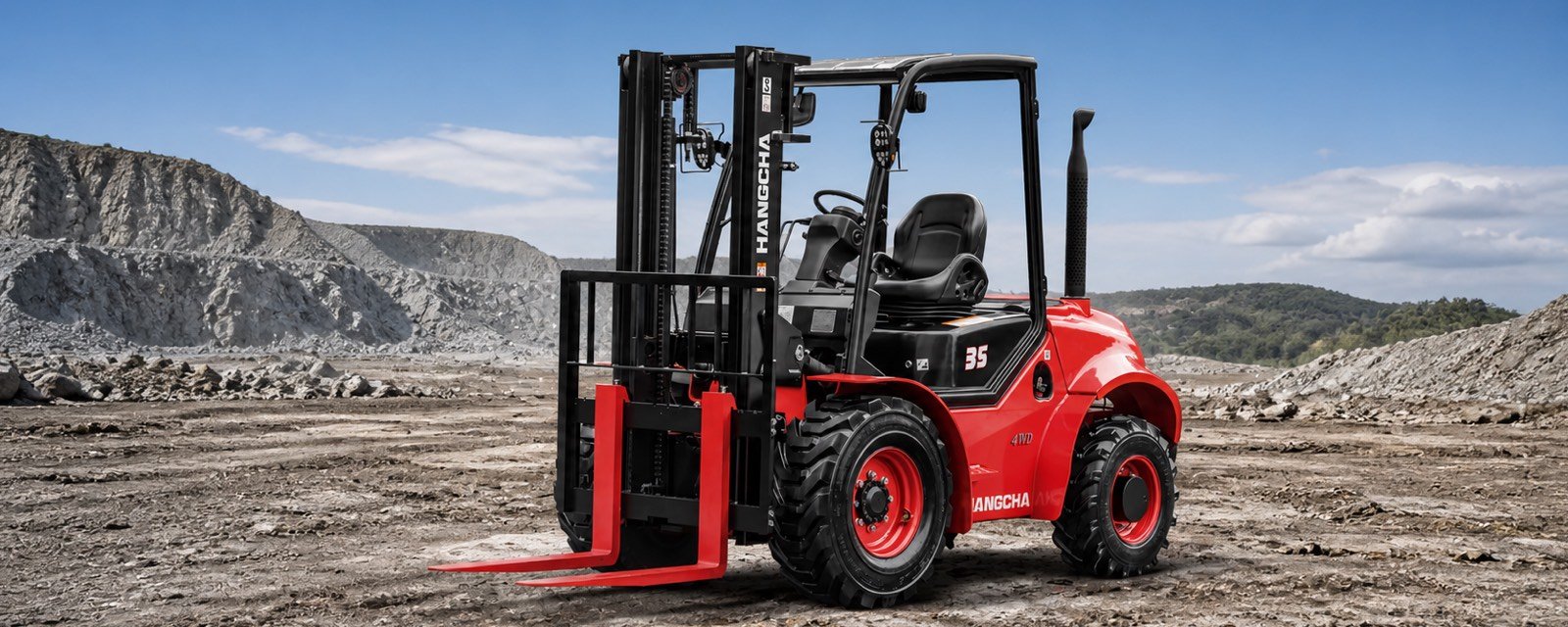
Class 7 Rough-Terrain Forklifts and Telehandlers
Compare ground condition, gradient, load centre, reach requirement and attachment before choosing between a rough-terrain forklift and a telehandler.
Class 7 equipment is selected around ground condition, traction, gradient, load centre and reach geometry. Rough-terrain forklifts carry loads on a mast; telehandlers place loads forward and upward through a telescopic boom, so their capacity charts and attachment checks are different.
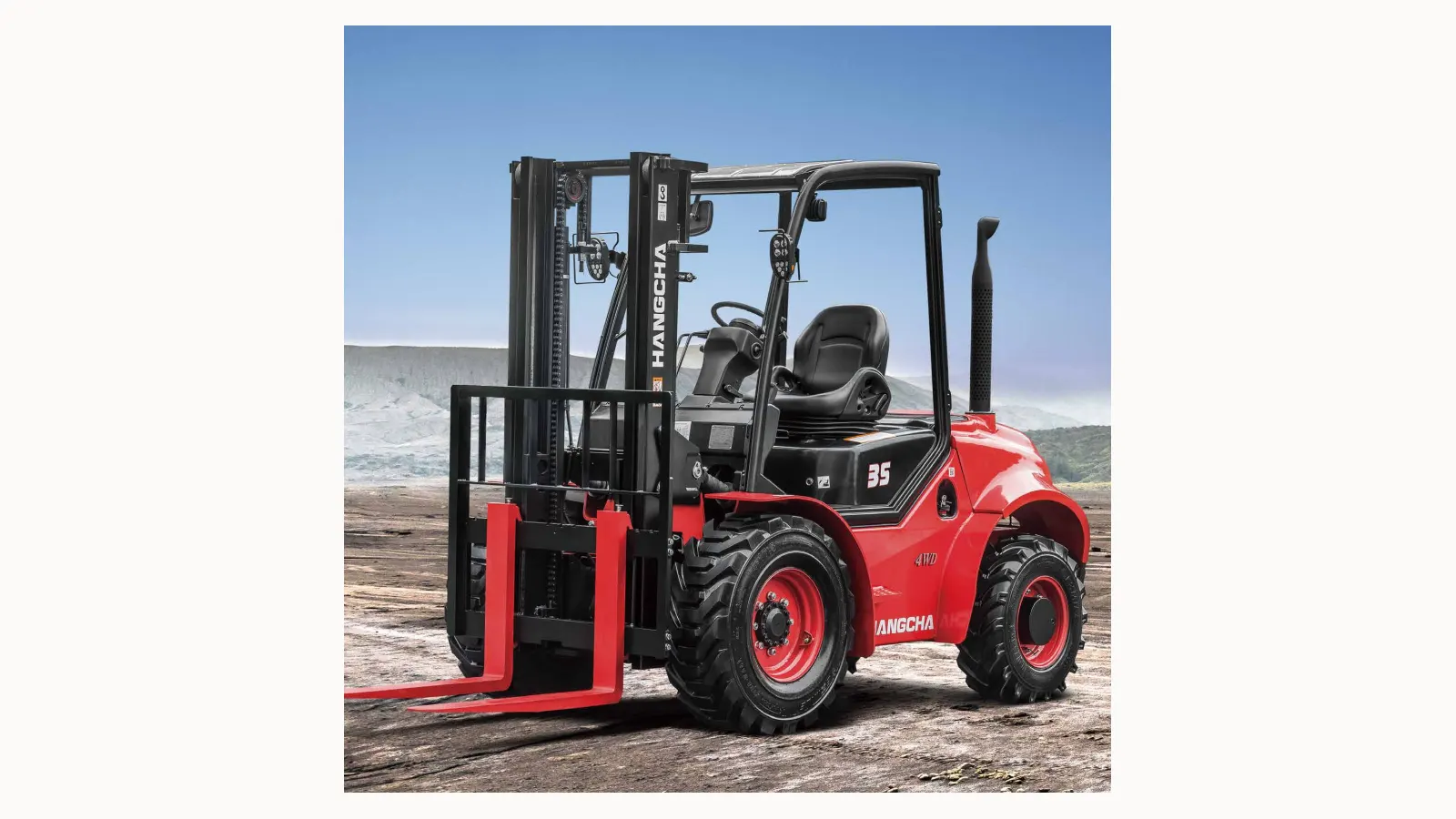
Rough-Terrain Forklifts
1.5–10.0 t diesel and high-voltage lithium platforms for construction, timber, agriculture and uneven yards.
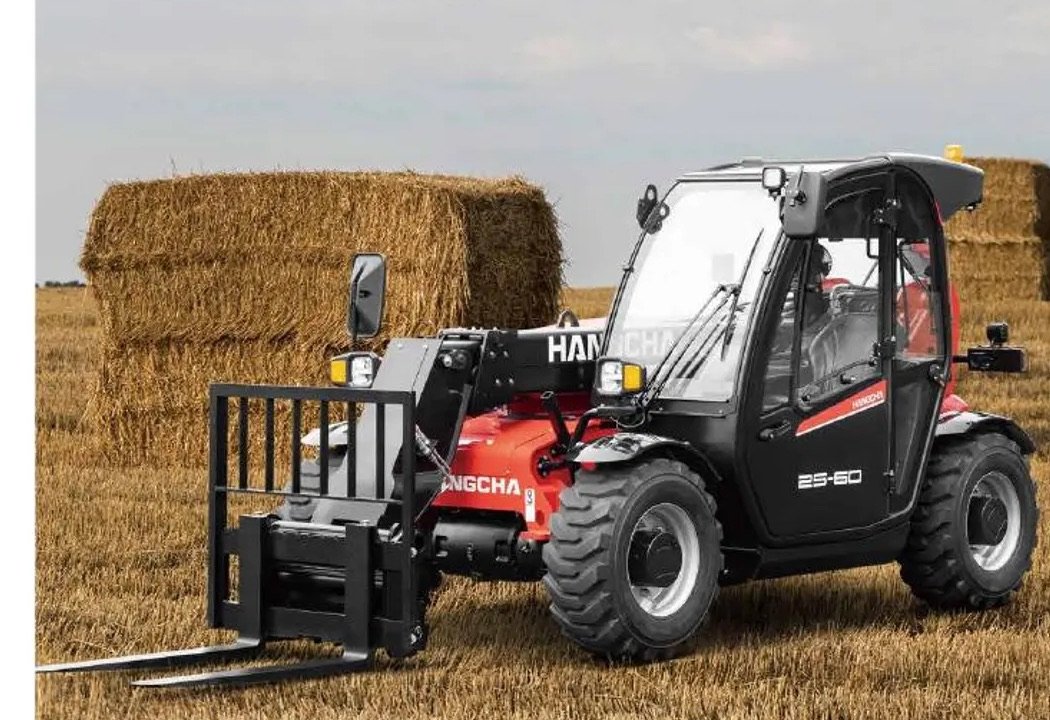
Telehandlers
X Series diesel and XH high-voltage lithium machines for forward reach, elevated placement and attachment-based work.
Rough-terrain forklift platforms
The range covers compact 1.5–1.8 t trucks, 2.5–3.5 t 2WD and 4WD trucks, 5.0–10.0 t heavy rough-terrain forklifts, and 1.5–3.5 t high-voltage lithium models.
Diesel remains practical for long outdoor shifts and quick refuelling. High-voltage lithium adds zero-emission operation, fast charging and strong torque where charging infrastructure is available.
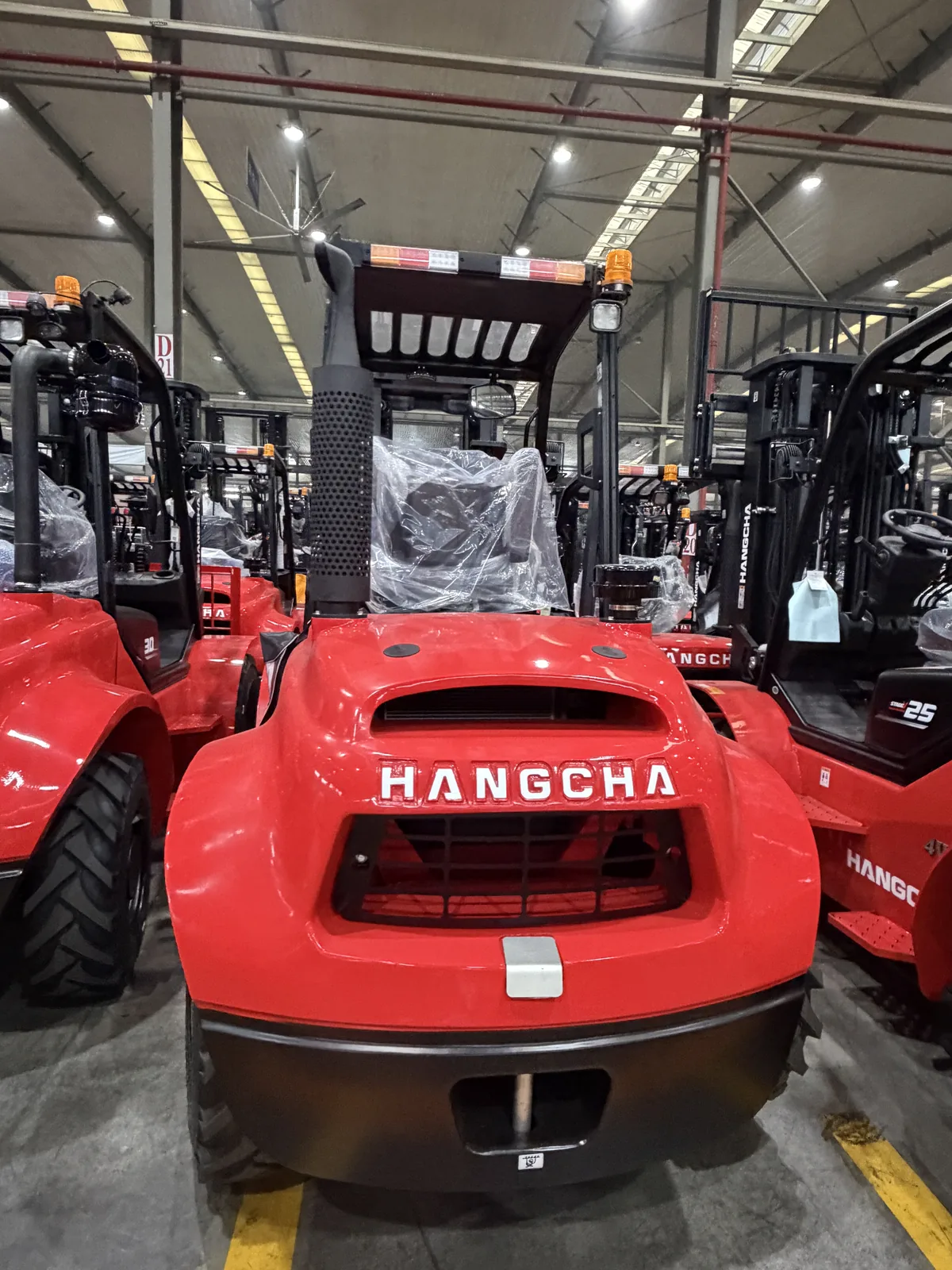
Choose the chassis from the ground and load
| 1.5–1.8 t compact | Light agricultural, construction and maintenance loads where machine width and turning room are limited. |
|---|---|
| 2.5–3.5 t 2WD | Prepared outdoor routes with moderate traction demand and controlled gradients. |
| 2.5–3.5 t 4WD | Loose ground, steeper gradients and work where consistent traction is critical. |
| 5.0–10.0 t | Heavier timber, construction material and industrial outdoor handling with larger tyres and stronger chassis requirements. |
| Lithium 1.5–3.5 t | Mixed indoor/outdoor work that needs zero-emission operation, fast charging and stronger electric performance. |
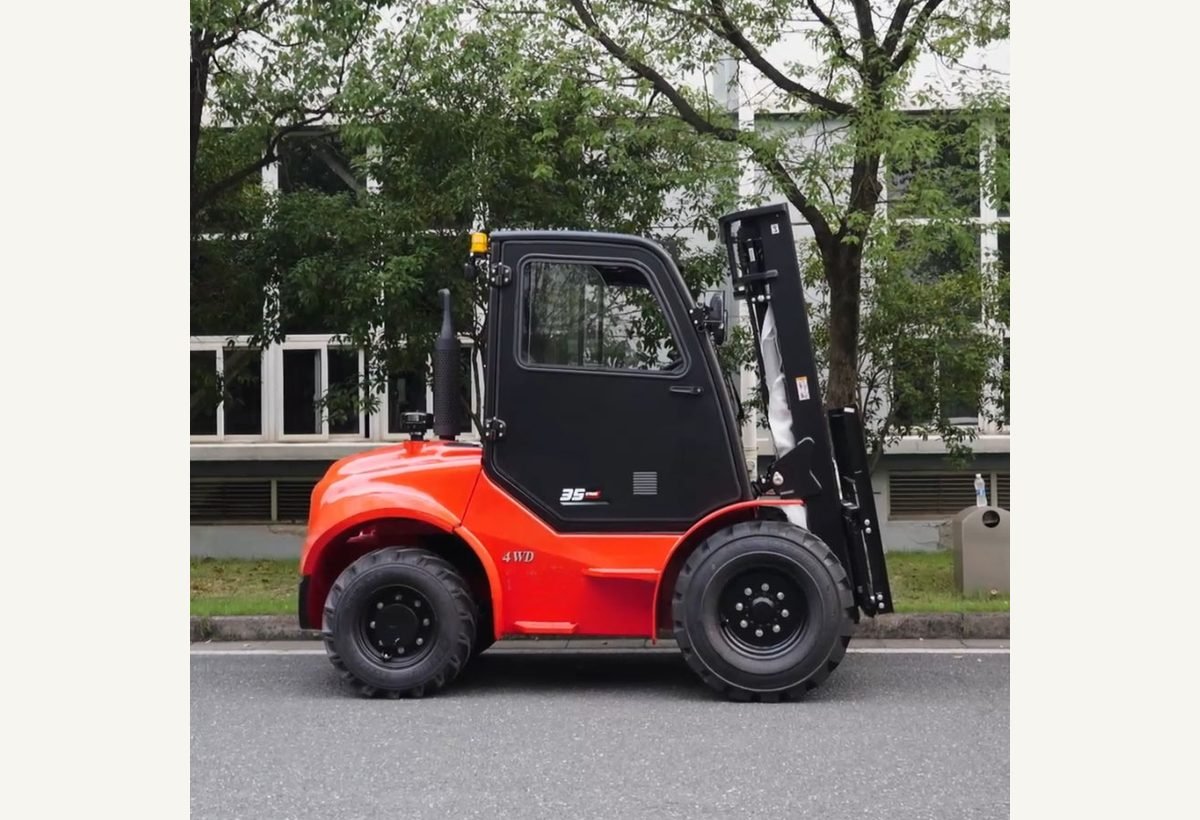
Five checks before capacity is confirmed
Ground bearing: mud, gravel, ruts and soft soil determine tyre and drive choice.
Gradient: check the loaded route, not only the published unladen figure.
Load centre: long loads and Forklift Attachments reduce residual capacity.
Cooling and dust: ambient temperature, radiator access and cleaning intervals matter in long shifts.
Stability: mast height, side slope, tyre pressure and travel practice must be reviewed together.
Rough-terrain forklift working video
Watch the machine at work, then compare the operating route, duty cycle and configuration with your own application.

Telehandlers: choose by reach geometry, not nominal capacity
A telehandler must hold the load at the required lift height and forward reach. Boom angle, stabiliser position, ground bearing and attachment weight change the usable capacity, so the nameplate tonne figure is only the starting point.
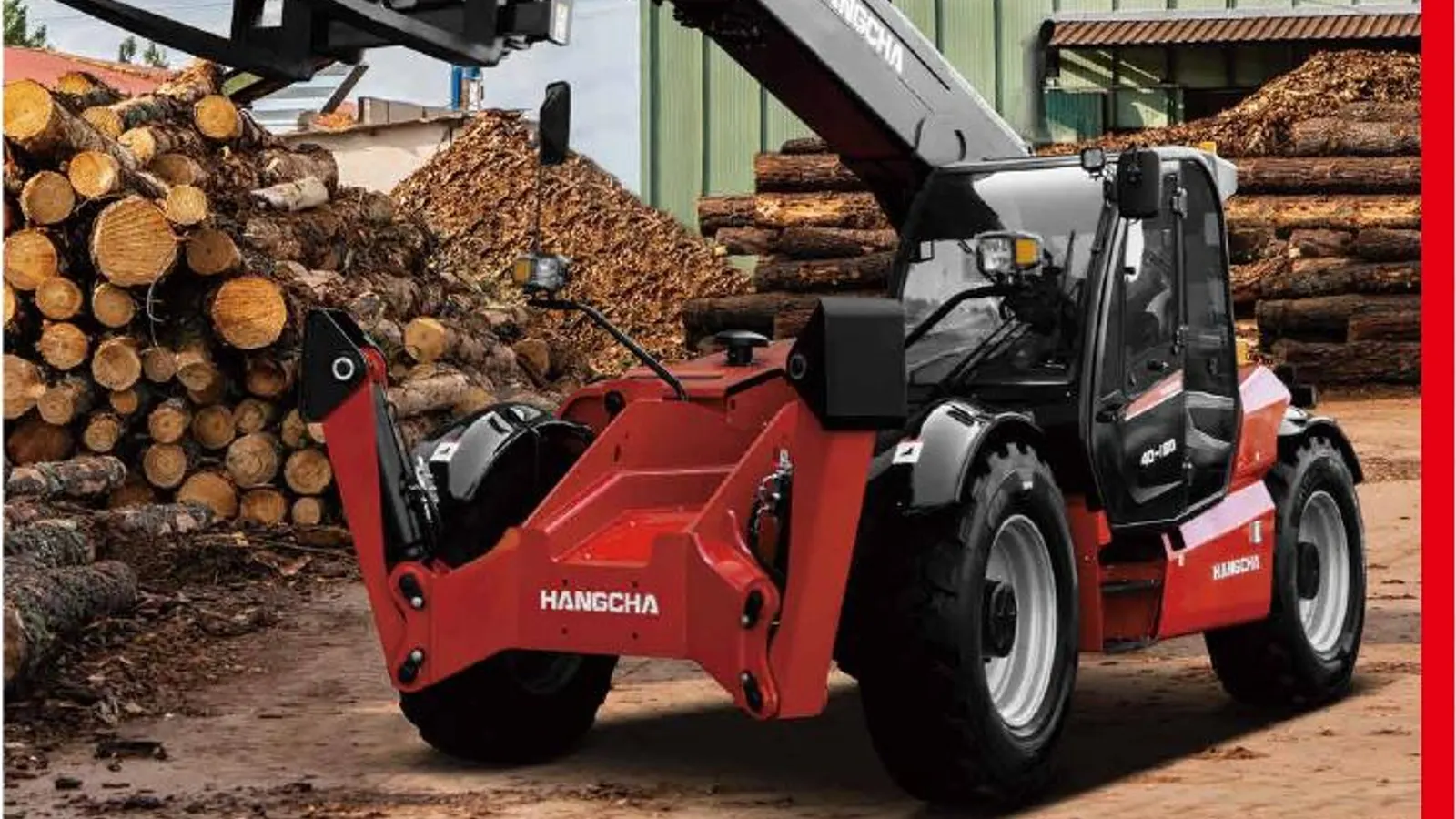
X Series 4.0 T Diesel Telehandler
For long-reach construction, timber and continuous outdoor work.
Travel speed reaches 35 km/h and gradeability reaches 40%. Quick refuelling and a 160 L fuel tank suit long outdoor shifts.
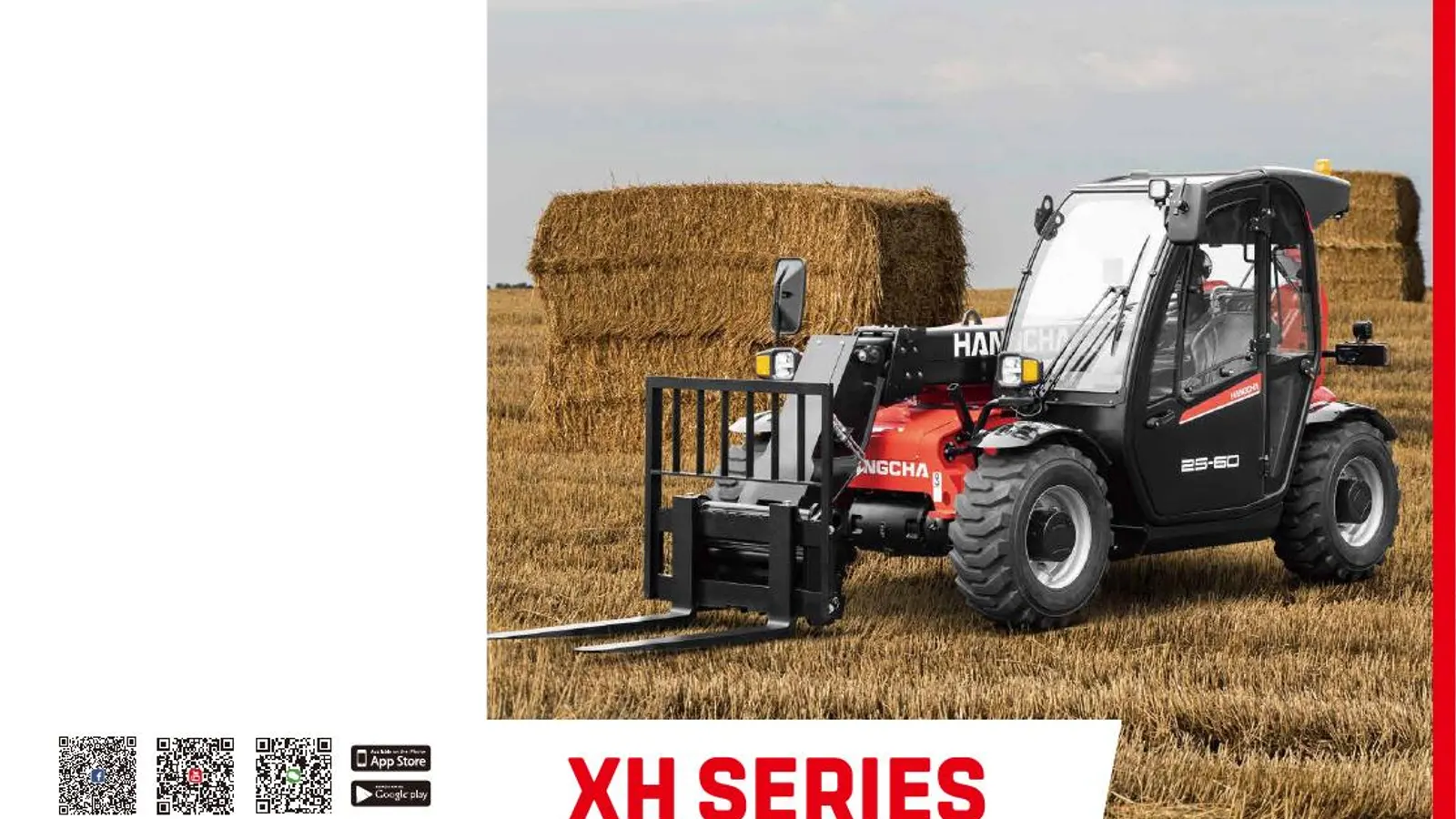
XH Series 2.5–3.5 T High-Voltage Lithium Telehandlers
For zero-local-emission work where charging can be planned around the shift.
The 310 V platform supports DC fast charging; under suitable conditions, 30% to 80% charging takes about 30 minutes.
Diesel X or lithium XH?
| Choose X Series diesel | Long outdoor shifts, remote sites, fast refuelling and the 4.0 t / 17.7 m long-reach envelope. |
|---|---|
| Choose XH lithium | Lower noise, zero local exhaust emissions, planned charging and 2.5–3.5 t work up to 9.8 m. |
| Check before either | Actual load weight and centre, required forward reach, lift height, attachment, ground bearing, gradient and stabiliser space. |
| Attachment work | Fork carriage, bucket, clamp, crane arm or working platform must be checked against the load chart and hydraulic requirement. |
Watch telehandler boom movement and stabiliser use
Use the working video to compare visibility, boom cycle and work-tool changes with the real application.

Why Hangcha
A broad platform range lets the truck specification follow the duty, rather than forcing every operation onto one standard chassis.
Rough-terrain forklift platforms cover compact, heavy-duty and high-voltage lithium work, while X and XH telehandlers cover diesel long-reach and high-voltage lithium applications. Powertrain, steering, braking, boom geometry and service access can therefore follow the route and shift intensity.
Why ForkFocus
ForkFocus integrates forklifts, spare parts and Forklift Attachments into unified material handling solutions.
We review the working condition, confirm the model and configuration, coordinate inspection, and plan shipment before delivery.
Frequently asked questions
Rough-terrain forklift or telehandler?
Choose a mast truck for direct vertical lifting and compact load travel. Choose a telehandler when forward reach, elevated placement or frequent attachment changes are essential.
When is 4WD necessary?
Loose soil, steeper gradients and repeated outdoor travel can justify 4WD; stable compacted routes may not require it.
Can these machines use Forklift Attachments?
Yes, but attachment weight, load centre, hydraulic demand and the machine capacity chart must be checked together.
Send us the real working condition
Share the load, route, operating hours, indoor or outdoor use, mast height and required attachment. Our forklift team will return a practical configuration instead of a specification-only quotation.