
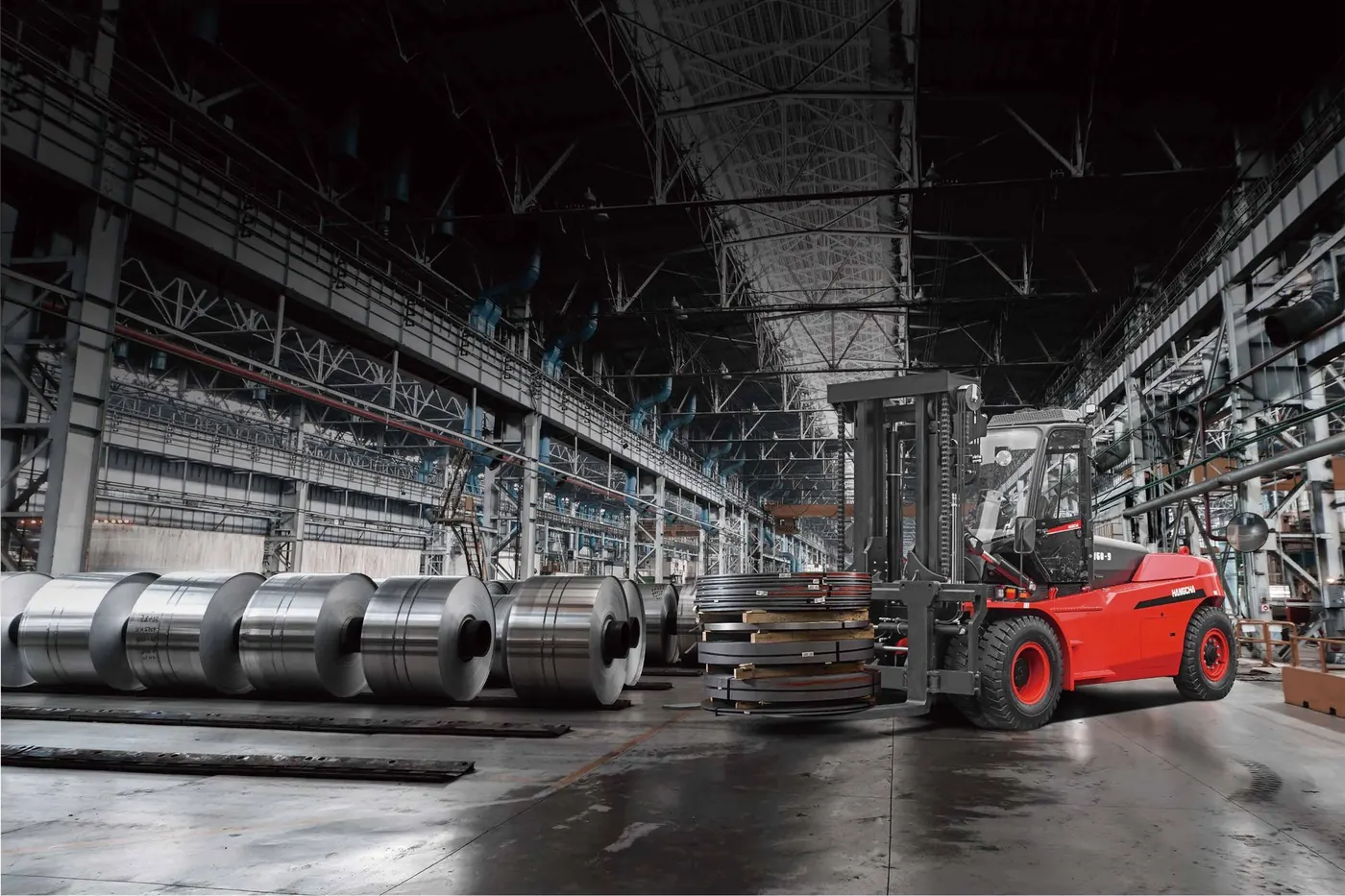
6.0–48.0 t X Series Heavy-Duty Forklifts
The 6–48 t X heavy-duty range is for steel, timber, breakbulk, paper, forging, machinery and port work where nominal capacity is only the starting point. Axle load, brake temperature, load centre, fork section, tyre pressure, visibility and hydraulic demand decide the correct platform.
Where this forklift fits
The 6–48 t X heavy-duty range is for steel, timber, breakbulk, paper, forging, machinery and port work where nominal capacity is only the starting point. Axle load, brake temperature, load centre, fork section, tyre pressure, visibility and hydraulic demand decide the correct platform.
6.0–48.0 t, model-dependent load centre
up to 25–27 km/h on key ranges
model and mast dependent
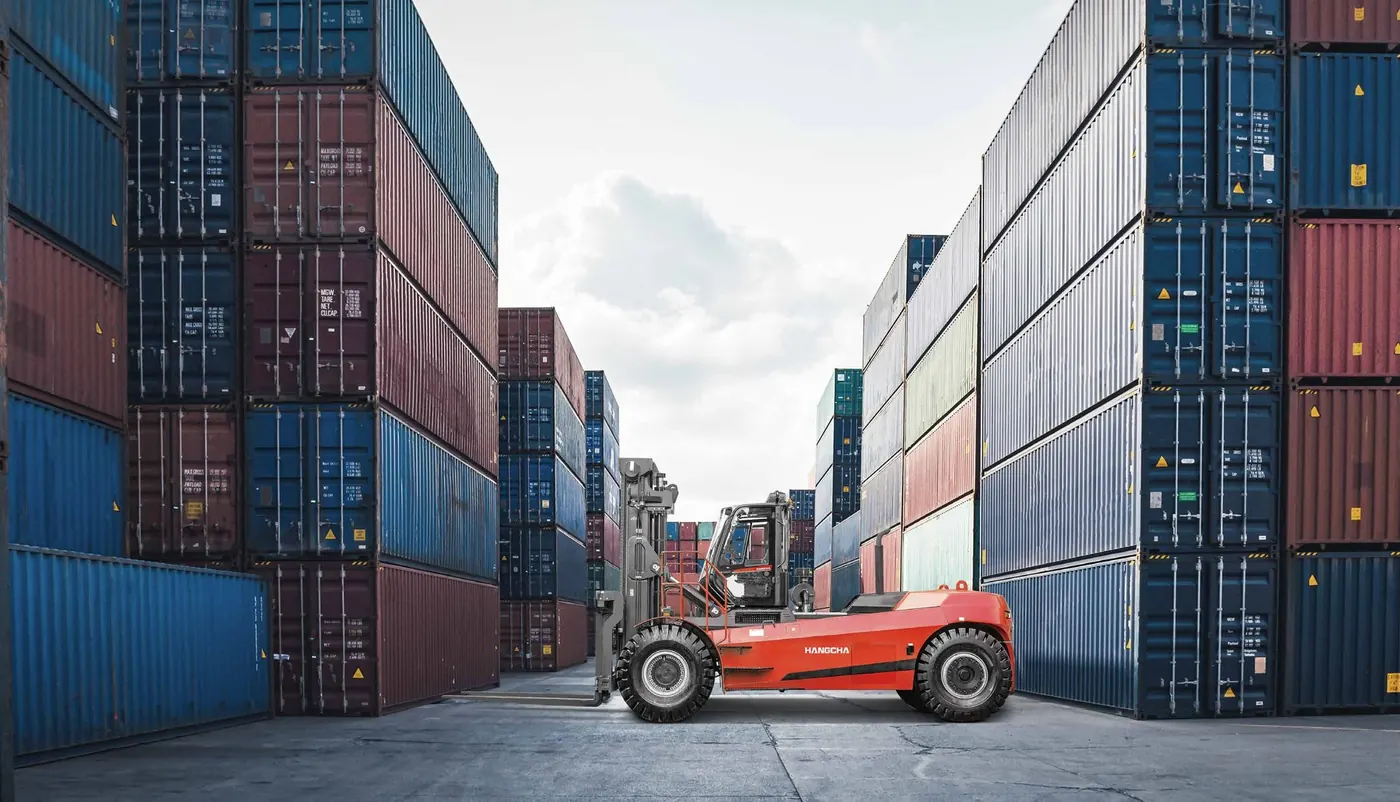
Available models and configurations
Model suffixes identify engine, transmission, emission and market packages. ForkFocus confirms the full designation before quotation so the delivered truck, parts list and service documents match.
Product USP
Heavy-duty driveline choices
Cummins, Okamura, ZF and purpose-selected axle/transmission packages support different capacities and duty levels.
Load-sensing hydraulics
Hydraulic output follows demand, reducing heat generation and extending seal and component life during heavy cycles.
All-round cab visibility
Curved glazing and an elevated, isolated cab improve the operator view around wide loads and long forks.
Serviceable heavy structure
Tilting cab and tool-free access reduce the time required to reach major components.
Industrial brake packages
Wet-disc and heavy axle options are matched to gross truck weight, slope and cycle frequency.
Attachment integration
Hydraulic fork positioners, sideshift, clamps and long forks are specified with the mast and residual-capacity calculation.
Performance in real work
Travel: up to 25–27 km/h on key ranges. Lift: model and mast dependent.
Gradeability: typically 20–28% by range. Attachment hydraulics: heavy-duty load-sensing hydraulics.
These figures become useful only after tyre type, engine package, load centre, mast height and attachment weight are confirmed. ForkFocus compares the complete working cycle—not one catalogue number.
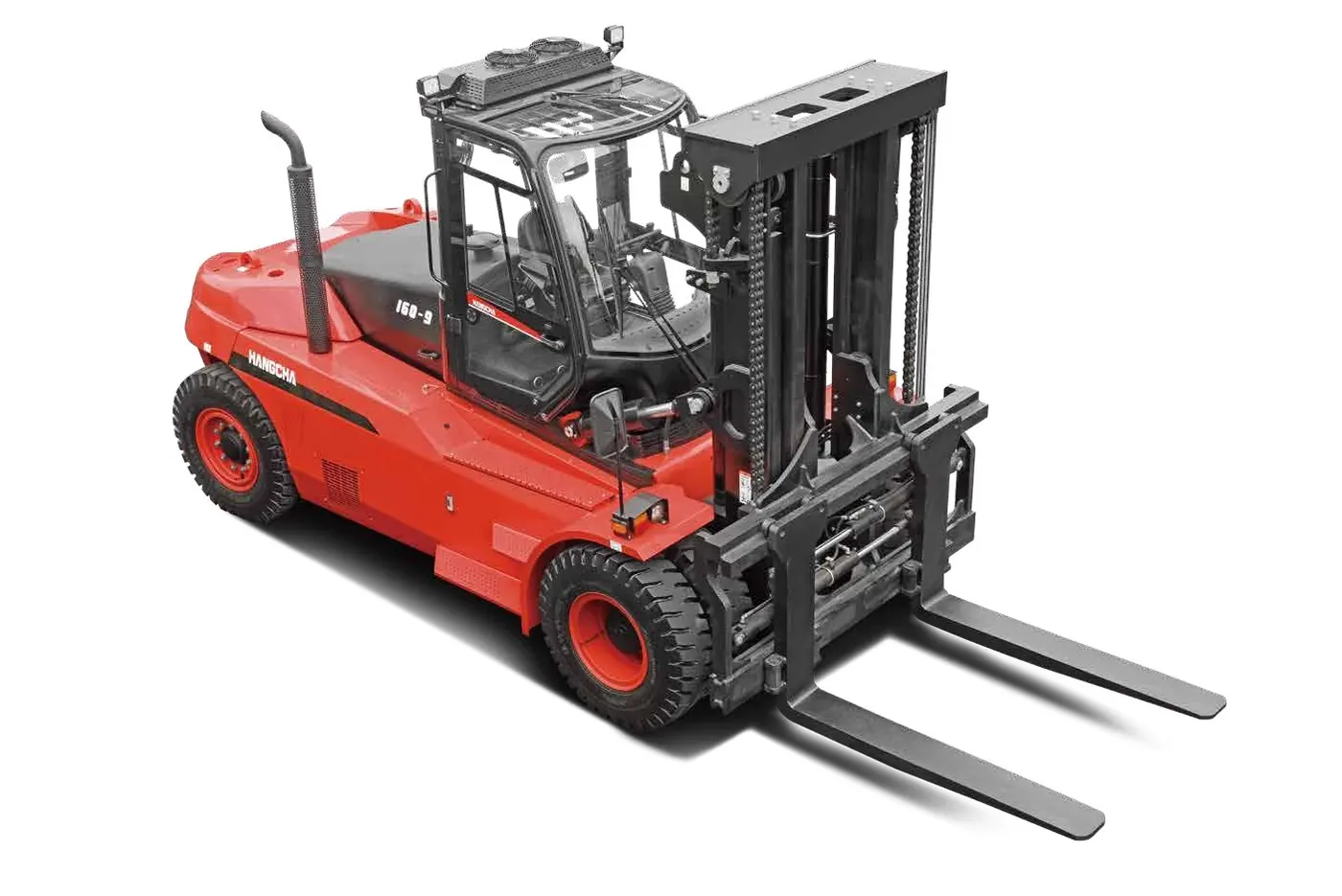
Five selection points from practical forklift work
- For heavy forklifts, always provide the load drawing and centre of gravity. A tonne figure alone is not an engineering specification.
- Check pavement and dock load limits from axle loads, not only total truck weight.
- Cooling margin is essential in steel mills, ports and tropical yards; ambient temperature and duty cycle must be declared.
- Long forks, high masts and attachments change stability and can require a larger capacity platform.
- Shipment planning begins before production because 20–48 t trucks may require Ro-Ro, breakbulk or dismantled shipping arrangements.
Choose the platform by duty, not only price
| Platform | Practical difference | Best fit |
|---|---|---|
| Standard X 5.0–10.0 t | Large industrial frame with conventional layout | Factory and yard loads within standard load centres |
| X 12.0 t | Bridge platform between standard and heavy duty | Dense machinery and steel loads |
| X Heavy Duty 14–48 t | Purpose-built axle, brake, cab and hydraulic packages | Severe steel, port, timber and breakbulk work |
Why Hangcha
The X heavy-duty range provides a continuous set of industrial platforms instead of stretching one chassis across every capacity.
Cab, cooling, braking, powertrain and hydraulic packages are designed around heavy material movement and service access.
Why ForkFocus
We turn the model into a checked working specification. ForkFocus converts the load drawing and route into a checked truck specification: capacity at the real load centre, mast height, forks, tyre pressure, brake package, attachment, service parts and shipping method. That project review is the difference between buying a catalogue capacity and receiving a workable heavy-handling solution.
Planned forklift parts, the correct Forklift Attachment and flexible shipment planning are integrated before dispatch.
See the equipment in operation
A relevant working video shows load behaviour, operator visibility and cycle flow more clearly than a specification table alone.
ForkFocus 360 Service continues from technical confirmation through inspection, documents, delivery and after-sales coordination.
 ▶ Watch 14–18 t Hangcha heavy forklifts prepared for delivery →
Frequently asked questions
Why does this page cover several capacities?
It represents the X heavy-duty product family. Each quotation is narrowed by load centre, load drawing, route and duty cycle.
How long is delivery?
Heavy-duty forklifts are normally planned at about 45 days after technical confirmation and deposit, but very large or special builds can require longer.
Can ForkFocus arrange long forks or fork positioners?
Yes. They are engineered with carriage, mast, hydraulic and residual-capacity requirements before production.
What shipping methods are used?
Ro-Ro, flat rack, breakbulk or project cargo may be used depending on truck dimensions and destination.
What warranty applies?
Normally 1–2 years or 2,000 working hours, whichever comes first. Special project terms can be negotiated.
Confirm the forklift around the real load
Send the load dimensions, weight, lift height, route and required attachment. Our forklift team normally responds within two working hours.