Choose equipment for the job, prepare a useful quotation request and keep the truck working after delivery. These guides connect forklift, attachment and parts decisions that buyers usually have to make together.
Have a model in mind? Send the model, quantity and destination.
Still comparing options? Tell us the load, lift height, working space and site conditions.
Use the Forklift Selector ↗
Select and buy with the right information
Compare equipment against the work it must do, then send enough information for a quotation that covers the complete configuration.
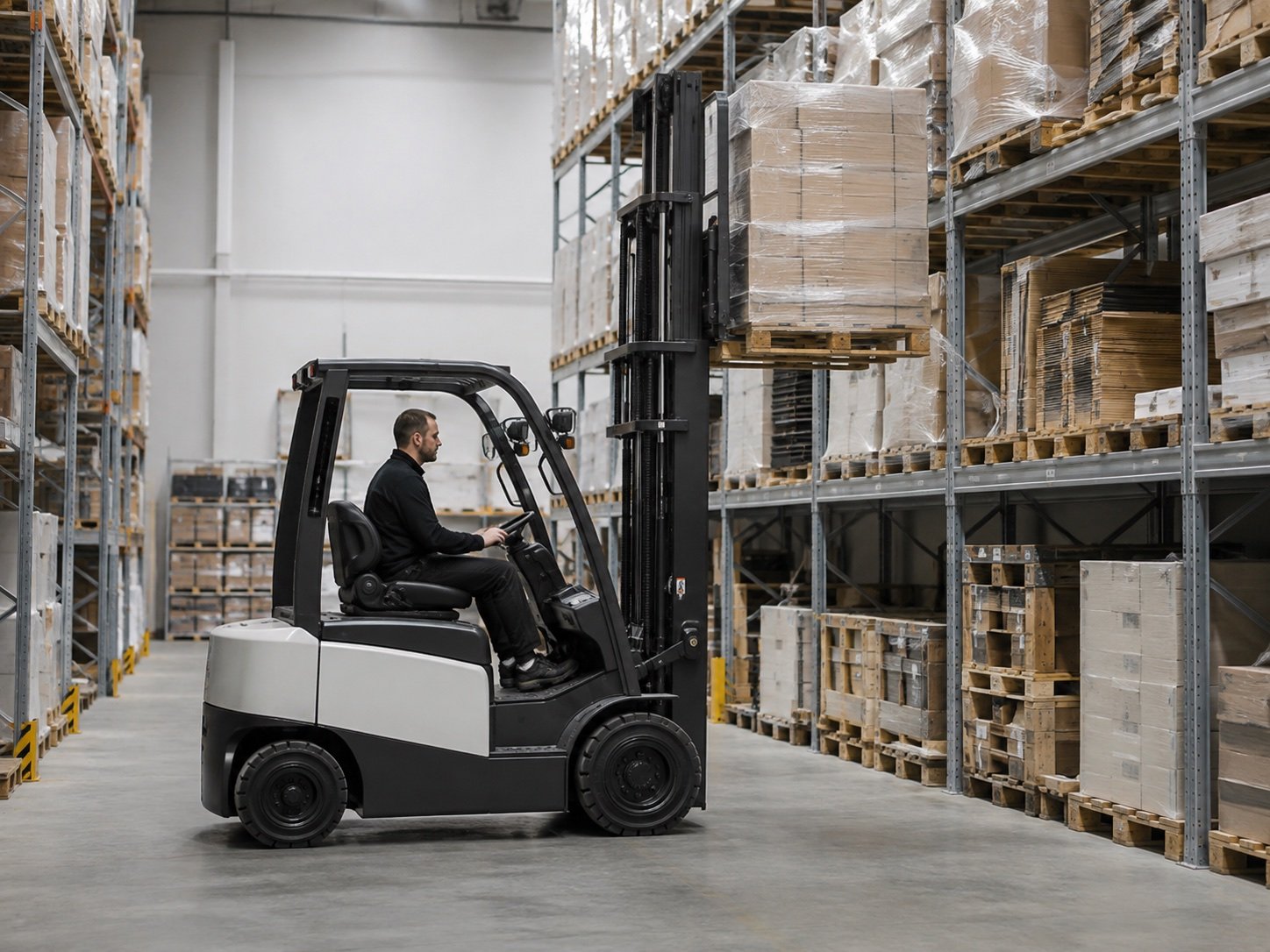
Compare power, operating environment, shift pattern and site infrastructure before choosing a truck type.
Compare the two options ↗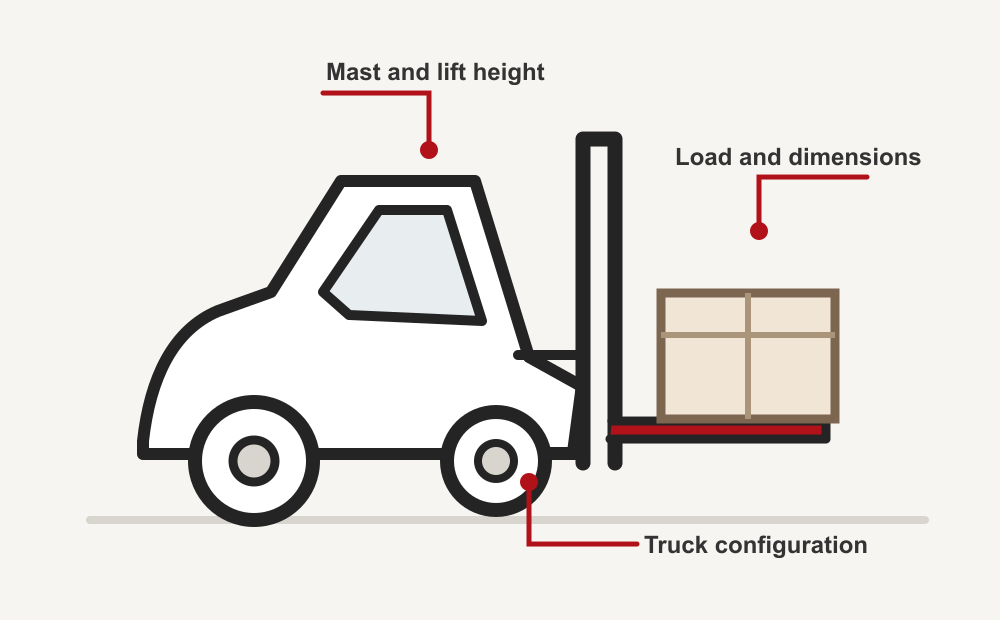
Record the load, lift, mast, surface, space, duty and any attachment. Add quantity and destination if known.
See the quotation checklist ↗For clean indoor handling with suitable charging, review the electric forklift range. For outdoor or mixed-site duty where fuel and ventilation arrangements fit, review IC forklifts. Electric trucks may not fit an unverified rough surface or charging gap; IC trucks may not fit poorly ventilated indoor spaces. Check the mast, tyres, load centre and capacity at the actual lift height before choosing a model.
Match the load and the attachment
The load shape and handling task determine the attachment. Truck capacity, mast height, carriage, hydraulics and capacity at the actual working point still need checking.
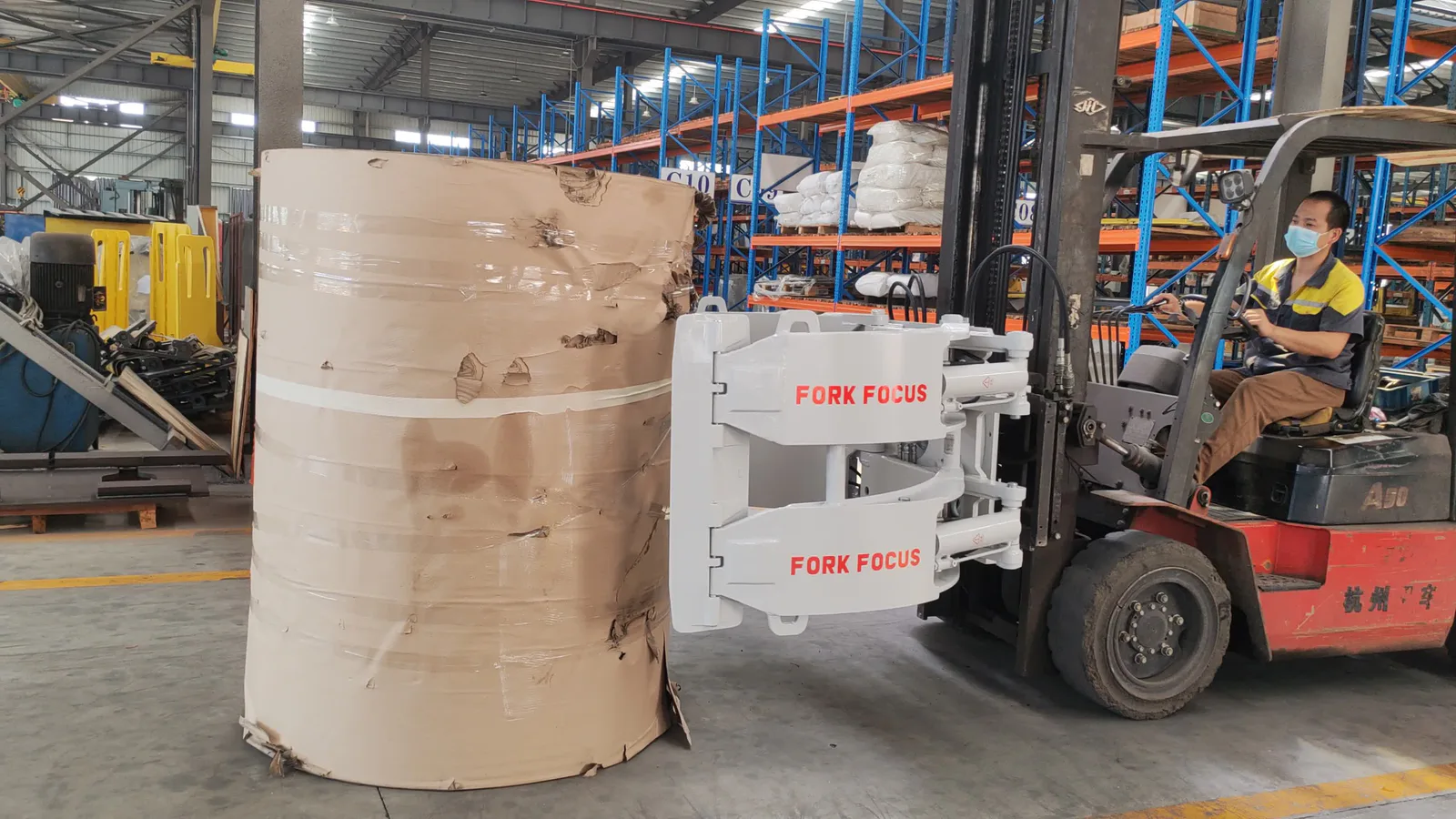
Compare roll dimensions, weight, orientation and clamping requirements with the forklift configuration.
Review paper-roll handling ↗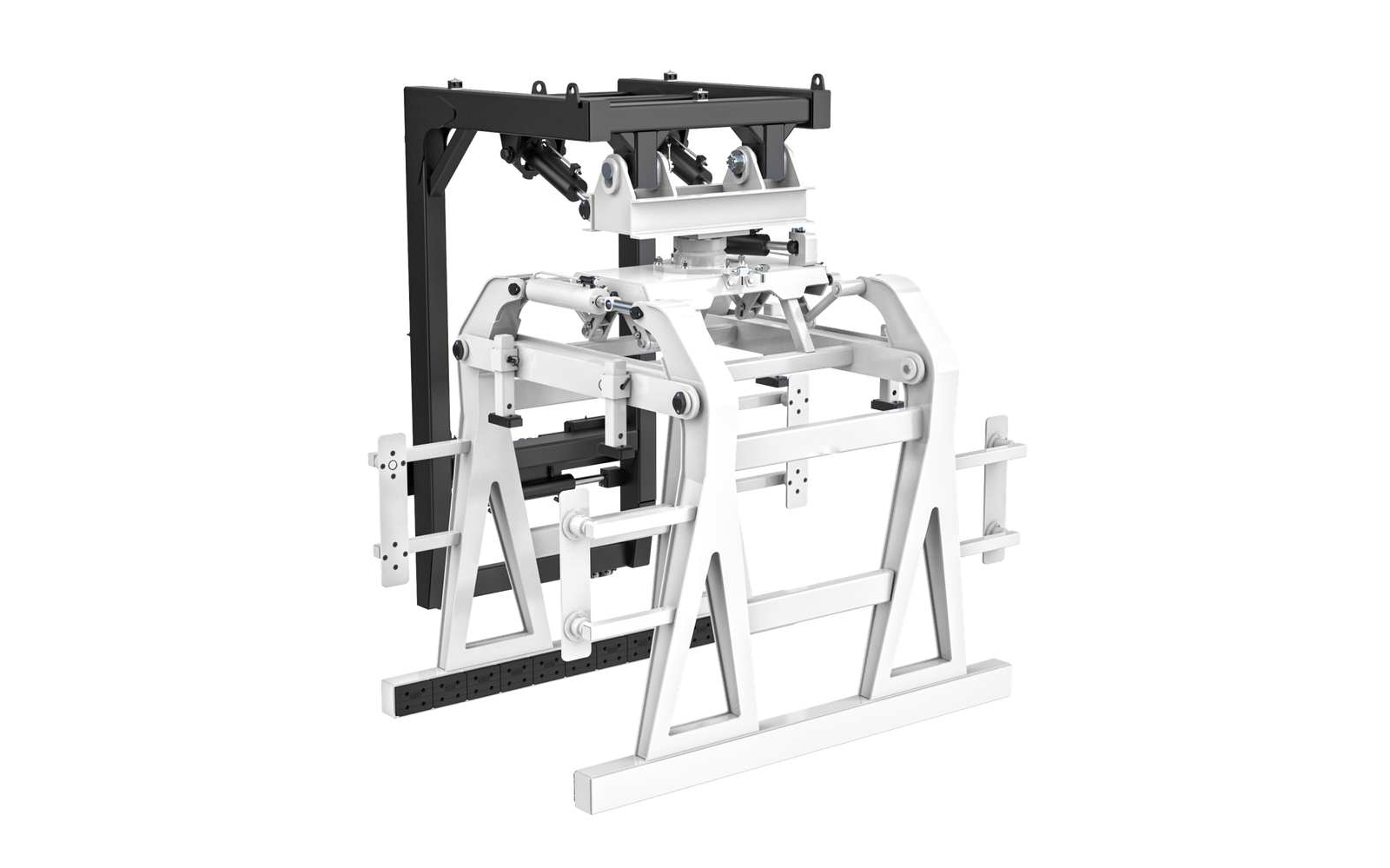
Pack size, wrapping and load stability change clamp choice and the checks needed before a quote.
Review block handling ↗For paper rolls, compare the paper roll clamp with roll size, weight and orientation. For brick packs, review the block clamp against pack geometry and wrapping. Confirm hydraulic functions and attachment-adjusted truck capacity for either choice.
Inspection, delivery and lifetime parts support
The purchase continues beyond model selection. Record inspection and shipping needs, then keep a clear path for replacement-part identification during the truck’s working life.View ForkFocus container-loading and shipping cases alongside the inspection checklist when planning delivery.
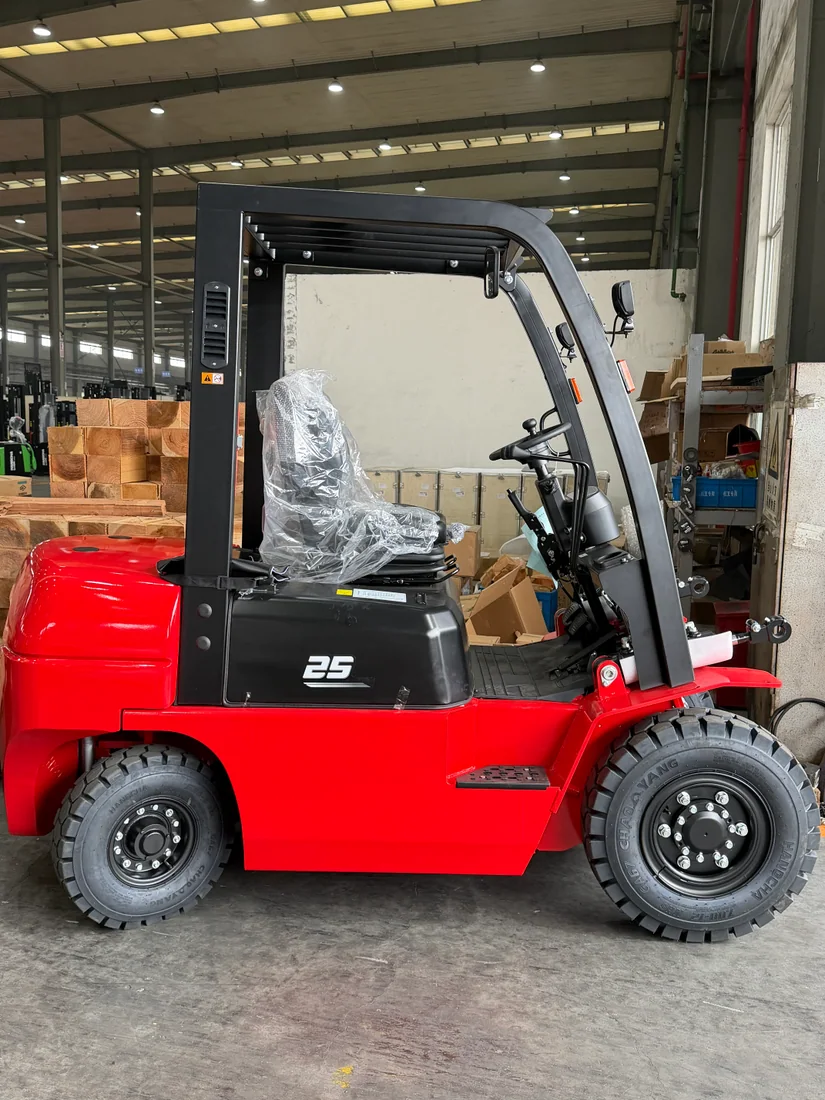
Agree on the configured truck, inspection points, documentation and loading arrangement before dispatch.
Open the inspection checklist ↗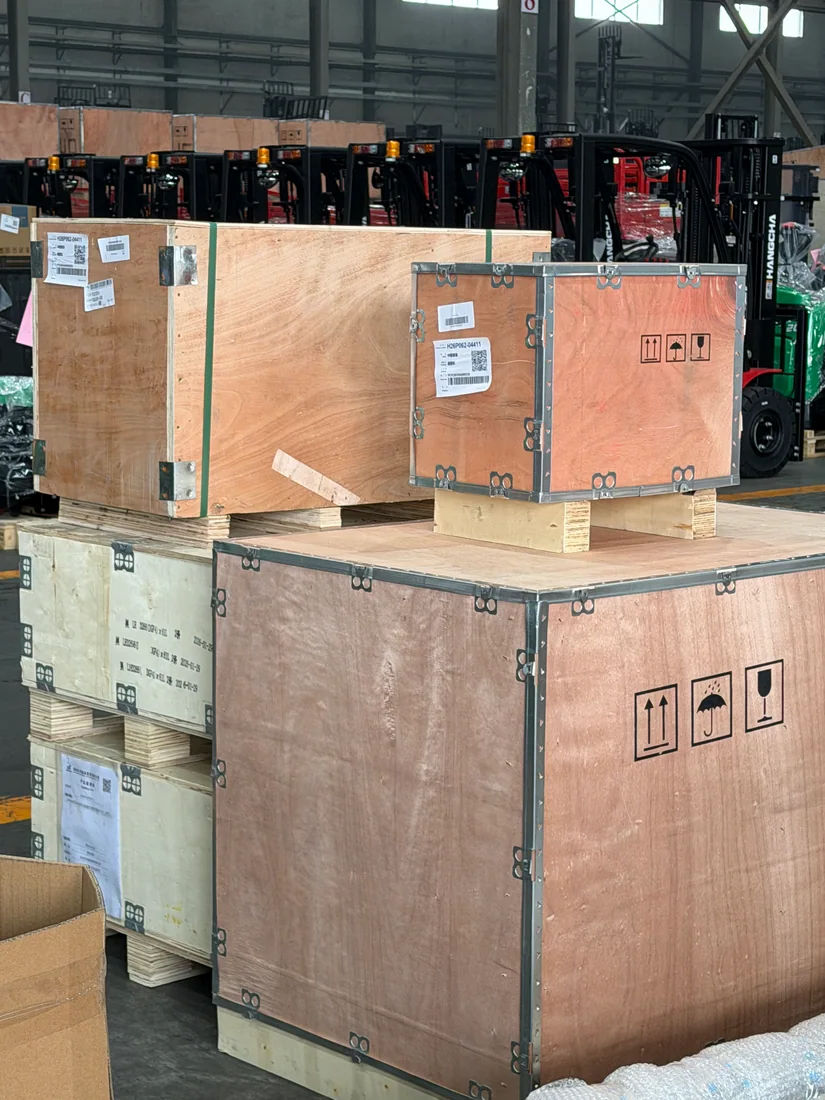
ForkFocus remains a contact for replacement-part identification and supply requests during the equipment’s working life. Send the model, serial number, part number or clear photos. Compatibility and availability are confirmed for each request.
Plan the parts package ↗Discuss your equipment order
Tell ForkFocus which equipment or parts you need and where they will be used.
Send an inquiryTell us what the equipment needs to do
Share the model if you know it. Otherwise, send the load, lift height, site conditions and required handling task. ForkFocus can review the forklift, attachment and parts scope with you.
Send your requirement to ForkFocus ↗Check attachment compatibility ↗