
Forklift Selection for Ramps and Slopes
Measure the ramp before evaluating a truck. Gradient, length, transitions, travel direction, load state, surface, moisture, traction and stopping space control the decision. OEM gradeability must be checked under the manufacturer’s stated conditions, together with tyres, braking, ground clearance, breakover, mast, load centre, power system and sustained thermal duty.
A smooth maintained ramp may suit a verified electric counterbalance forklift or IC forklift. Loose, broken or unmaintained transitions may require a rough-terrain forklift after travel path and load review.
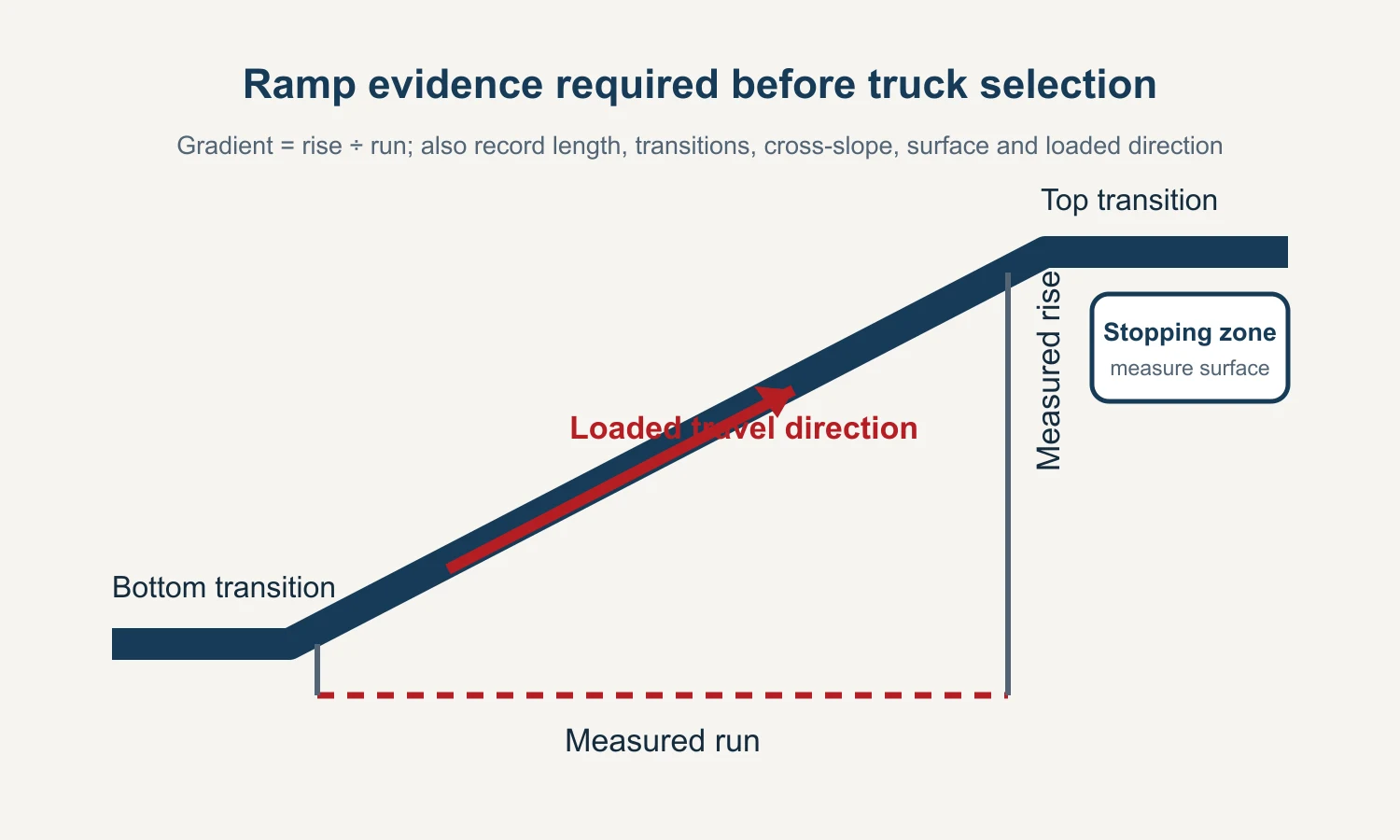
Record rise, run, transitions and loaded travel direction
Gradeability figures are meaningful only under stated manufacturer conditions. The site record must also show surface, weather, cross-slope, stopping zone and repeated duty.
Survey geometry
Measure rise, run, length, cross-slope and top and bottom transitions.
Define loaded travel
Record direction, load orientation, speed, stopping and pedestrian interaction.
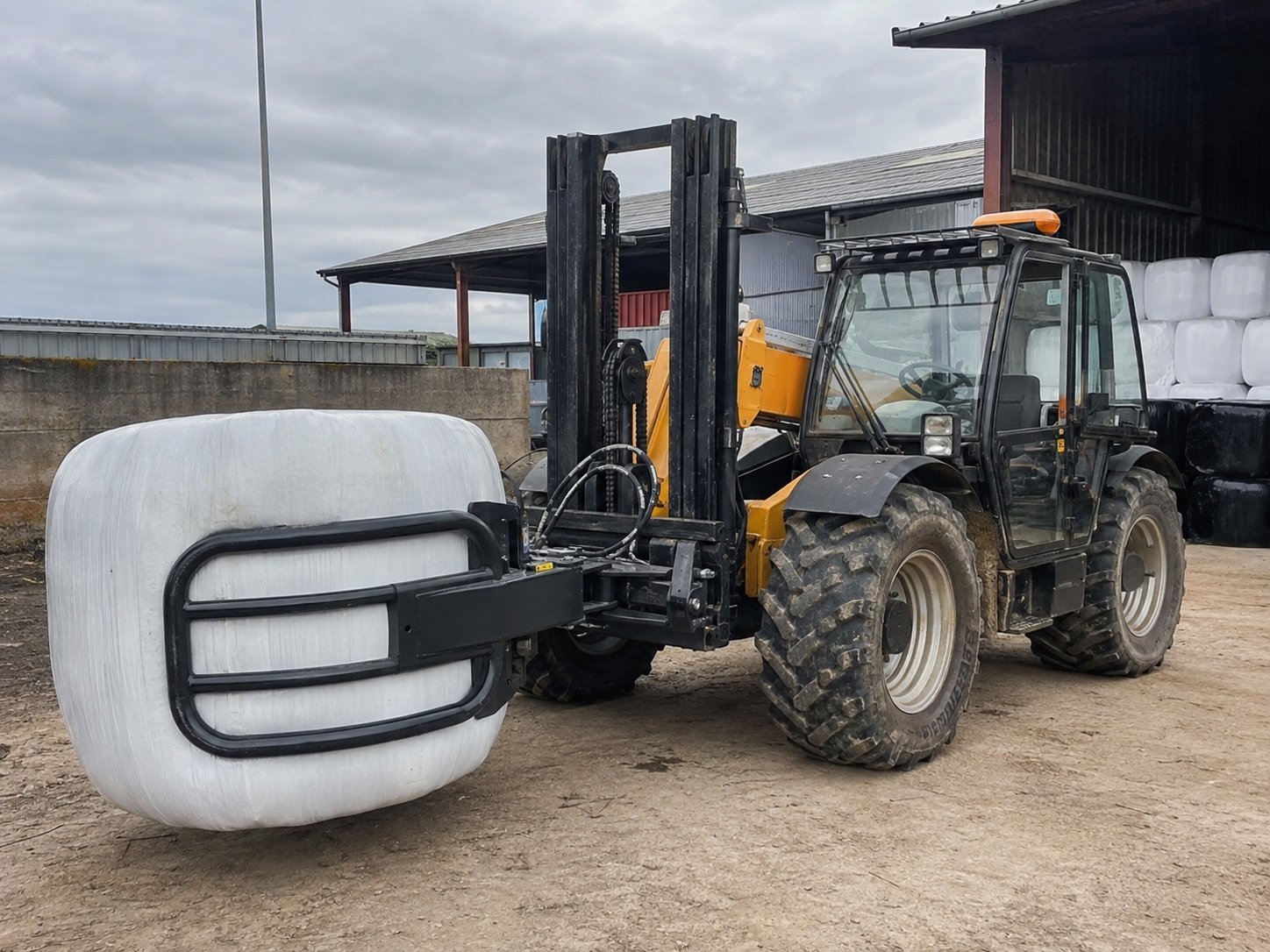
Classify surface
Document material, joints, contamination, drainage and wet-weather condition.
Check chassis mechanics
Compare tyres, drive, braking, clearance and breakover with the measured travel path.
Check sustained duty
Review trips per hour, ambient temperature, charging or fuel recovery and thermal limits.
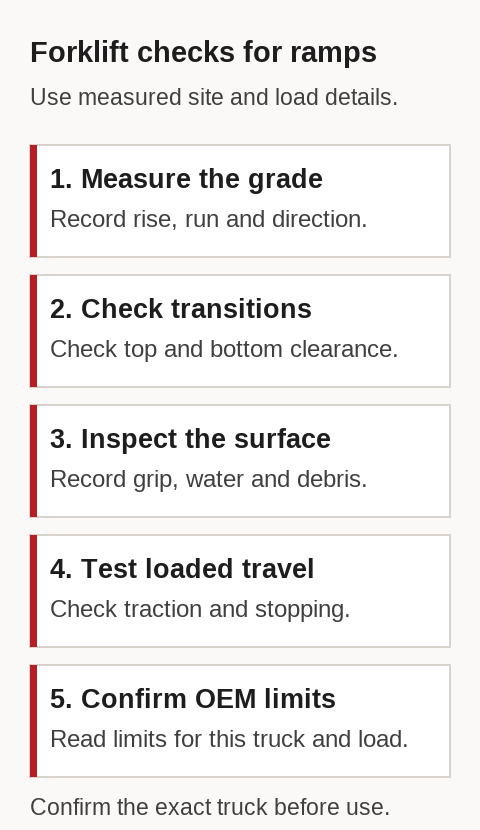
Verify OEM basis
Use the exact model gradeability, braking and load-chart evidence under stated conditions.
Measure the complete travel path, not only the steepest point
A nominal gradeability figure alone does not confirm traction, controlled starting and stopping, clearance, thermal performance or capacity on the real ramp, especially when the surface, load direction and weather change.
Ramp geometry
Measured rise, run, gradient, length, top and bottom transitions and cross-slope.
Travel condition
Loaded or unloaded direction, load orientation, speed, stops and pedestrian interaction.
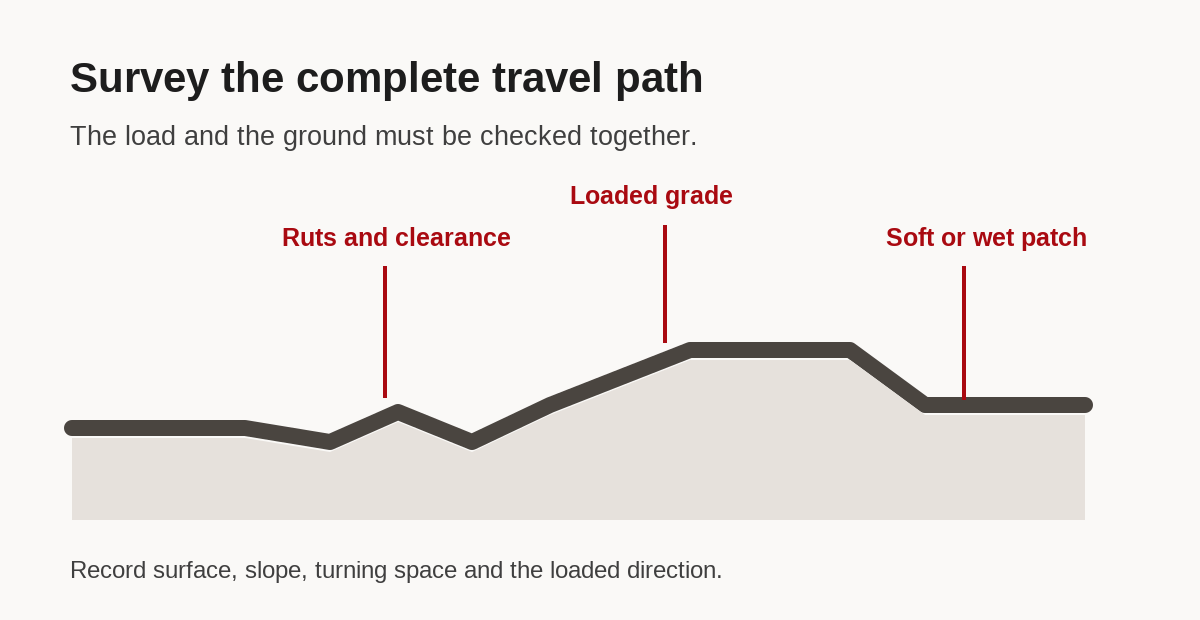
Surface and weather
Concrete, steel, loose material, contamination, rain, ice, drainage and traction.
Truck mechanics
Drive layout, tyres, braking, ground clearance, breakover and manufacturer gradeability basis.
Duty and thermal load
Trips per hour, ramp duration, ambient temperature, cooling and battery or fuel recovery.
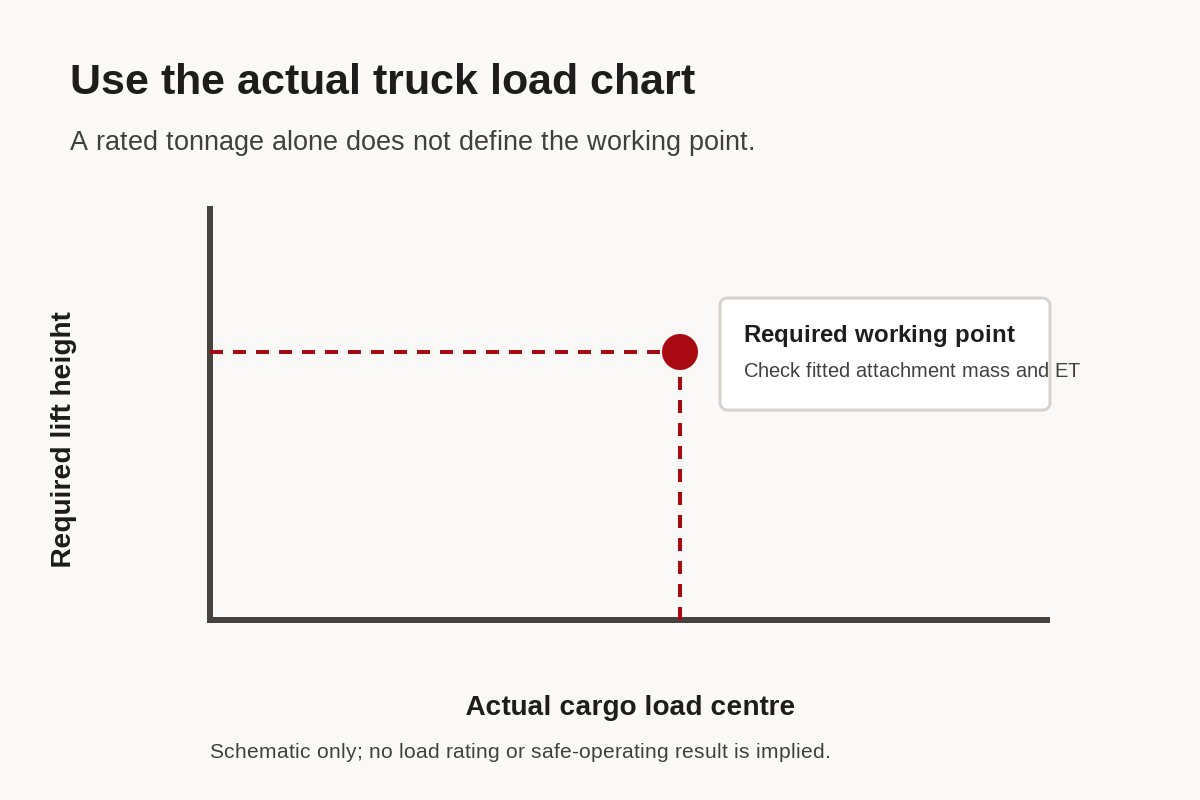
Capacity and mast
Load centre, travel position, lift height after the ramp and exact model limits.
Traction and clearance do not replace braking evidence
Tyres or ground clearance may help one travel path feature while changing deflection, stability, access and exact model availability. Braking and thermal duty remain separate checks.
Pneumatic traction
May help on rougher surfaces while changing deflection, maintenance and exact truck compatibility.
Electric operation
May suit indoor ramps only when battery, controller, braking and charger plan support repeated loaded climbs.
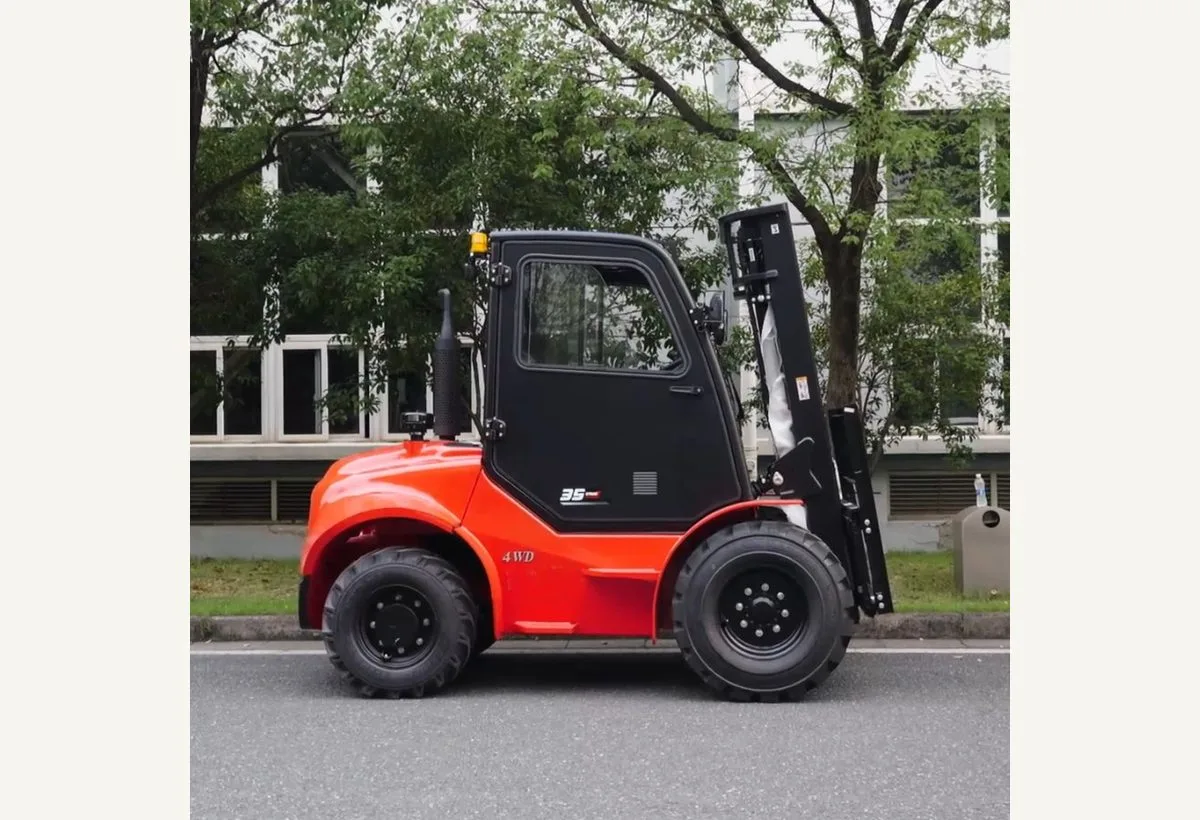
Higher clearance
Can protect transitions but may require a different chassis and change access or stability.
Ramp-selection errors that photographs cannot resolve
- Using an unladen gradeability figure for loaded operation
- Estimating gradient from a photograph
- Ignoring breakover at the top and bottom transition
- Assuming dry-surface traction applies in rain or contamination
Forklift options after the ramp is measured
A controlled ramp may support electric or IC counterbalance equipment. Rough-terrain equipment is a separate chassis option, not the default answer to every slope.
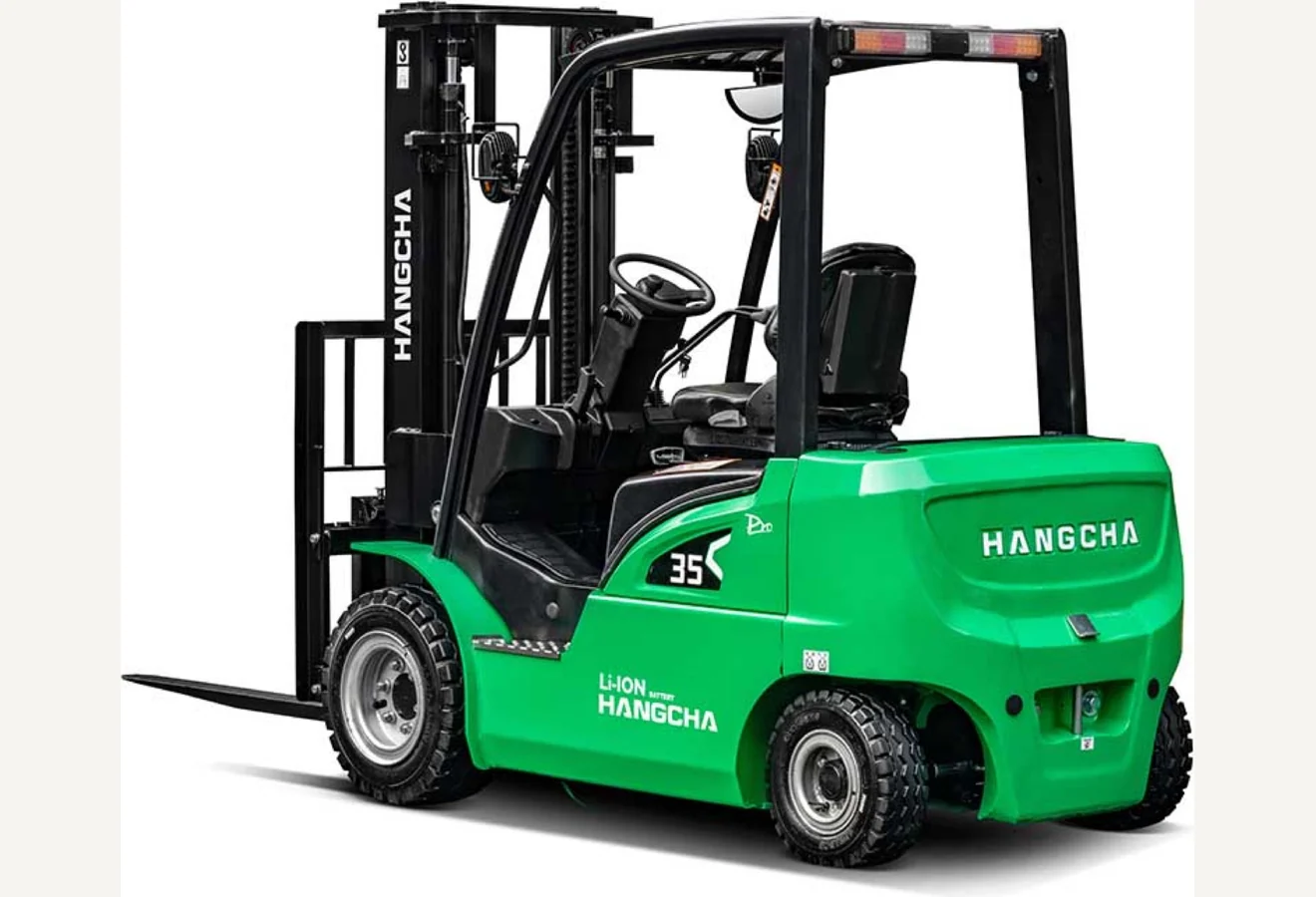
Electric counterbalance forklift
Suitable operating conditions: May fit smooth indoor or controlled ramps when load, gradient, traction, braking, thermal duty and charging all pass.
Consider another option when: Review IC or specialist terrain equipment when grid capacity, sustained ramp duty, surface or outdoor conditions exceed the electric plan.
Check before quotation: Gradient, load direction, tyre, braking, battery duty, mast, load centre and OEM evidence.
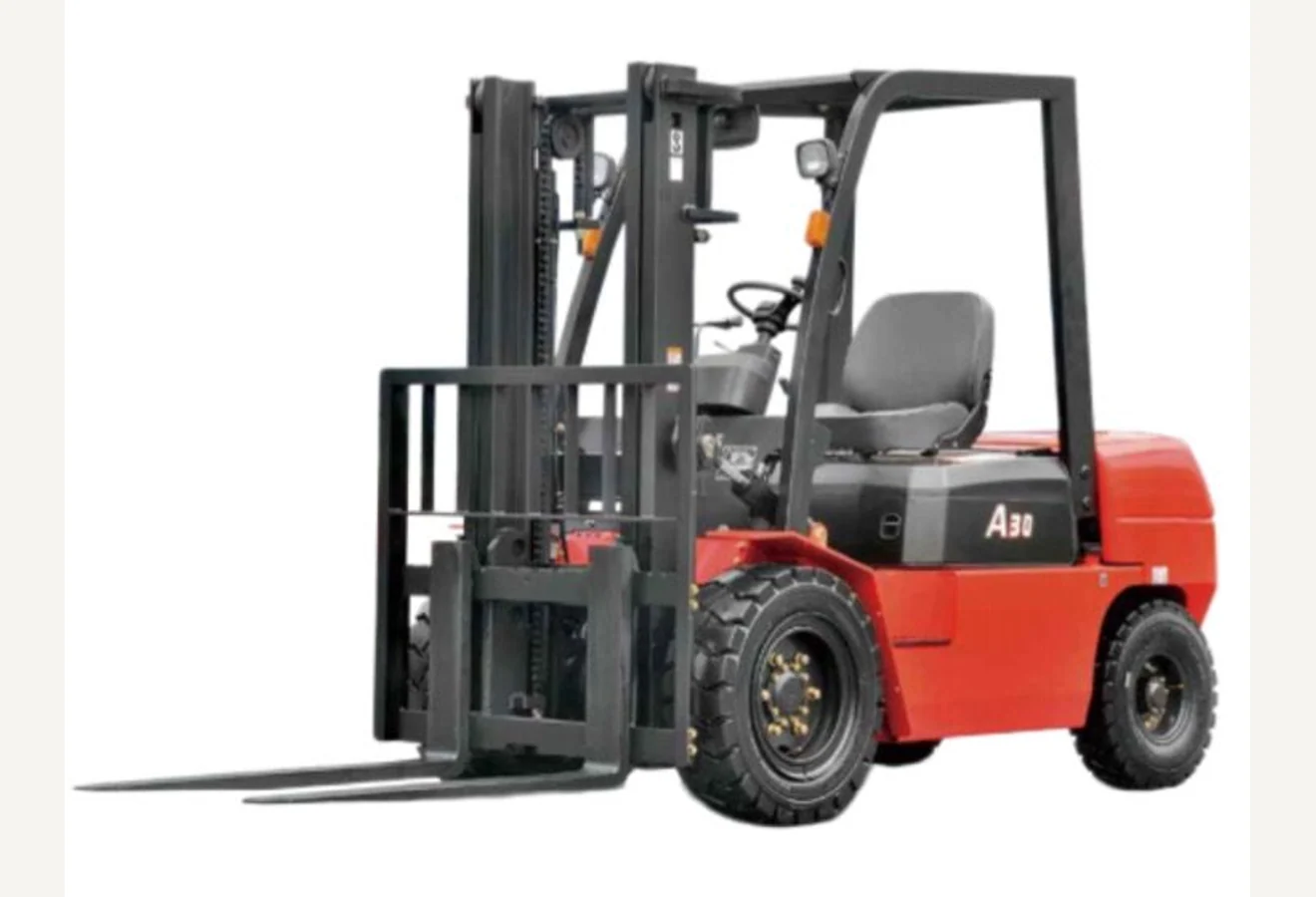
IC counterbalance forklift
Suitable operating conditions: May fit ventilated mixed-site work where rapid refuelling, traction and sustained thermal performance suit the measured ramp.
Consider another option when: Review electric or rough-terrain equipment when emissions, surface, clearance or travel path conditions point elsewhere.
Check before quotation: Gradient basis, surface, tyre, cooling, braking, clearance, mast and load chart.
Discuss your forklift requirements
Send a model, quantity and destination, or describe the load and lifting task.
Request a forklift quotationComplete the ramp and truck assessment
Use the measured gradient, surface and loaded direction to review tyres, forklift type, braking, service and RFQ evidence.
Plan tyre, brake and thermal inspections around ramp duty
Repeated loaded climbs and descents can change tyre, brake, battery or cooling demand. Record inspection intervals against trips per hour, surface contamination, ambient conditions and the selected truck evidence.
- Tyre condition and verified traction basis
- Brake and parking-brake inspection for the travel path
- Battery, controller or cooling checks for repeated climbs
Evidence required before a truck is assigned to the ramp
No universal safe slope is stated. Confirm measured geometry, actual loaded direction, surface condition and the selected manufacturer’s gradeability, braking, traction, clearance and duty limits for the exact configuration.
Review the existing ForkFocus dock-ramp pageSend Your Ramp Measurements and Load Data
Provide the following data so the quotation can state the truck, mast, power, tyre, attachment, capacity-verification and support scope without guessing.
Send these details to ForkFocus- Measured rise, run, gradient and length
- Top and bottom transition dimensions
- Surface and wet-weather photographs
- Loaded/unloaded travel direction
- Load weight, dimensions and centre of gravity
- Trips per hour, shifts and ambient conditions
- Power, tyre and braking preferences
- Truck evidence, mast and downstream lift height
Questions about forklift selection for ramps
Can gradient be estimated from a site photograph?
No. Measure rise and run and also record length, transitions, cross-slope, surface and loaded travel direction.
Is the highest gradeability number the correct selection value?
Not by itself. Confirm whether it is laden or unladen, the speed and duration basis, tyre and surface assumptions, and the exact model conditions.
Does rough surface automatically require a rough-terrain forklift?
No. Surface, transitions, clearance, traction, travel path access and duty must be assessed together before choosing a chassis.