
Forklift Battery Charger and Site Power Compatibility
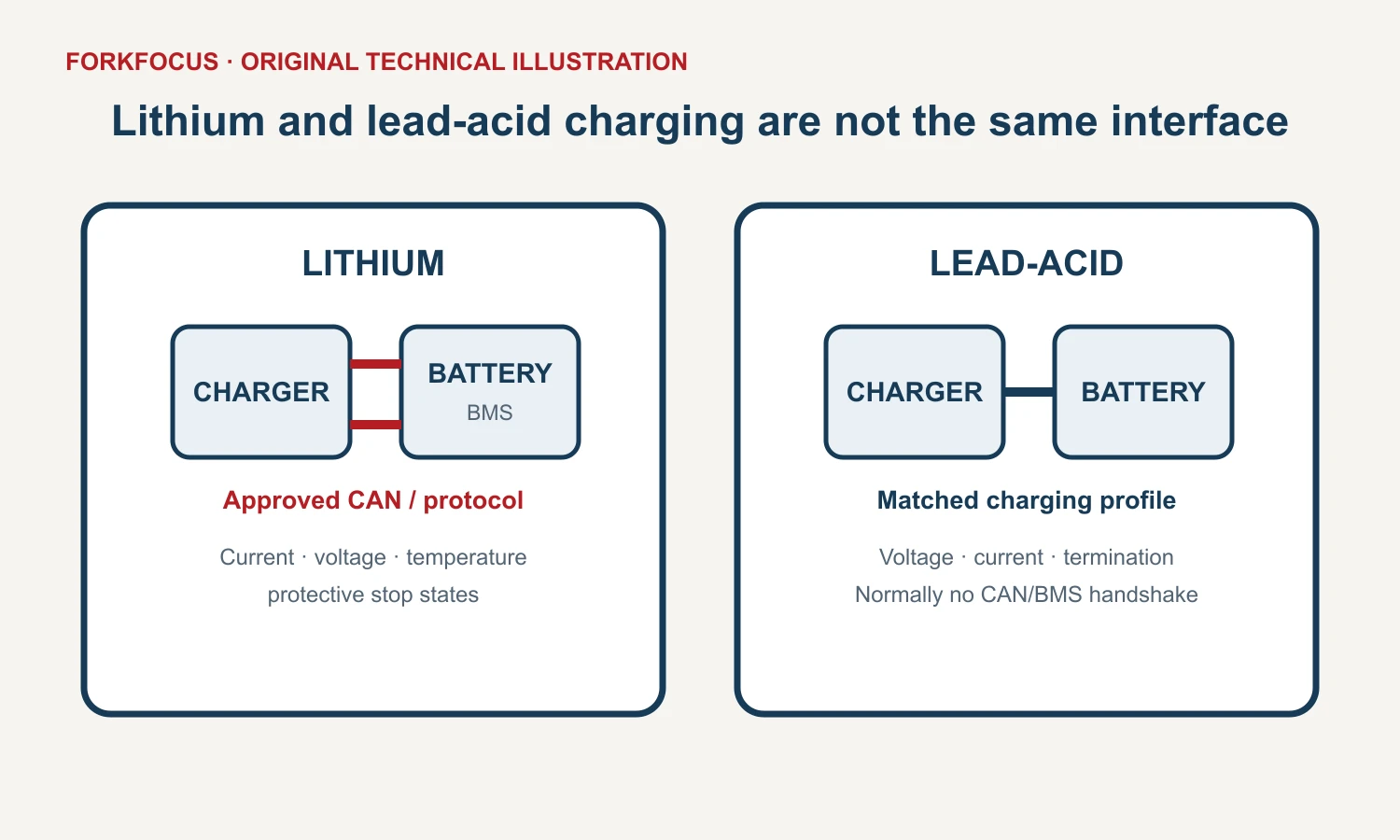
Battery chemistry alone does not establish charger compatibility. For a lithium forklift battery, the charger must use the battery supplier’s approved communication protocol—commonly CAN—to exchange permitted current, voltage and protection states with the battery-management system (BMS).
A missing or mismatched communication link can prevent coordinated over-temperature and over-voltage shutdown and can damage the battery or create a fire risk. Conventional lead-acid charging normally does not require this CAN/BMS handshake.
The battery, charger and site supply must be confirmed before an imported electric forklift is released. Battery chemistry selection can also be reviewed in the local lithium versus lead-acid forklift battery guide.
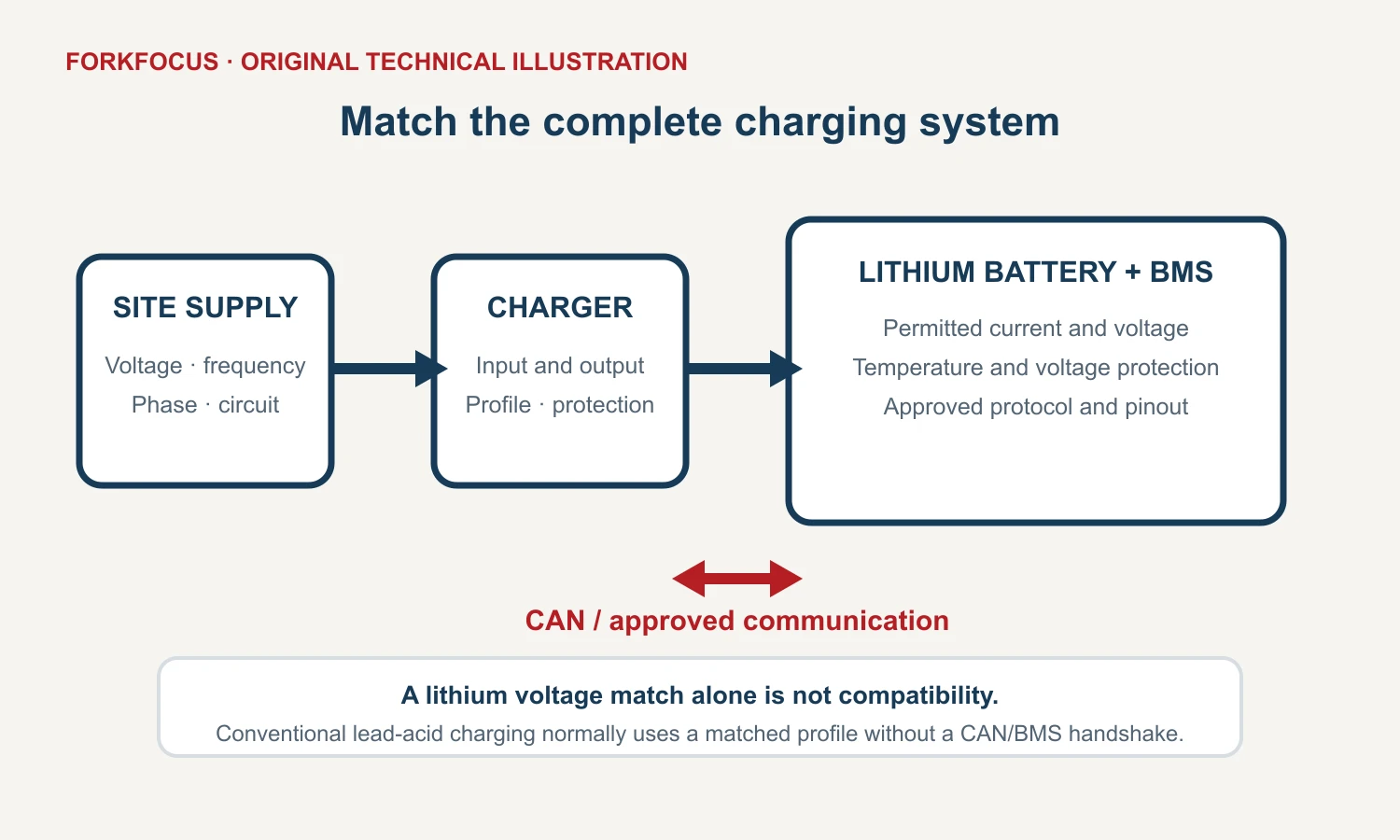
Trace the energy chain across site supply, charging and truck duty
Site voltage, frequency and phase must match charger input. For lithium, charger output must also follow the BMS limits through the approved protocol—commonly CAN. Conventional lead-acid charging normally has no CAN/BMS handshake.
Measure site supply
Record actual voltage, frequency, phase, available circuit, earthing and installation conditions.
Read charger input
Verify input range, current, termination, cable and protective-device requirements.
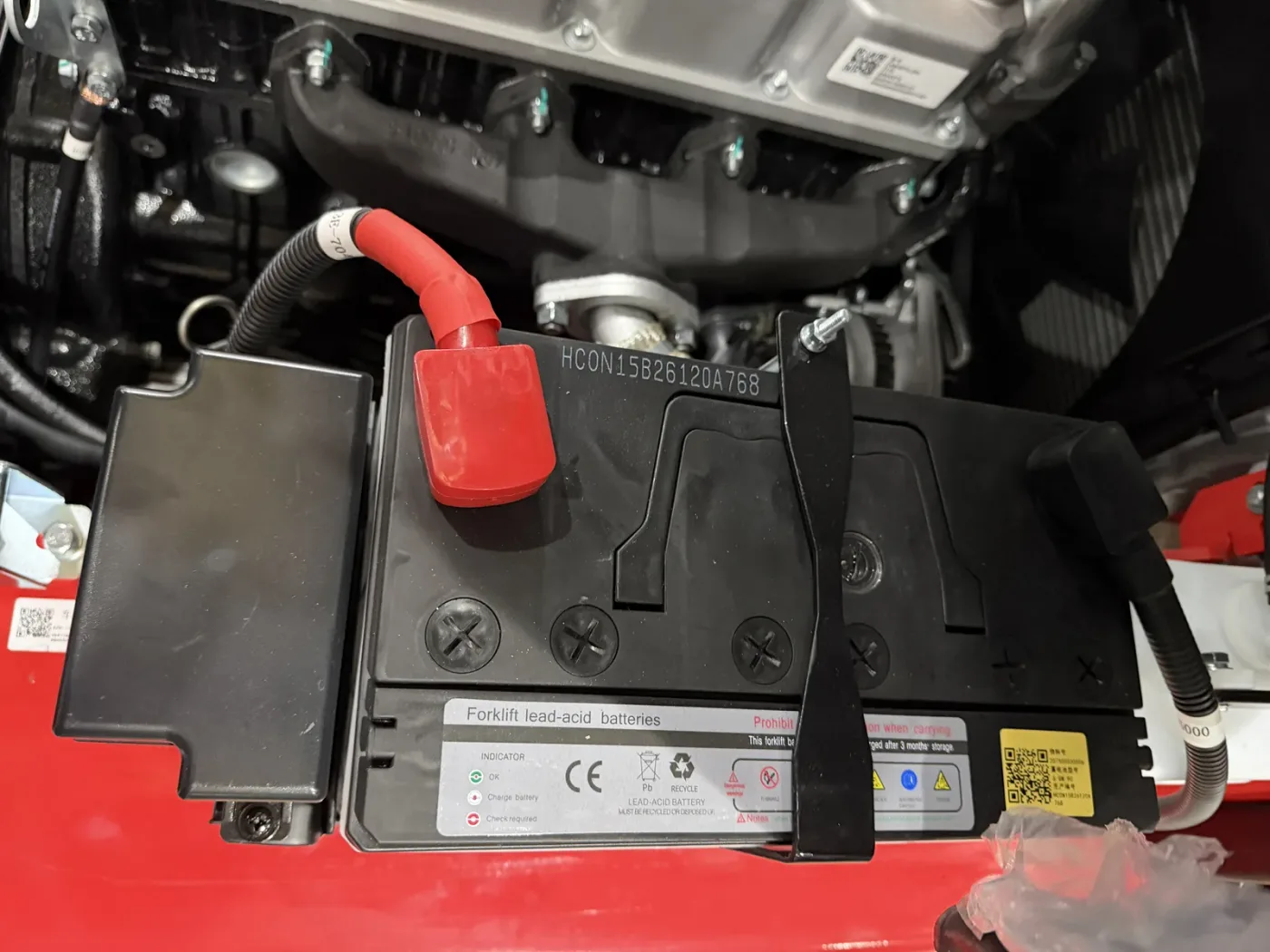
Identify battery and BMS
Confirm chemistry, nominal voltage, capacity, BMS make, approved profile and communication version.
Prove charger-to-BMS communication
For lithium, verify the approved protocol—commonly CAN—wiring, pinout, live current/voltage limits and protective stop states.
Match charger output
Confirm the output range, charging curve and connector against the battery/BMS authorization.
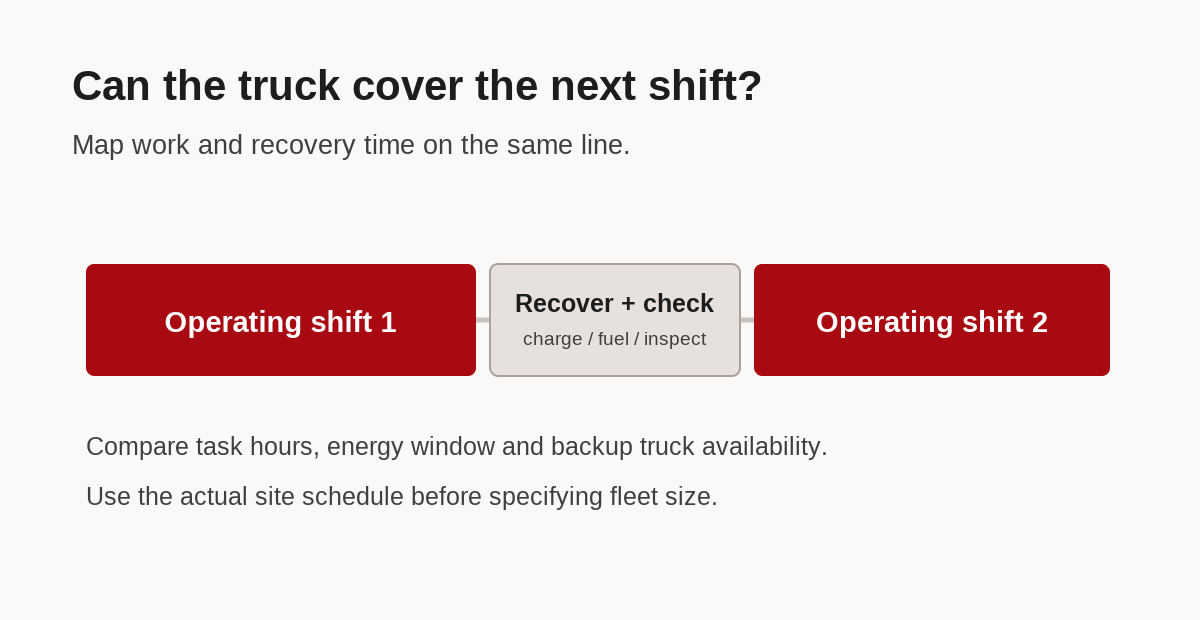
Prove the duty plan
Check shifts, charging windows, ambient temperature, energy use and recovery margin.
Match the site, charger, battery and BMS communication before shipment
Selecting battery chemistry does not establish charger compatibility; battery voltage and capacity, charger input and output, connector, site voltage, frequency, phase, charging window and environment must match.
Battery identity
Manufacturer, chemistry, nominal voltage, capacity, BMS identity and approved charging profile.
Lithium communication
Approved protocol and version—commonly CAN—plus BMS/charger compatibility, connector pinout and fail-safe behaviour.
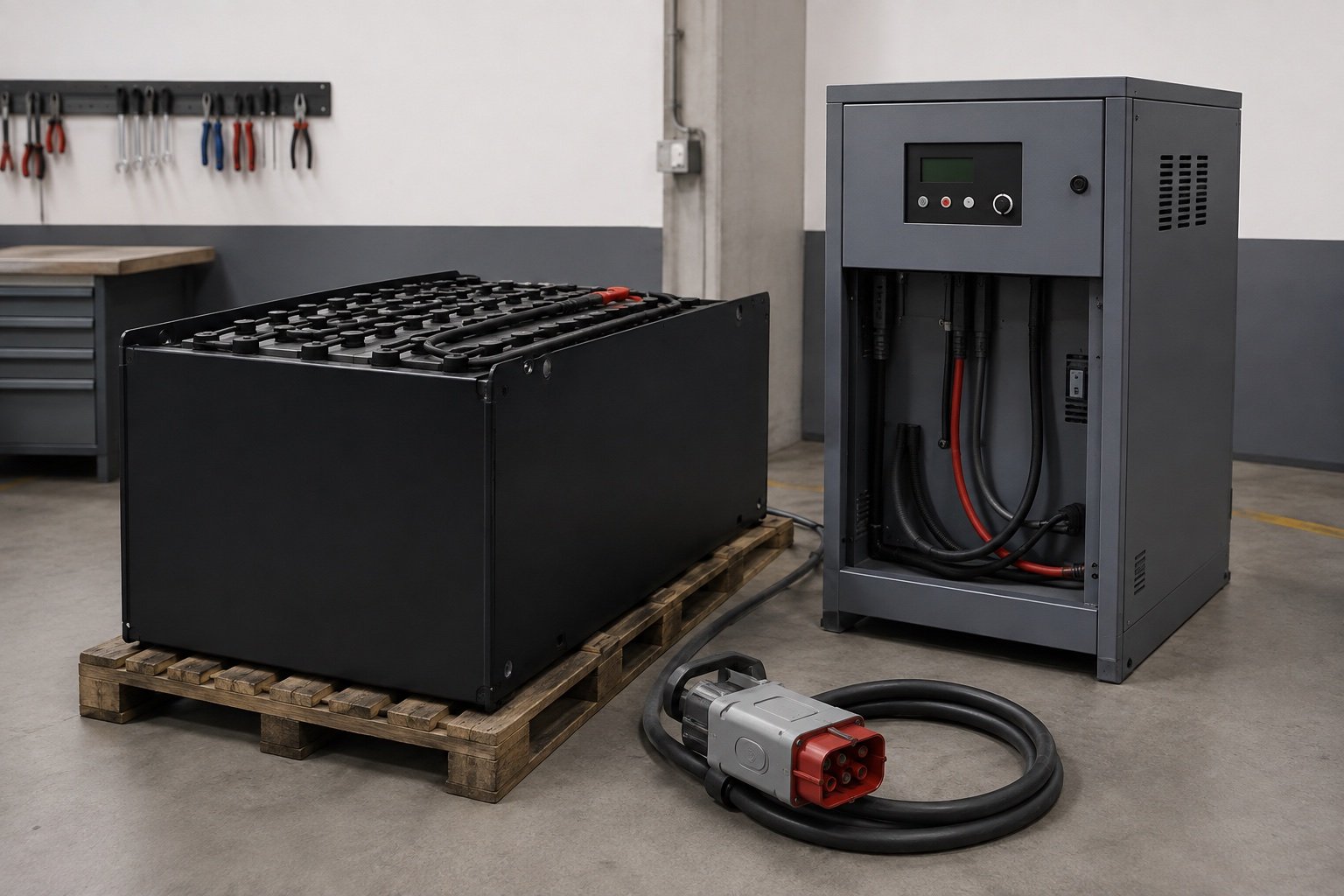
Charger output
Output voltage/current range, charging curve, BMS-commanded limits and battery connector.
Charger input
Rated input voltage, frequency, phase, current, plug/termination and protective device.
Destination supply
Measured site supply, distribution capacity, earthing, cable layout, ventilation and local installation review.
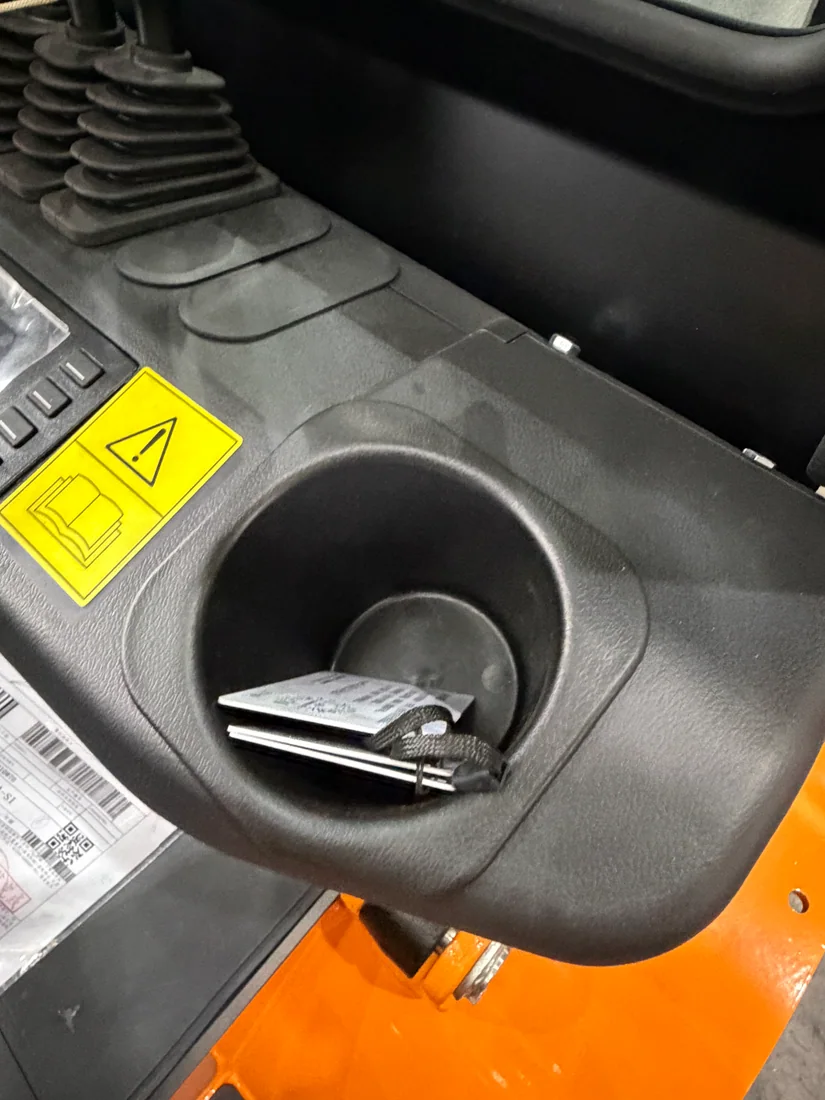
Duty and charging
Shifts, operating hours, energy use, charging windows, ambient temperature and opportunity-charging plan.
Charging speed is limited by the complete system
A larger charger does not create a safe faster charge unless the battery, connector, cable, protection, site capacity, thermal limits and approved profile all support it.
Faster charging
May reduce downtime only when the battery, charger, connector, cable and site supply all permit the profile.
Large battery reserve
Can extend duty while adding mass, cost and charging time; exact truck compatibility controls the choice.
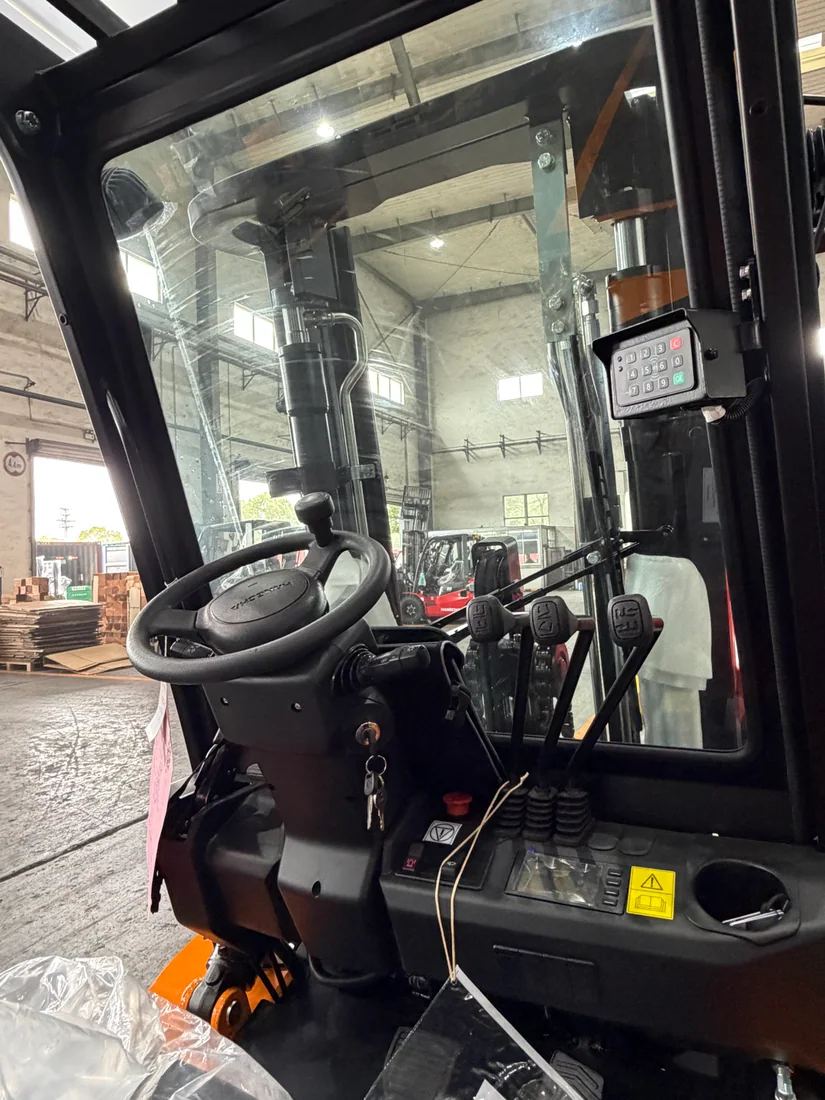
Portable assumptions
A charger that works at the factory may not match destination voltage, phase, frequency, connector or installation rules.
Communication and electrical assumptions that can damage the system
- Inferring site input from destination country alone
- Matching lithium voltage but omitting the approved BMS communication protocol
- Treating connector appearance as proof of wiring or CAN pinout
- Attempting lithium charging after a communication fault or mismatch
- Applying lithium communication requirements mechanically to a conventional lead-acid package
Confirm charger compatibility separately from forklift selection
Charger compatibility does not justify an XE-versus-XC claim. Compare electric forklift options independently of charger compatibility; chemistry is resolved in the separate battery guide.
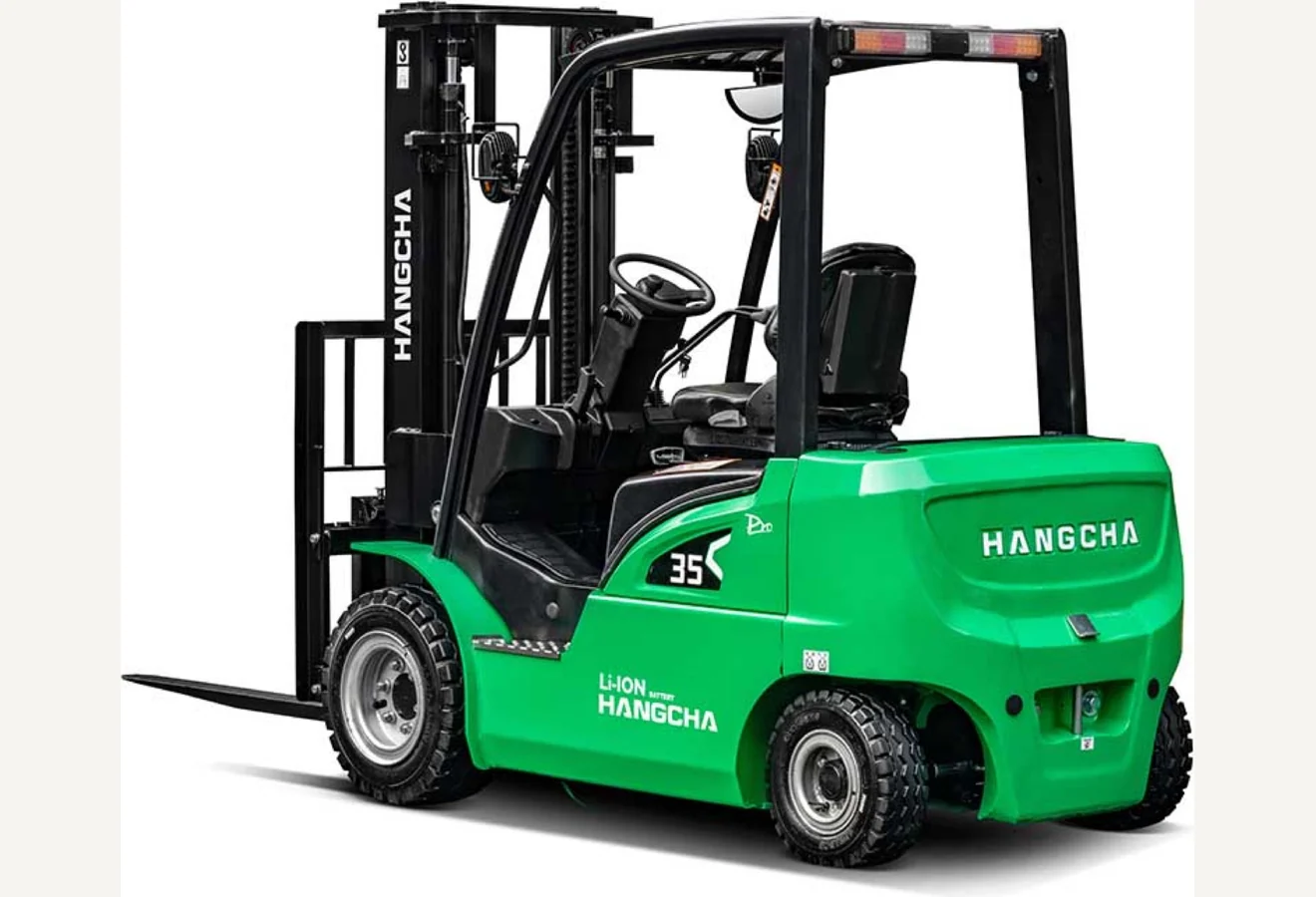
Electric counterbalance forklift category
Suitable operating conditions: Compare electric counterbalance forklifts for the handling task, then confirm battery and charger compatibility for the selected series.
Consider another option when: Review another forklift type or energy arrangement if capacity, the operating path, climate, charging time or site electrical supply is unsuitable.
Check before quotation: Exact model, battery, charger input/output, connector, site supply, duty and load chart.
Battery chemistry comparison guide
Suitable operating conditions: Use the local comparison when chemistry, charging window, maintenance and duty still need to be resolved before a truck family is narrowed.
Consider another option when: Proceed directly to exact electrical verification when the ordered battery chemistry and truck configuration are already fixed.
Check before quotation: Battery identity, duty, charging window, ambient conditions, maintenance plan and approved charging profile.
Discuss your forklift requirements
Send a model, quantity and destination, or describe the load and lifting task.
Request a forklift quotationComplete the battery, charger and site-power specification
Connect battery chemistry and BMS communication to charger selection, site supply, fleet duty, service evidence and RFQ data.
Keep labels, connectors and commissioning records with the truck
The support package should retain readable battery, BMS and charger labels, the approved charging profile and communication version, connector and CAN pinout, cable and protection requirements, fault records and the destination commissioning record.
- Battery, BMS and charger identity archive
- Connector, CAN pinout, cable and protection-device specification
- Approved profile, communication version and commissioning record
Electrical evidence required before configuration release
ELECTRICAL CONFIGURATION CONFIRMATION REQUIRED — for lithium, verify the approved charger/BMS protocol, software or parameter version, CAN wiring and pinout, current/voltage limits and protective stop behaviour before charging. For lead-acid, verify the matched voltage, current and charging profile without inventing a CAN/BMS requirement. Site supply, connector, cable and protection still require qualified project review.
Compare lithium and lead-acid duty requirementsSend Your Site Power and Battery Data
Provide the following data so the quotation can state the truck, mast, power, tyre, attachment, capacity-verification and support scope without guessing.
Send these details to ForkFocus- Destination country and measured site supply
- Voltage, frequency, phase and available circuit
- Battery label, chemistry, voltage and capacity
- BMS make, approved protocol and communication version
- Charger input/output label and manual
- Connector, CAN pinout and cable photographs
- Shifts, operating hours and charging windows
- Ambient temperature, truck duty and commissioning documents
Questions about forklift batteries, chargers and site power
Is destination country enough to specify charger input?
No. Measure the actual site voltage, frequency, phase and available circuit and confirm the local installation requirements.
Why does a lithium forklift charger need BMS communication?
The BMS provides the charger with permitted current and voltage and can require charging to stop for conditions such as over-temperature or over-voltage. If the approved communication link is missing or mismatched, do not charge the battery.
Does a lead-acid forklift battery need the same CAN handshake?
Conventional lead-acid charging normally does not use a CAN/BMS handshake; it still requires the correct charger voltage, current, profile, temperature and termination controls.