
Forklift fleet configuration for multi-shift operations
Map demand by hour, task and route before selecting truck quantity or energy system. For an electric fleet, plan a compatible spare battery when the available charging windows cannot support continuous use. For three-shift work, favour a truck and configuration rated for sustained heavy duty, with cooling or thermal management suited to the ambient temperature and load cycle. Attachment sharing, maintenance cover and reserve capacity still determine real availability.
This guide compares fleet use of electric forklifts, IC forklifts and warehouse equipment across consecutive shifts.
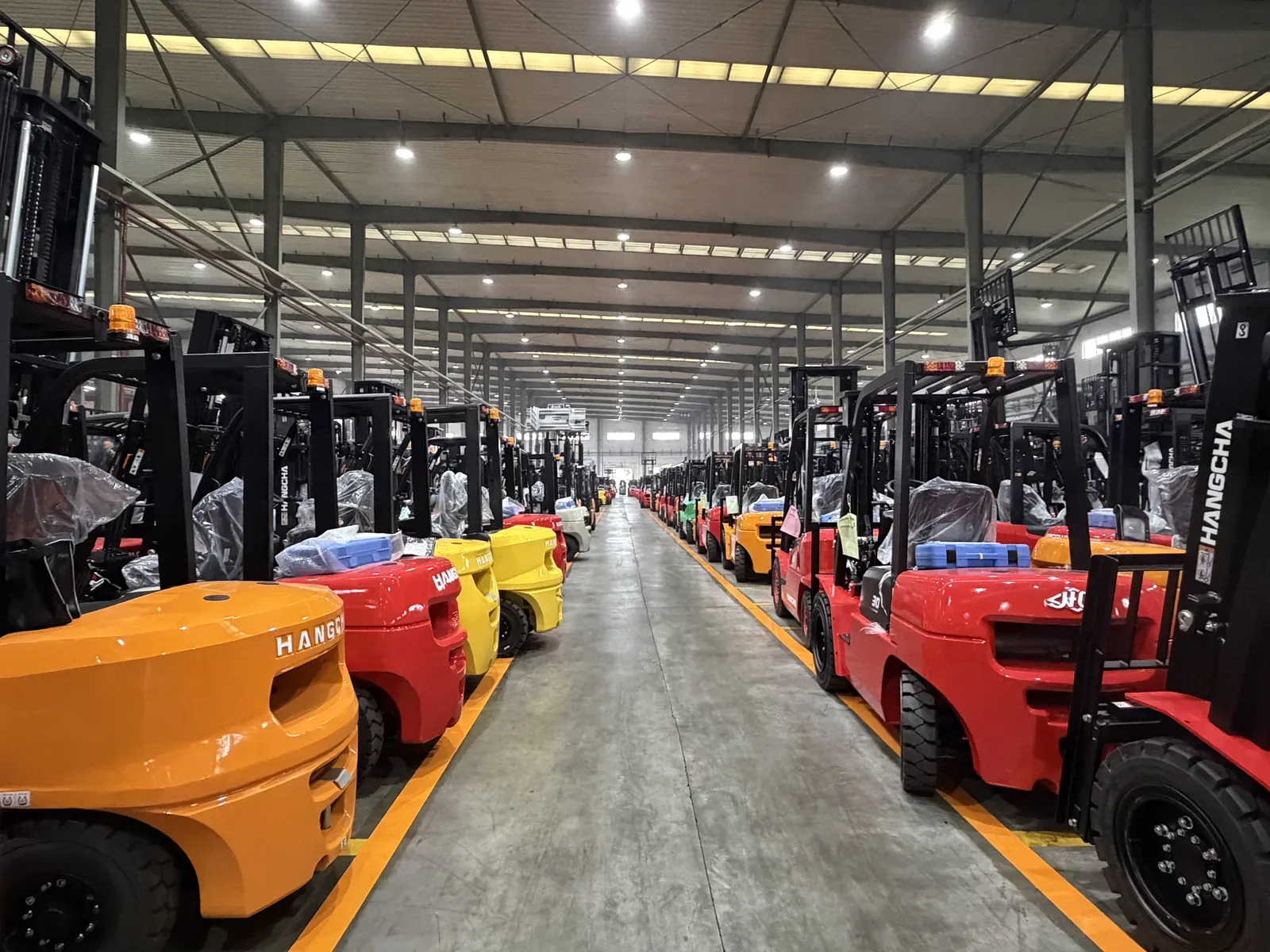
See battery change and warehouse operation in a real duty context
This ForkFocus landscape video shows an operating and battery-change context relevant to multi-shift planning. Actual fleet availability still depends on workload peaks, charging windows, battery quantity and maintenance coverage.
Workload and energy data that determine fleet availability
How should a forklift fleet be configured for multi-shift operation?
Demand profile
Moves per hour, peak windows, travel, lift and waiting time by task
Electric continuity
Charging windows, charger capacity and a compatible spare battery where continuous use requires battery change
Three-shift duty
A model and configuration suited to sustained heavy duty, with adequate cooling or thermal management
Truck roles
Dedicated or shared trucks for receiving, storage, production, yard and loading
Attachment plan
Fixed vs shared attachments, changeover time and residual-capacity requirements
Availability
Planned maintenance, tyre/consumable service, breakdown exposure and reserve strategy
Standardisation
Common components and controls balanced against different application needs
Multi-shift availability is a time-and-task calculation
A fleet that covers average daily volume can still fail during shift overlap, charging, refuelling, heat build-up or maintenance. The useful question is which truck role must be available in each time window.
Map peak demand and recovery windows
Do not multiply a single truck specification across the fleet before the work schedule is known.
Electric trucks need a battery continuity plan
Where charging windows cannot recover the energy used, specify a compatible spare battery and confirm the charger, change method, safe handling and battery allocation.
Three shifts require sustained-duty capability
Select a model and configuration suitable for heavy utilisation, then verify cooling or thermal management, ambient temperature, manufacturer duty guidance and maintenance windows.
Fleet choices that determine shift coverage and resilience
Standardisation, utilisation, energy windows and shared attachments influence how many trucks remain available.
Standard fleet vs task fit
Standardisation simplifies training and parts, but one truck may be inefficient or unsuitable for every route.
High utilisation vs resilience
Running every truck near full utilisation leaves little recovery capacity for charging, maintenance or peaks.
Shared attachments vs downtime
Sharing can reduce capital cost but introduces availability and changeover dependencies.
Multi-shift planning errors that create avoidable downtime
Average daily volume does not reveal shift overlap, charging, refuelling or maintenance bottlenecks.
- Sizing the fleet from average throughput only
- Assuming opportunity charging is available everywhere
- Ignoring breaks, shift handovers and maintenance windows
- Buying identical trucks before mapping task differences
Powertrain directions after the fleet timetable is mapped
Multi-shift does not automatically mean lithium. Electric fleets may need a compatible spare battery, while three-shift duty requires a model and configuration with adequate sustained-duty and cooling capability. Peak utilisation and recovery windows decide the route.
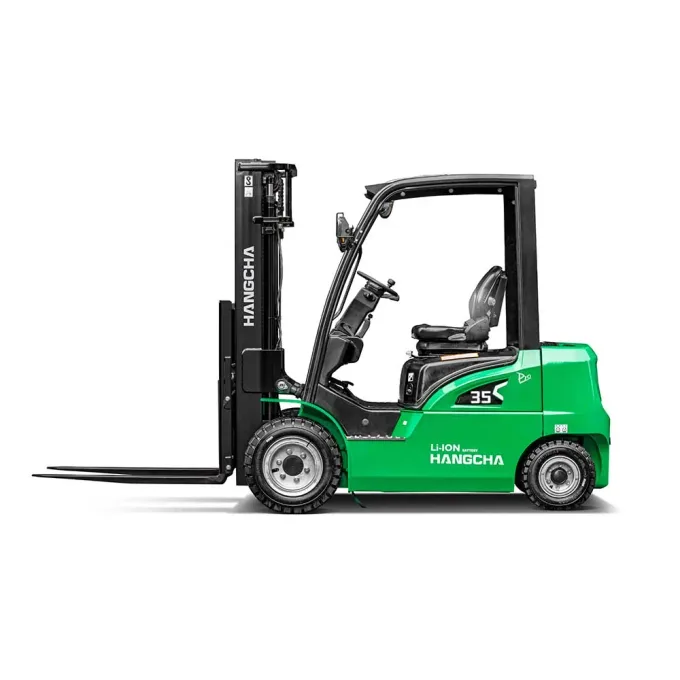
Electric route with charging and spare-battery continuity
XC lithium counterbalance forklifts · 1.5–3.8 t
Why this direction may fit: This direction may fit when charger supply, charging windows and battery allocation can recover the energy used, with a compatible spare battery planned where continuous use requires battery change.
Choose another route when: Choose another energy strategy when shifts leave no workable charging or battery-change window, or temperature, grid capacity and battery duty cannot support utilisation.
Check before quotation: Map hourly tasks, simultaneous demand, charging windows, charger capacity, spare-battery compatibility, safe battery change, temperature, cooling and maintenance cover.
View XC lithium counterbalance forklifts · 1.5–3.8 t
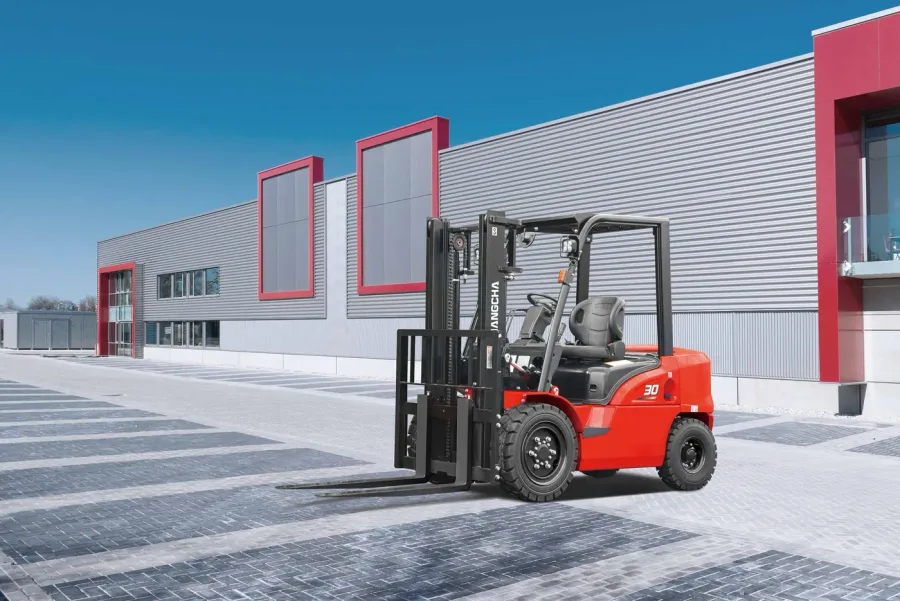
Sustained multi-shift duty with rapid refuelling
X Series IC counterbalance forklifts · 1.5–3.8 t
Why this direction may fit: This direction may fit intensive outdoor or ventilated work where rapid refuelling and a model configured for sustained duty support three-shift availability.
Choose another route when: Choose another powertrain for emission-sensitive indoor work, restricted ventilation or sites without suitable fuel and maintenance support.
Check before quotation: Confirm hourly demand, ambient temperature, cooling or heat-rejection capability, manufacturer duty guidance, refuelling, maintenance windows and reserve trucks.
View X Series IC counterbalance forklifts · 1.5–3.8 t
Build the multi-shift fleet plan
Compare power, battery, equipment allocation and lifecycle routes against the required hourly availability.
Data required for a multi-shift fleet proposal
Provide demand by task and hour, routes, energy access, current downtime and required availability.
Send the shift schedule and task-by-task demand
ForkFocus can match truck roles, energy systems, attachments and reserve capacity to the operating timetable.