
Forklift quotation requirements
An accurate quotation depends on the load and operating conditions—not only a requested truck capacity. Prepare the information below so the forklift, mast, power system and attachment can be reviewed as one configuration.
Six inputs control the configuration
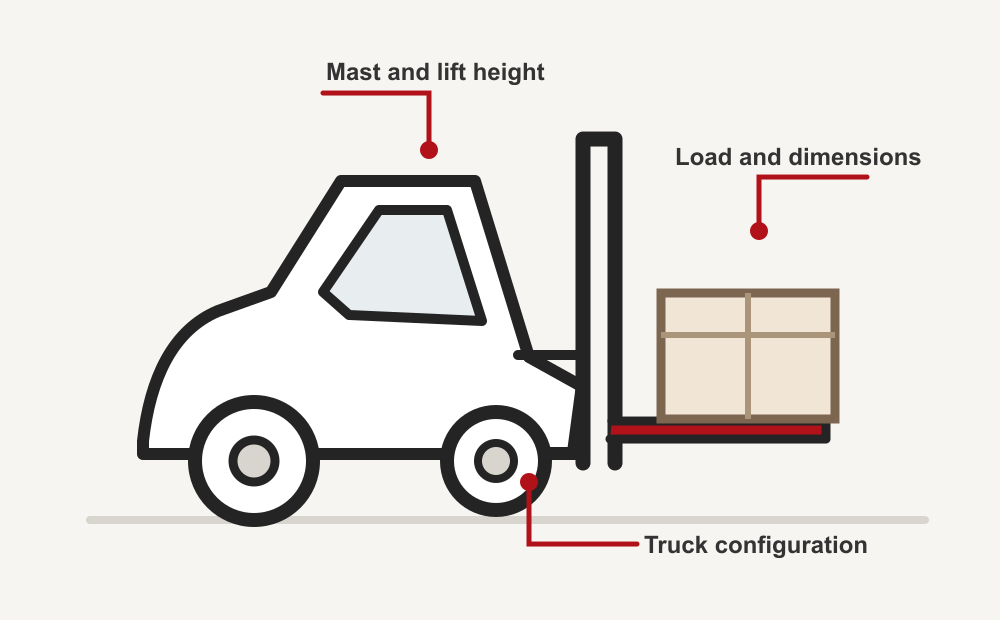
Quotation input diagram—not a model recommendation. Rated capacity is a starting point. Load centre, lift height, mast and attachment geometry can change the usable capacity.
Six configuration inputs—plus commercial scope
The first six inputs determine whether two forklifts with the same nominal capacity can perform the same job. Quantity, destination and trade scope then determine what the quotation must include.
Load
Maximum and typical weight, dimensions, load centre and load type. State whether the load is palletized, long, round, suspended or handled with an attachment.
Lift and mast
Maximum working height, normal working height, door height and required free lift. High lift and non-standard load centres require the applicable load chart.
Working space
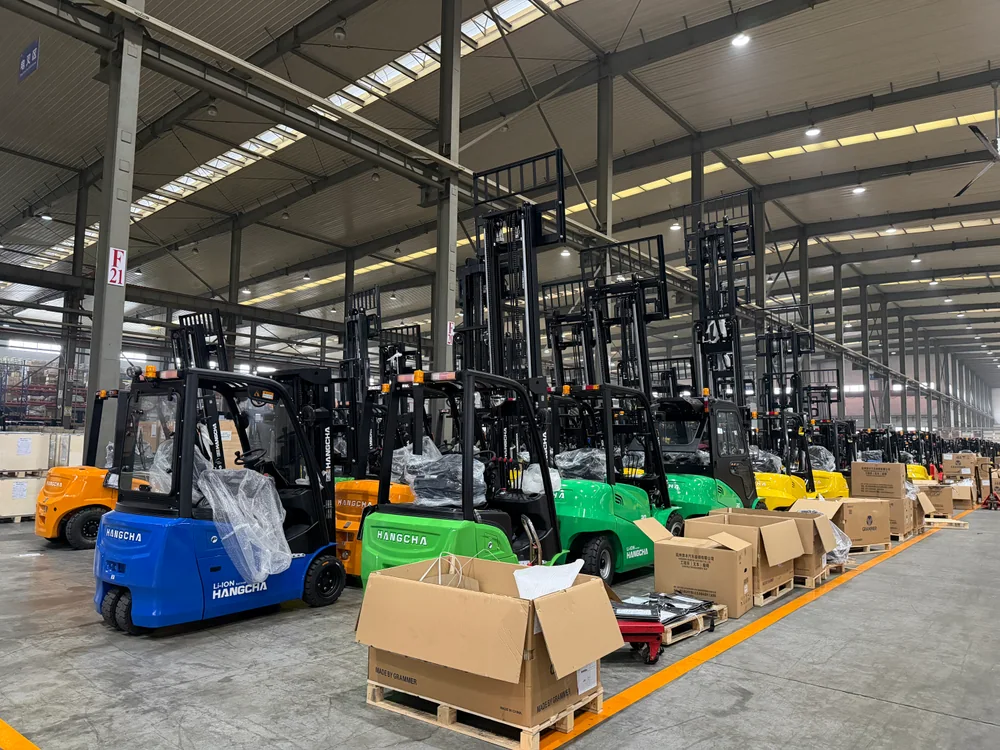
Rack aisle, minimum aisle, turning space and maximum truck height. These are primary inputs for electric and warehouse equipment. For outdoor IC work, report any actual travel path restriction rather than assuming warehouse geometry.
Site conditions
Indoor, outdoor or mixed work; floor, yard, ramps, uneven ground, rain, dust, cold or emission restrictions. Site data changes tire, ground-clearance, traction and electric, diesel or LPG selection.
Duty and power
Operating hours, shifts, travel distance, charging opportunity and diesel/LPG/electric preference. For applicable electric export configurations, include destination voltage and frequency.
Attachment and hydraulics
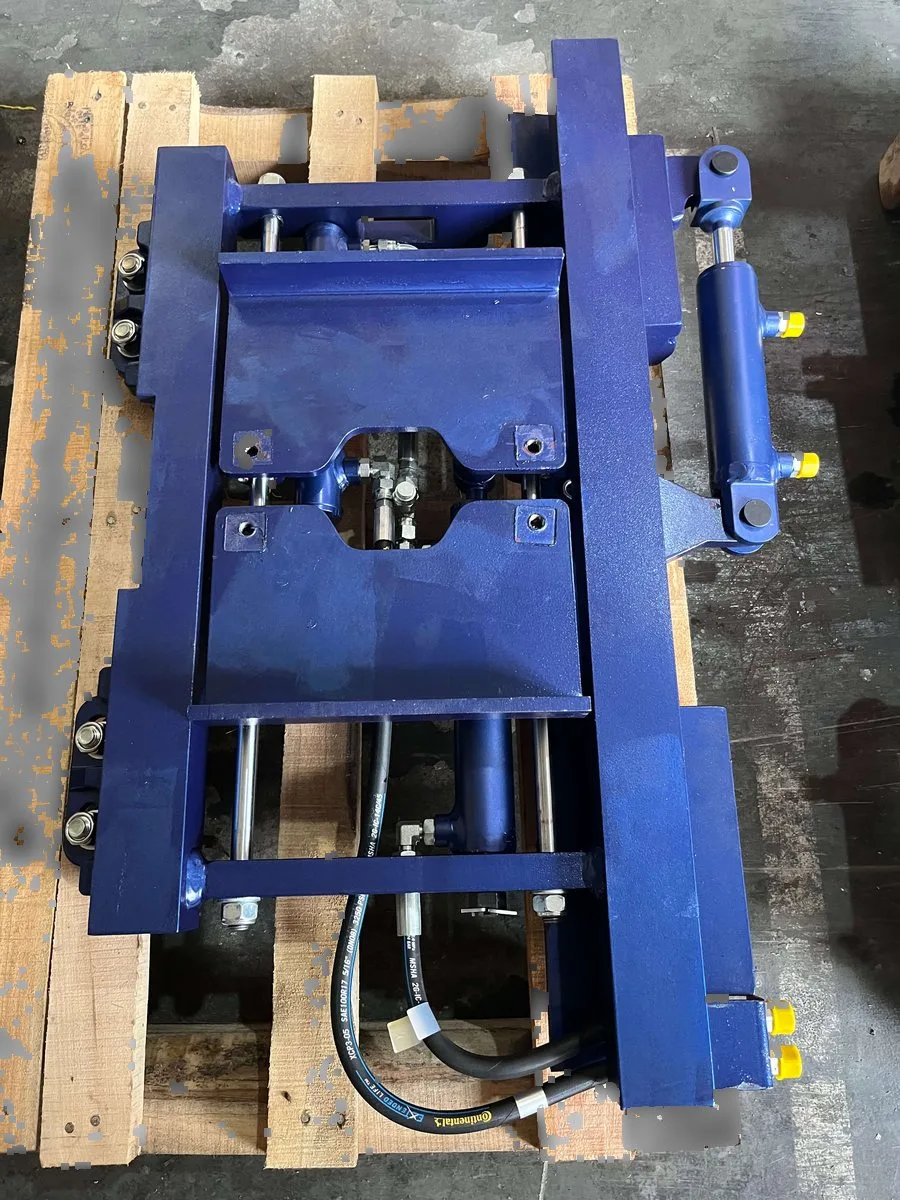
Attachment type, weight, effective thickness, hydraulic functions and current truck data. Forklift residual capacity and attachment rated capacity are separate checks.
Commercial scope
Quantity, destination country, requested Incoterm and required documents. These inputs clarify quotation scope; they do not replace the six technical configuration inputs.For transport configuration, compare heavy-forklift flat-rack loading and 20GP container-loading examples. The shipment method depends on the actual truck dimensions and destination.
Check the mast, cab and fitted equipment
This ForkFocus product walkaround shows why a quotation must identify the truck, mast, cabin, tyres and fitted equipment. Use the video to identify the mast, cab and fitted equipment; confirm the exact model and specification in the quotation.
Specify load centre and lift height as well as rated capacity
Rated capacity does not describe the load centre, working height, mast, attachment, surface or duty cycle. Those details can change the truck class and final configuration.
ForkFocus uses the application data to define a preliminary requirement. Final capacity must still be checked against the exact truck and mast load chart.
| Buyer input | Too broad | Useful for review |
|---|---|---|
| Capacity | 3 tonne | 2,600 kg at 600 mm actual load centre |
| Lift | High mast | 4,500 mm working height; 2,250 mm door |
| Site | Warehouse | 3,200 mm rack aisle; smooth floor; two shifts |
| Attachment | Side shift | Attachment weight, ET, HCG and hydraulic functions |
| Power | Electric | Lithium; eight-hour shift; destination electrical supply |
Load, nameplate and site photographs for forklift selection
Clear photographs and technical records reduce the need to guess. They should show the actual load, truck and operating limits.
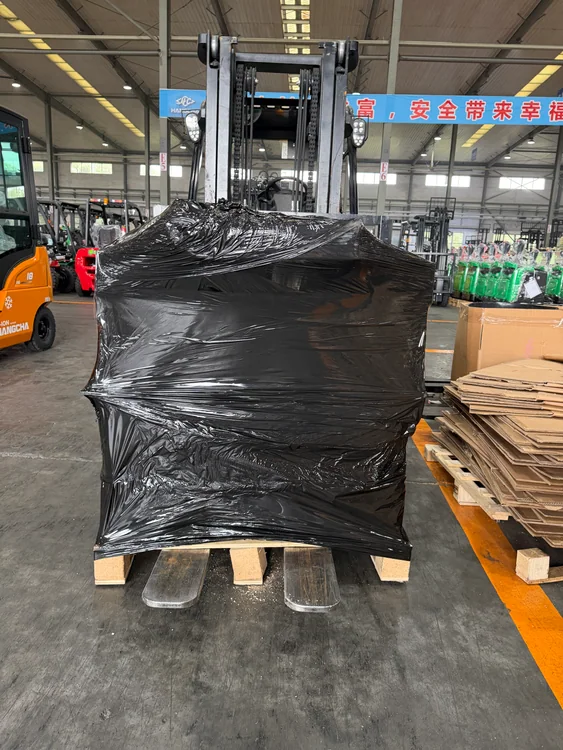
Photograph the actual load
Show the load shape, then record its weight, width, depth, height and actual load centre in the RFQ.
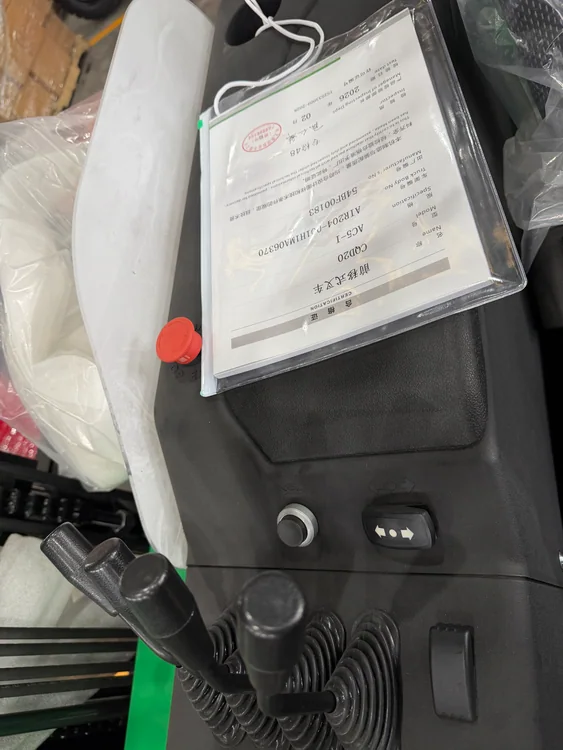
Truck identification documents
Provide the model and serial information shown by the actual documents, plus separate nameplate and OEM load-chart photos for capacity review.
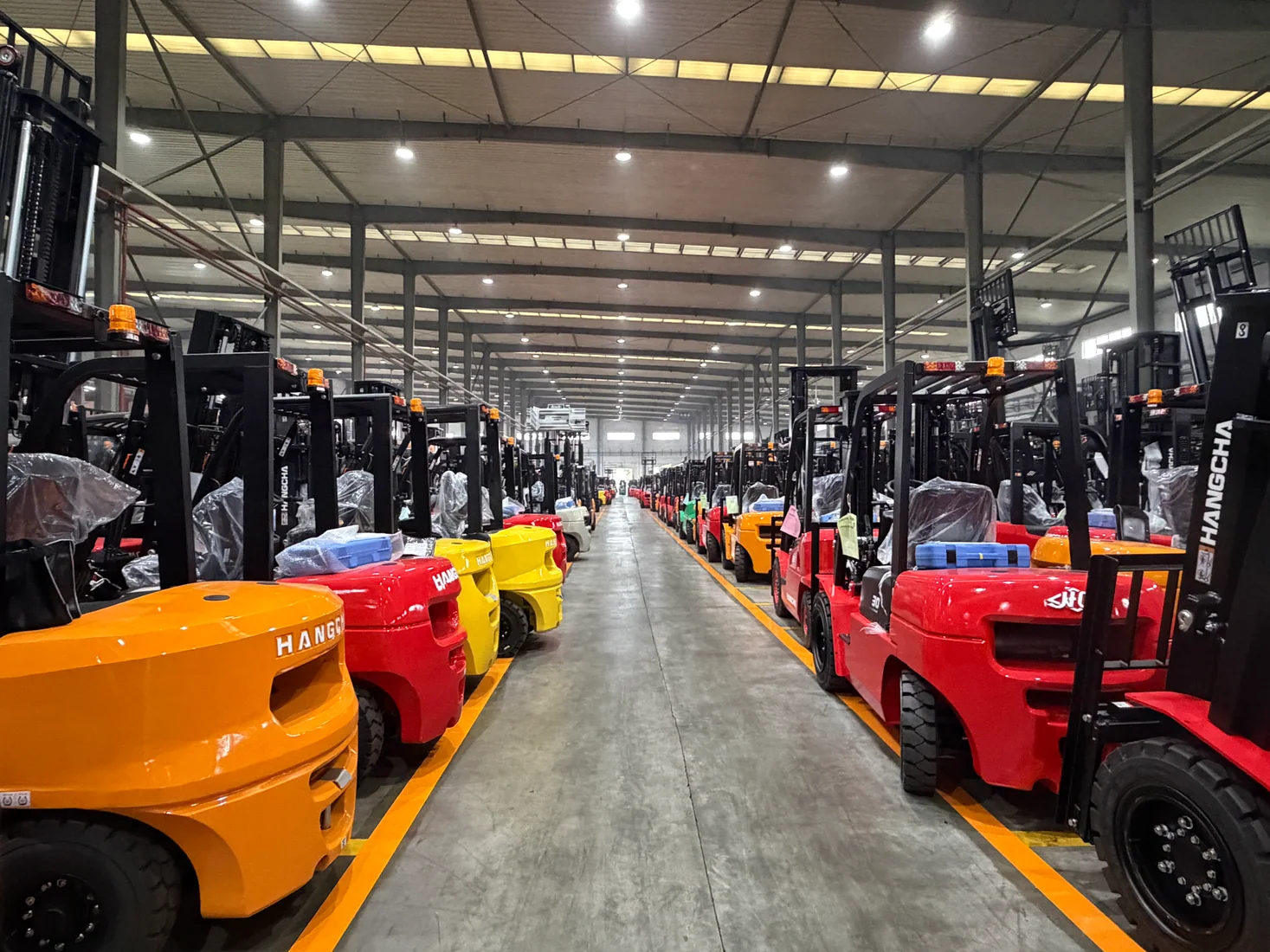
Photograph the actual travel path
Show the narrowest aisle and floor condition, then record door height, rack geometry, ramps and any outdoor restrictions.
Discuss your forklift requirements
Send a model, quantity and destination, or describe the load and lifting task.
Request a forklift quotationHow ForkFocus reviews the requirement
The purpose is to establish a checkable configuration before a specific model or quotation is finalized.
1. Confirm the load
Check maximum weight, dimensions, load centre and handling method.
2. Match the truck class
Review site, space, duty and power requirements before selecting a model range.
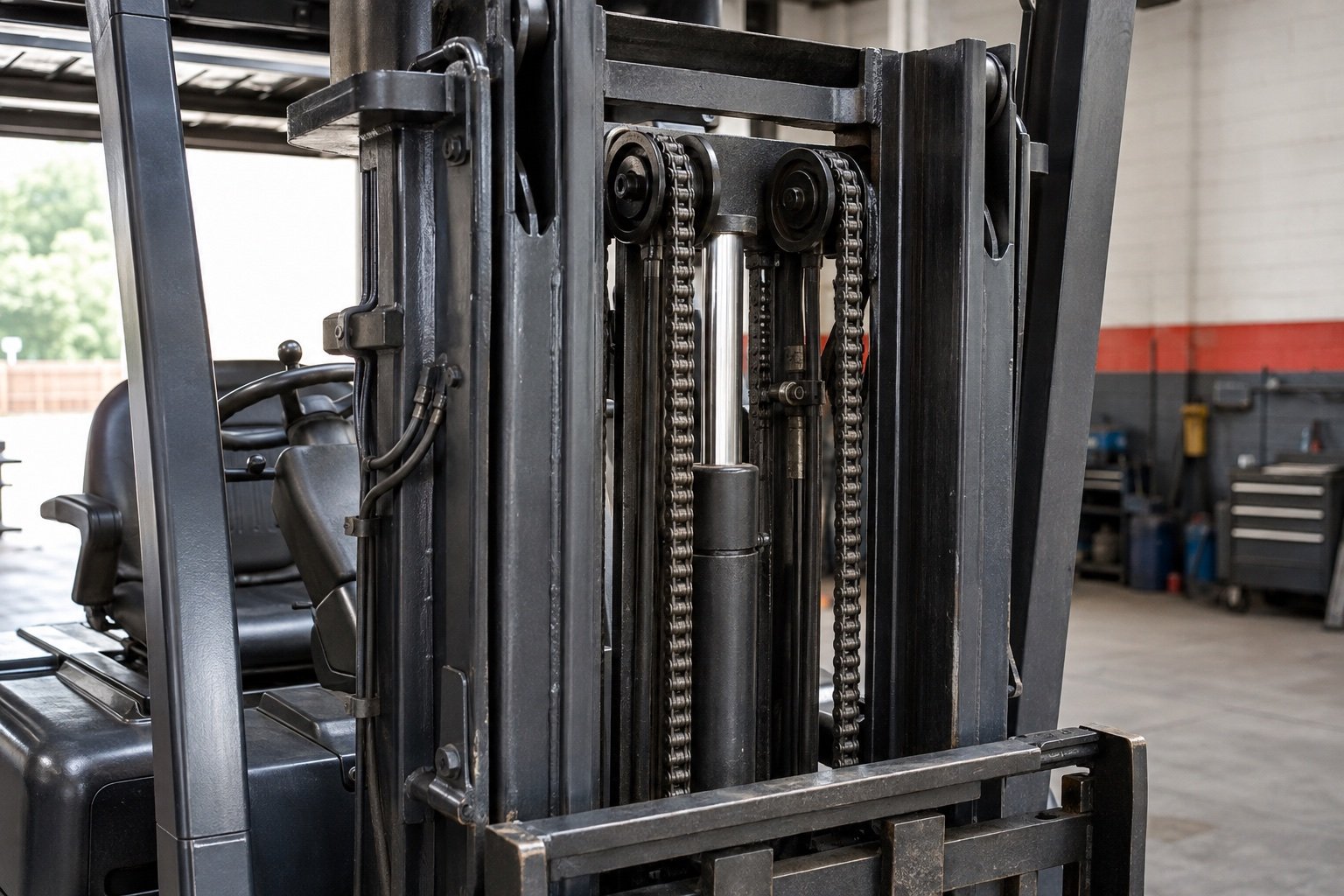
3. Check mast and attachment effects
Use verified truck data for lift-height, load-centre and residual-capacity review.
4. Define the quotation scope
Record configuration, quantity, destination and the remaining technical evidence required.
Questions procurement teams ask
Practical guidance for preparing a usable forklift RFQ.
What information is required for an accurate forklift quotation?
At minimum: maximum load weight, load dimensions and centre, required lift height, site and surface, working-space limits, duty cycle, power preference, attachment requirement, quantity and destination.
Does a forklift attachment change the required truck capacity?
Yes. Attachment weight, horizontal centre of gravity and effective thickness can move the combined load centre forward. Residual truck capacity and attachment rated capacity must be checked separately.
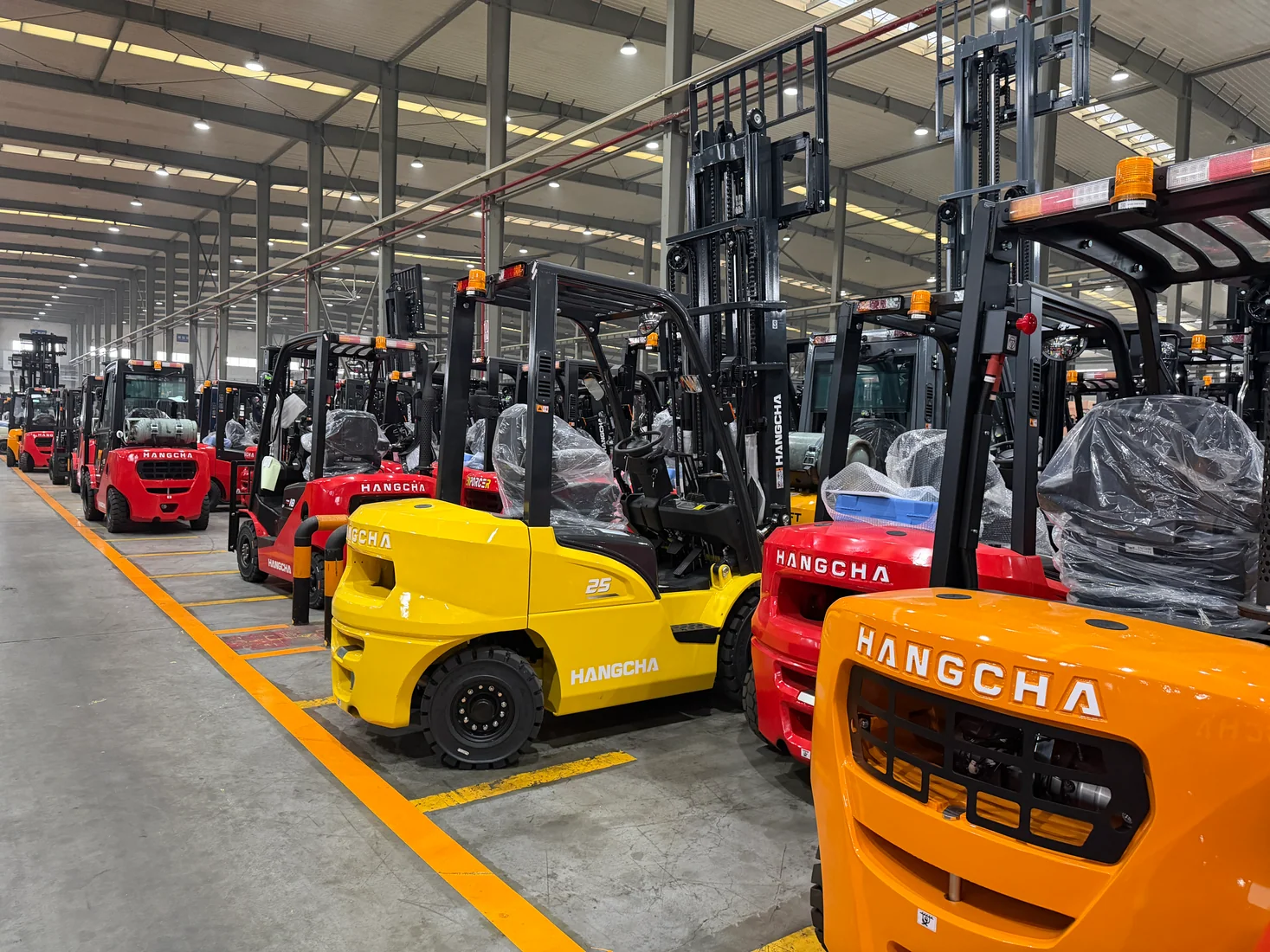
Why is the mast height required before selecting a model?
Capacity can reduce at higher lift heights. Door height and free-lift requirements also change the mast configuration, so the exact working height must be reviewed with the applicable load chart.
When are aisle width and turning radius required?
They are primary inputs for electric and warehouse trucks operating indoors. For outdoor IC forklifts, only report these measurements when the actual travel path creates a space restriction.
Complete the load, mast and attachment specification
Compare the equipment type, verify the interfaces and carry the selected truck configuration into parts, service and quotation planning.
Prepare a requirement ForkFocus can review
Use the Selector for a preliminary truck type and specification, or send the load and operating data for technical review. Do not use a preliminary recommendation as a certified capacity decision.