
Forklifts for container loading and unloading
Confirm first that the exact truck and mast can enter the container: compare the measured door opening with the truck’s lowered mast and overall height. ForkFocus commonly sees IC forklifts used for container work, while electric forklifts are also practical when the buyer prefers them. After entry clearance and the working sequence pass, the buyer’s budget and preferred energy system normally decide the powertrain, subject to site ventilation, emission, charging and fuel requirements.
This guide covers electric forklifts and IC forklifts used for container stuffing, destuffing and dock-to-container movement.
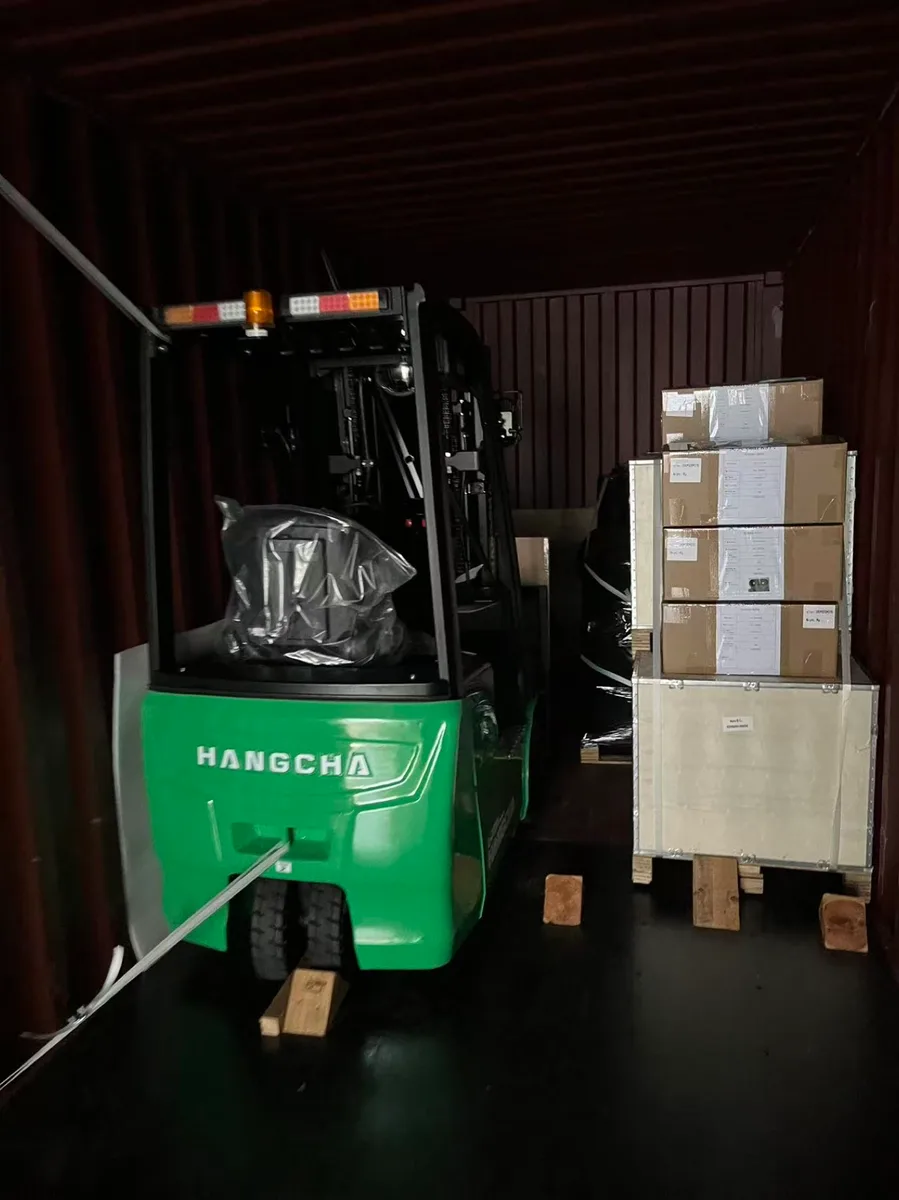
Container and route data that determine the forklift configuration
What forklift configuration is needed for loading and unloading containers?
First acceptance gate
Measured door height versus the exact truck’s lowered mast and complete overall height
Truck envelope
Lowered mast, overhead guard/cabin, beacon and turning geometry
Lift inside
Free lift, internal roof clearance and required pallet elevation
Floor and ramp
Condition, point loading, traction, slope and transition
Powertrain decision
IC is common in container work; electric is also available. After fit passes, buyer budget and preference lead within site limits
Workflow
Stuffing direction, pedestrian separation, trailer restraint and load sequence
The container door and the work inside create two different constraints
The mast and overall truck height determine whether the truck can enter. The truck must then turn, lift and place the load under the internal roof. A low lowered mast does not by itself prove the workflow will work.
Check the sequence
Map entry, travel, lift and exit as separate steps, including ramp transition and whether the mast extends during the required lift.
Choose powertrain after clearance passes
IC forklifts are common for container handling. Electric forklifts remain an available buyer choice; budget and preferred energy system normally lead after site ventilation, emission, charging and fuel conditions are checked.
Match measurements to the truck
Compare the actual container and route with the selected truck’s dimensional drawing and load chart.
Container constraints that change the truck specification
Entry height, free lift, turning room, floor condition and ventilation must suit the same operating sequence.
Low mast vs stacking reach
The truck must pass the door and still perform the internal lift.
Compact chassis vs load
A smaller truck improves manoeuvring only if residual capacity remains sufficient.
IC convenience vs air quality
Fuel-powered equipment may require additional ventilation and site controls.
Container-work errors that block access or create unsafe operation
A truck that enters the door can still fail to turn, lift or operate appropriately inside the container.
- Checking container internal height but not the door opening
- Ignoring mast extension during free-lift-limited work
- Selecting on truck width without turning approach
- Using an attachment without recalculating capacity
Forklift directions for container work
Entry clearance comes first. ForkFocus commonly sees IC forklifts used for container work, while electric remains an available buyer choice. After the exact truck and mast fit, budget and preferred energy system normally lead within the site’s operating limits.
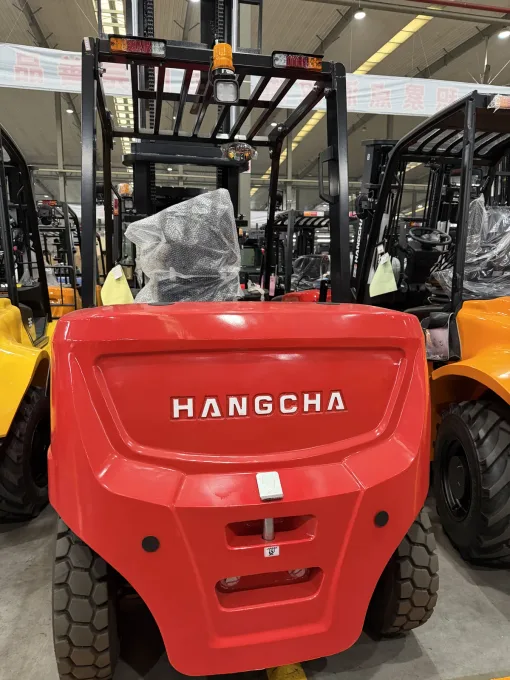
Common IC route after entry clearance passes
X Series diesel forklifts · 5.0–10.0 t container-handling range
Why this direction may fit: This direction reflects the common IC route for container and apron work when the buyer prefers rapid refuelling and the site permits the engine and fuel arrangement.
Choose another route when: Choose electric or another configuration when the buyer’s budget and operating preference favour it, or when site emission, ventilation or noise limits rule out the proposed IC truck.
Check before quotation: Confirm door height, lowered mast, complete overall height, free lift, ramp, load centre, fuel choice, ventilation and model-specific capacity.
View X Series diesel forklifts · 5.0–10.0 t container-handling range
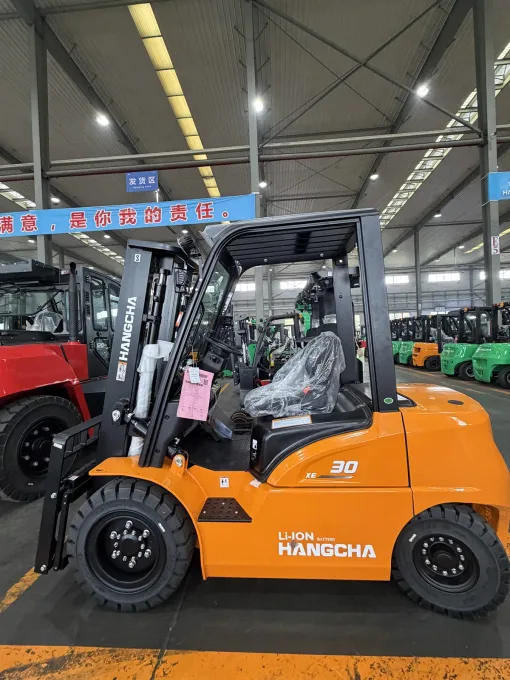
Electric alternative after entry clearance passes
XE lithium counterbalance forklifts · 1.5–3.8 t
Why this direction may fit: This direction may fit when the buyer prefers electric operation, the budget supports the battery and charger package, and charging can support the duty.
Choose another route when: Choose IC or another energy strategy when charging, battery temperature, ramp duty or outdoor travel cannot support the required utilisation.
Check before quotation: Check container door, overall truck height, free lift, turning room, ramp transition, load, attachment, battery duty and working-point capacity.
View XE lithium counterbalance forklifts · 1.5–3.8 t
Complete the container-handling configuration
Carry the verified container opening, truck envelope, load and operating route into equipment selection, inspection and support planning.
Data required for a container-handling proposal
Provide the container type, measured openings, load arrangement, ramp and operating sequence.
Send the container dimensions and handling sequence
ForkFocus can review truck height, free lift, load, powertrain and route as one container-work configuration.