
Door and mast clearance for counterbalance forklifts, reach trucks and stackers
Compare the lowest clear opening with the truck’s actual overall height in every operating state: mast lowered, mast raised, load elevated and any cabin or overhead equipment fitted. Required lift height, free lift and mast stages determine whether the truck can enter a doorway or container and still lift where the work occurs.
This clearance guide applies to counterbalance forklifts, reach trucks and warehouse stackers whenever the truck must pass a door, container or overhead restriction and still lift at the work point.
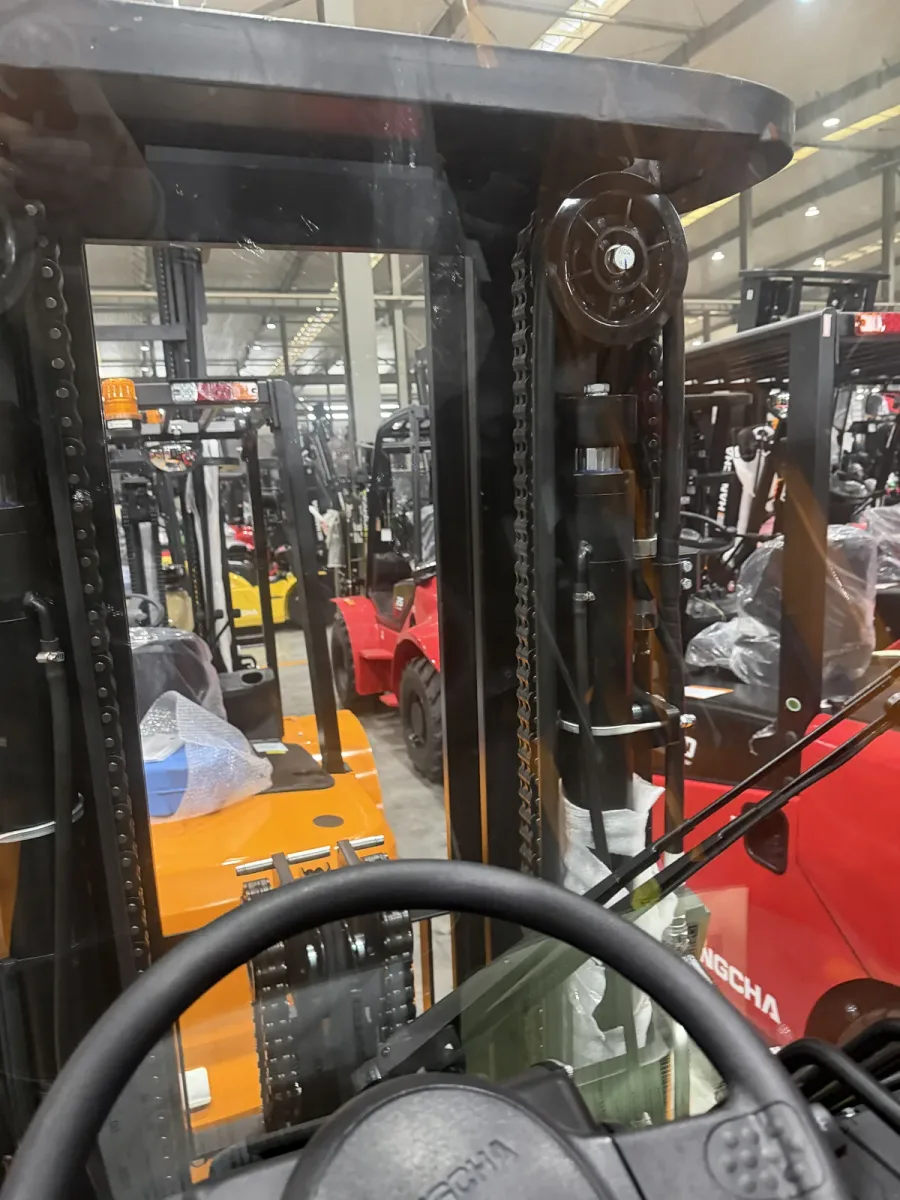
Watch a high-bay lift where mast geometry controls the job
This ForkFocus landscape video makes lift height and overhead movement visible. Door height, lowered mast height, free lift and the exact raised-mast envelope must still be checked from the selected truck specification.
Height measurements required for door entry and lifting
How do door height and mast clearance affect forklift selection?
Lowest opening
Door, container, mezzanine, duct, beam and sprinkler clearance
Lowered mast height
Exact mast option at full lowering—not a generic series value
Truck overall height
Overhead guard, cabin, beacon, air intake and other fitted equipment
Required lift
Top beam, top pallet and placement clearance—not rack height alone
Free lift
Fork elevation available before the mast extends
Dynamic route
Ramps, thresholds, floor slope and load position can change effective clearance
Door entry and useful lift are separate height checks
A truck can fit through the doorway yet fail to lift the pallet inside, or reach the rack but be too tall to enter. The selected mast must satisfy both conditions in the same configuration.
Measure the actual limiting point
Include cabin, beacon, air intake and any raised-load travel condition—not only the nominal door opening.
What changes the height envelope
Duplex/triplex construction, free lift, overall lowered height, tyre option and fitted equipment can all change the result.
Dimensional confirmation
Use the exact dimensional drawing for the selected mast and truck options, then compare every required operating state with the measured route.
Clearance choices that change the mast and truck specification
Lowered height, free lift, required lift and fitted overhead equipment must work in the same route.
Lowered height vs lift reach
A mast that fits a low door still needs enough stages and free lift for the rack.
Cab comfort vs clearance
Cab, beacon and protection packages can alter the highest fixed point.
Clearance margin vs site variation
Door sag, floor changes and load movement require a measured operational allowance, not a zero-clearance design.
Clearance mistakes that prevent entry or useful lift
Door height and maximum lift are different measurements and must not be substituted for each other.
- Measuring the doorway but not the truck option
- Using overall lift height as the mast-lowered dimension
- Ignoring raised-load travel restrictions
- Forgetting cabin, beacon or attachment height
Truck directions only after the full height envelope is measured
Doorway height, lowered mast height, free lift, required lift height and overhead clearance must be checked first. The examples below apply mainly to level warehouse routes and do not limit this guide to reach trucks or stackers.
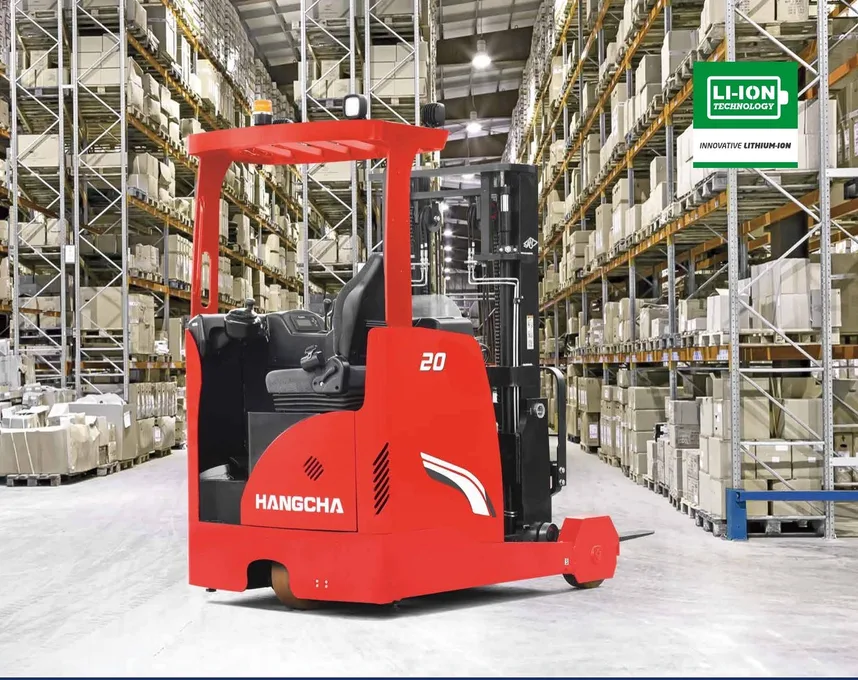
High racking and narrow indoor aisles
A Series reach trucks · 1.2–2.0 t
Why this direction may fit: This direction may fit level warehouse floors where high-rack access, aisle width and a controlled indoor route favour a reach-truck chassis.
Choose another route when: Choose another truck type for rough outdoor routes, unsuitable floors, dock work or loads outside the verified reach-truck range.
Check before quotation: Match doorway, lowered mast height, free lift, required lift height, overhead clearance, aisle, pallet and residual-capacity chart.
View A Series reach trucks · 1.2–2.0 t
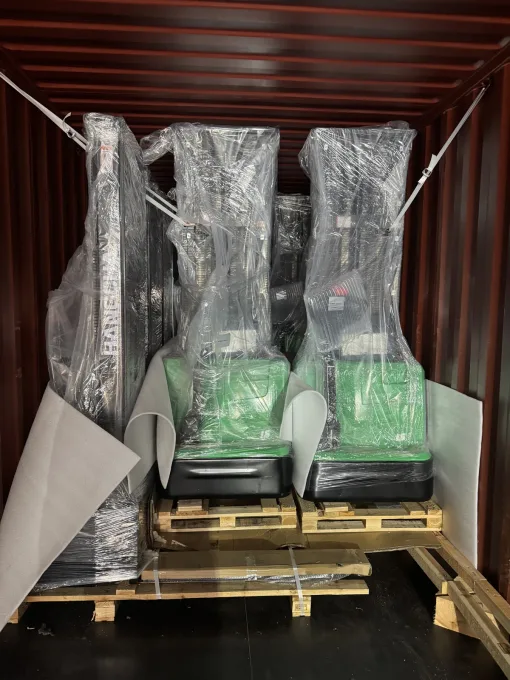
Lighter pallet stacking and compact internal routes
Electric stackers · walkie, platform and counterbalanced routes
Why this direction may fit: This direction may fit lower-throughput pallet stacking where pallet entry, support legs and the operator pattern suit a compact warehouse route.
Choose another route when: Choose another architecture when closed pallets, ramps, high travel demand, outdoor surfaces or load requirements exceed the stacker configuration.
Check before quotation: Confirm doorway, pallet opening, support legs, lowered mast height, free lift, required lift height, aisle and residual capacity.
View Electric stackers · walkie, platform and counterbalanced routes
Confirm mast and access clearances
Use the measured openings, mast geometry and required lift to review the container route, mast evidence and quotation inputs.
Measurements required for a door and mast clearance review
Provide the lowest opening, required lift, route transitions and the proposed truck configuration.
Send the lowest opening and required lift height
ForkFocus can compare the measured route with the exact truck, mast, cabin and fitted options.