
Palletless Slip-Sheet Handling with a Push-Pull Attachment
A push-pull project succeeds only when the slip sheet, load base, pull tab, unitisation and receiving process work together. Verify tab material and position, load weight and rigidity, platen entry, push and pull sequence, container or rack interface, forklift carriage, hydraulics, floor and actual load centre before replacing pallets.
The ForkFocus push-pull attachment covers the attachment function, but the attachment is only one part of a palletless system. An electric counterbalance forklift may suit a clean dock or warehouse route when platen entry, hydraulic functions, route clearance and attachment-adjusted capacity all pass.
This ForkFocus video shows a push-pull attachment engaging and moving a slip-sheet load. It makes the pull-tab, platen and push-pull movement easier to understand; slip-sheet strength, unit-load rigidity, receiving interface, hydraulics and residual capacity still require project-specific verification.
Verify both ends of the slip-sheet process
Slip-sheet material, tab geometry, load stability, platen entry, push-pull cycle and receiving-site capability can make an apparently simple pallet-removal project fail.
Slip sheet
Material, thickness, size, tab position, tab strength, flatness and condition.
Unit load
Weight, base friction, rigidity, packaging, overhang and resistance to pushing.
Cycle interface
Pickup surface, receiving platen or pallet, container/rack geometry and release sequence.
Attachment
Platen, gripper, faceplate, push stroke, pull stroke, weight and forward offset.
Truck and site
Carriage, mast, valve functions, floor flatness, aisle, door, power and tyres.
Capacity
Truck chart at actual lift height and system load centre with attachment installed.
Follow the load from pull tab to receiver hand-off
The shipping-side attachment cannot compensate for a weak tab, unstable base or receiving point that lacks a compatible platen, pallet or push-off process.
Slip-sheet sample
Confirm material, thickness, flatness, tab position and pull strength.
Unit-load base
Check rigidity, friction, overhang, packaging and resistance to pushing.
Receiving method
Define the destination platen, pallet or push-off surface and release sequence.
Attachment cycle
Verify gripper, platen, push/pull stroke, weight, offset and hydraulic functions.
Truck route
Check carriage, mast, floor, door, container, aisle, power and tyres.
Working point
Use the exact lift height and system load centre with the attachment installed.
Removing pallets transfers control to the interface
Shipping density can improve, but slip-sheet consistency, platen entry, load rigidity and receiver readiness become controlled operating requirements.
Less pallet volume
Can reduce pallet dependence, but creates a strict slip-sheet and receiving-interface requirement.
Long platen
Supports the load base but affects approach, route clearance and effective load centre.
Fast hydraulic movement
Can shorten the cycle only when the load stays stable and control remains precise.
Palletless process gaps that stop the cycle
- Confirming only the shipping site and not the receiver
- Ignoring damaged or inconsistent pull tabs
- Assuming every load base will slide over the platen
- Calculating capacity from nominal truck tonnage
Routes for a receiver-ready slip-sheet system
Use the push-pull route when the tab and receiving method are proven; use the electric counterbalance route only when the forward platen geometry and dock duty pass.
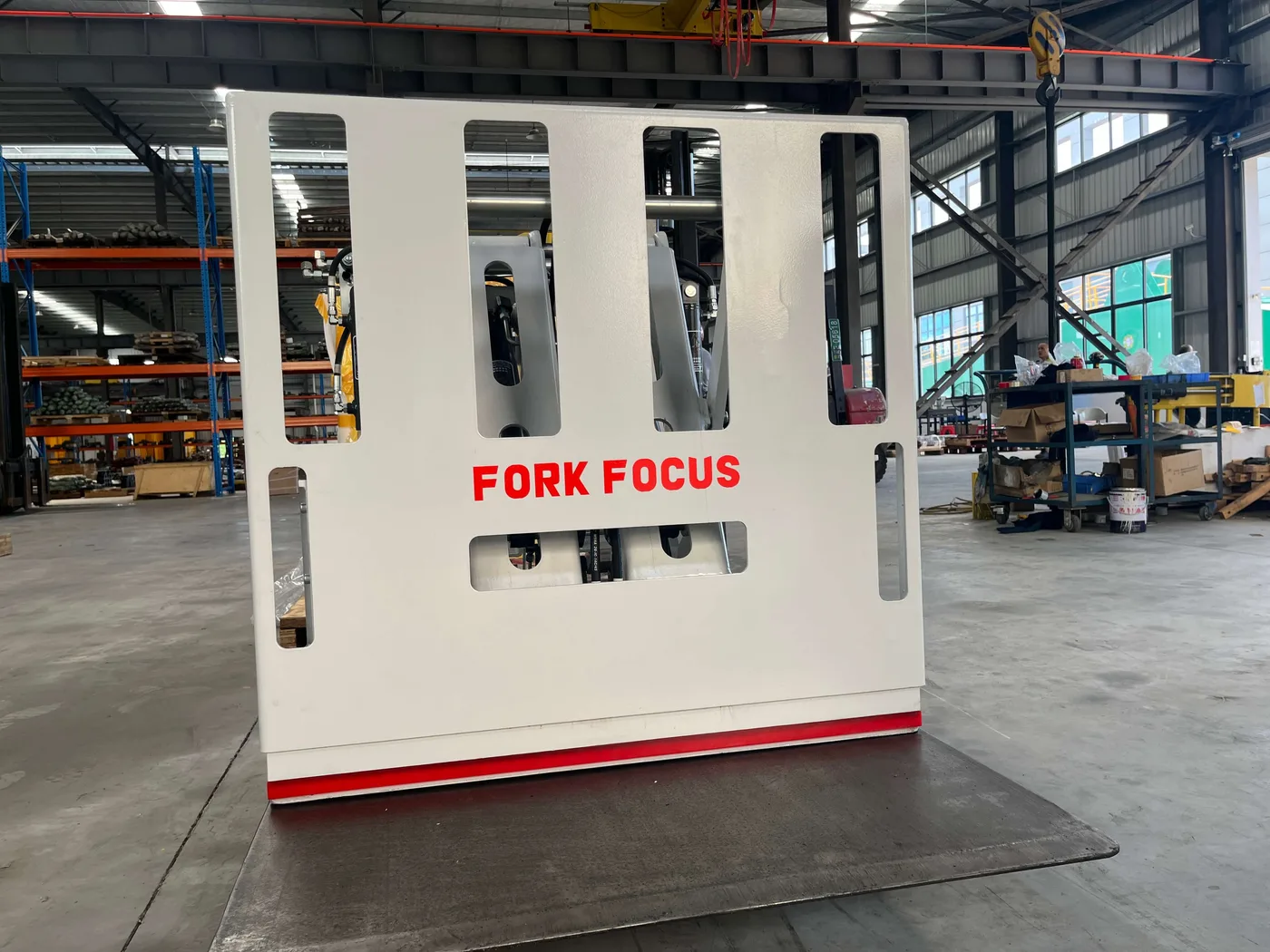
Push-pull attachment
Why this direction may fit: May fit stable unit loads with consistent pull tabs and a receiving process prepared for slip sheets.
Choose another route when: Retain pallets or use another attachment when tabs, base friction, load rigidity or receiver equipment cannot support the cycle.
Check before quotation: Slip-sheet sample, tab dimensions, unit-load drawing, platen, gripper, stroke and hydraulic data.
View Push-pull attachment
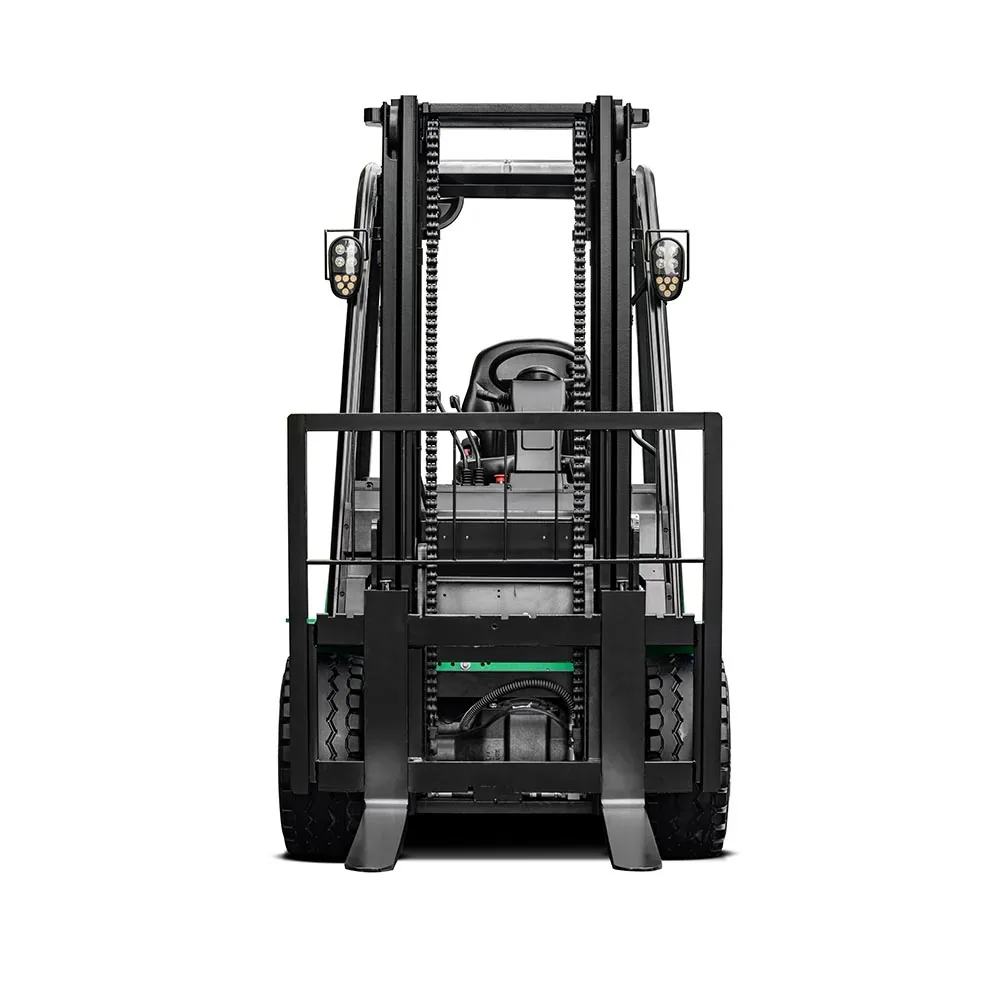
Electric counterbalance forklift
Why this direction may fit: May fit clean dock, container and warehouse transfer when the truck can carry the forward attachment geometry through the route.
Choose another route when: Review an IC truck, warehouse specialist or another process when charging, aisle, pallet interface, ramps or travel pattern conflict with the electric counterbalance route.
Check before quotation: Carriage, mast, door, floor, route, battery duty, valve count, load chart and residual capacity.
View Electric counterbalance forklift
Protect the gripper, platen and slip-sheet contact surfaces
The maintenance scope should cover gripper wear, platen flatness, slide surfaces, faceplate movement, hose routing and the incoming quality check for slip sheets and tabs.
- Gripper edge and pull-tab engagement inspection
- Platen flatness, surface damage and slide lubrication
- Slip-sheet incoming check and receiver-process audit
Include gripper edges, platen flatness, slides, cylinders, hoses and seals in the commissioning and spare-parts package. Review the relevant ForkFocus lifecycle support.
Evidence required at the shipper and receiver
Final compatibility requires an approved slip-sheet sample or specification, load-base evidence, the receiving sequence, attachment drawing, truck hydraulic data and exact working-point capacity.
Send Your Slip-Sheet and Load Data
Provide the following data so the quotation can state the truck, mast, power, tyre, attachment, capacity-verification and support scope without guessing.
Send these details to ForkFocus
If the truck type is not yet fixed, use the Forklift Selection Advisor for a preliminary direction, then return with the exact mast, load chart and attachment configuration.
- Slip-sheet drawing, material and tab details
- Load weight, dimensions and base construction
- Photographs of pickup and receiving points
- Container, rack or pallet interface
- Required pull, push and release sequence
- Lift height, floor and route geometry
- Truck, carriage, mast and hydraulics
- Cycles, shifts and wear-part requirement
Questions that close the Process compatibility review
Can a strong pull tab make any unit load suitable?
No. The load base must remain stable over the platen and through acceleration, turns, stacking and the receiver hand-off.
Must the receiving site use another push-pull attachment?
Not always, but it needs a confirmed compatible method such as a platen, pallet or push-off interface that can receive and release the load.
What sample should be approved before shipment?
Approve the actual slip-sheet material, tab dimensions and representative unit-load base together with the complete push and pull sequence.