
Carton Clamp Forklift Configuration for Damage-Sensitive Loads
Carton-clamp selection is a packaging-engineering decision as well as a forklift decision. Confirm load weight, dimensions, face strength, internal voids, wrapping, friction and permissible compression before clamp force or pad geometry is proposed. Then verify the truck, mast, aisle, power, tyres, hydraulics, visibility and residual capacity for palletless travel.
A carton clamp may remove pallets from suitable appliance and consumer-goods flows. Clean indoor work commonly points toward an electric forklift after battery, aisle and hydraulic checks.
This ForkFocus landscape video shows a carton clamp opening, closing and handling a unit load on an electric forklift. It demonstrates the combined truck-and-attachment movement; packaging strength, clamp force, pad contact, hydraulic settings and working-point capacity still require load-specific verification.
Treat the carton as a structural unit load
Packaging strength, load face, voids, friction, weight distribution and palletless travel affect clamp force, pad choice, load retention, aisle space, truck stability and damage risk.
Unit load
Product, packaging layers, weight distribution, dimensions and internal voids.
Damage limit
Face-strength evidence, allowed deformation, fragile edges, film and moisture sensitivity.
Pad and force
Pad area, surface, articulation, friction and verified clamp-force control.
Movement
Pickup alignment, travel acceleration, turns, stacking height and release sequence.
Truck package
Aisle, door, mast, visibility, power, tyres, valve controls and hose routing.
Capacity
Actual system load centre plus clamp mass, effective thickness and lift-height derating.
Trace the force path before testing a handling cycle
Face strength, internal voids and weight distribution decide where force may be applied. Pad geometry, control and truck movement must then preserve retention without unacceptable damage.
Packaging structure
Record outer material, internal support, voids, moisture sensitivity and face strength.
Load distribution
Locate the centre of gravity and any mixed-product or uneven-weight zones.
Contact design
Match pad area, surface, articulation and opening range to permitted faces.
Controlled movement
Define pickup alignment, acceleration, turns, stacking and release.
Truck integration
Confirm visibility, aisle, mast, power, valves, hoses and attachment geometry.
Validation
Approve the test method and exact working-point capacity before operational release.
Damage control and load retention pull in opposite directions
Lower pressure can protect packaging but cannot be accepted if the load slips. Larger pads distribute force while adding mass and reducing visibility.
Large pads
Distribute force but can reduce visibility and add attachment mass.
Low clamp force
May reduce crushing risk but cannot be accepted if the unit load can slip during the verified cycle.
Palletless density
Can improve shipping space only when loading, receiving and packaging processes support the same slip-free unit load.
Carton-clamp shortcuts that damage saleable goods
- Using gross weight without packaging-strength evidence
- Adjusting force by trial on saleable goods without an approved test method
- Ignoring centre-of-gravity variation inside mixed cartons
- Assuming a clean pad stays effective without inspection
Routes for damage-sensitive palletless loads
Use carton-clamp handling only with packaging evidence and a controlled test method; use the electric truck route only when the indoor duty and hydraulics pass.
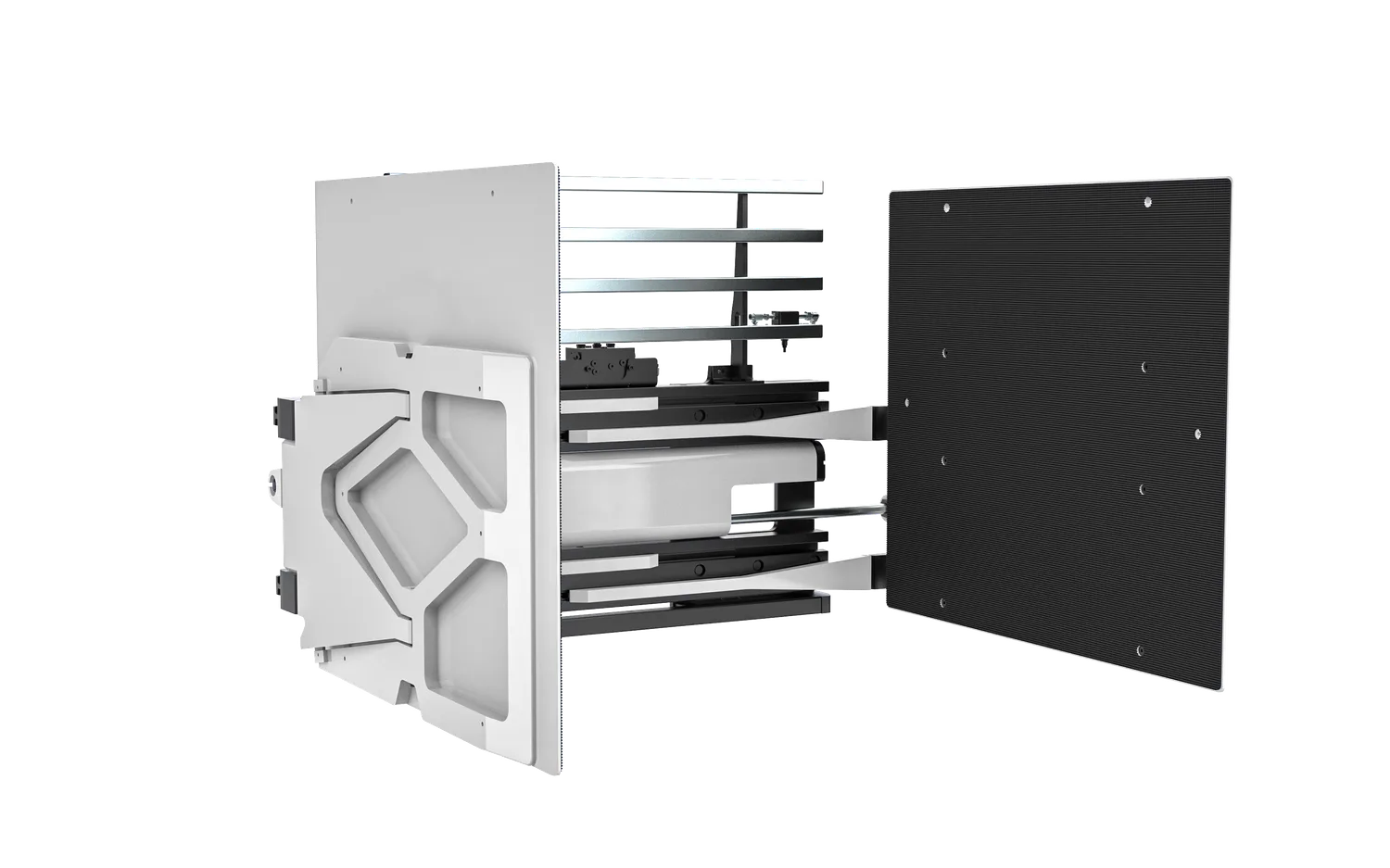
Carton clamp
Why this direction may fit: May fit rigid unit loads with verified side faces, stable weight distribution and a documented force-control method.
Choose another route when: Keep pallets or use another interface when packaging cannot tolerate side force or the load cannot remain unitised.
Check before quotation: Packaging drawing, face strength, load weight, pad geometry, opening range and hydraulic controls.
View Carton clamp
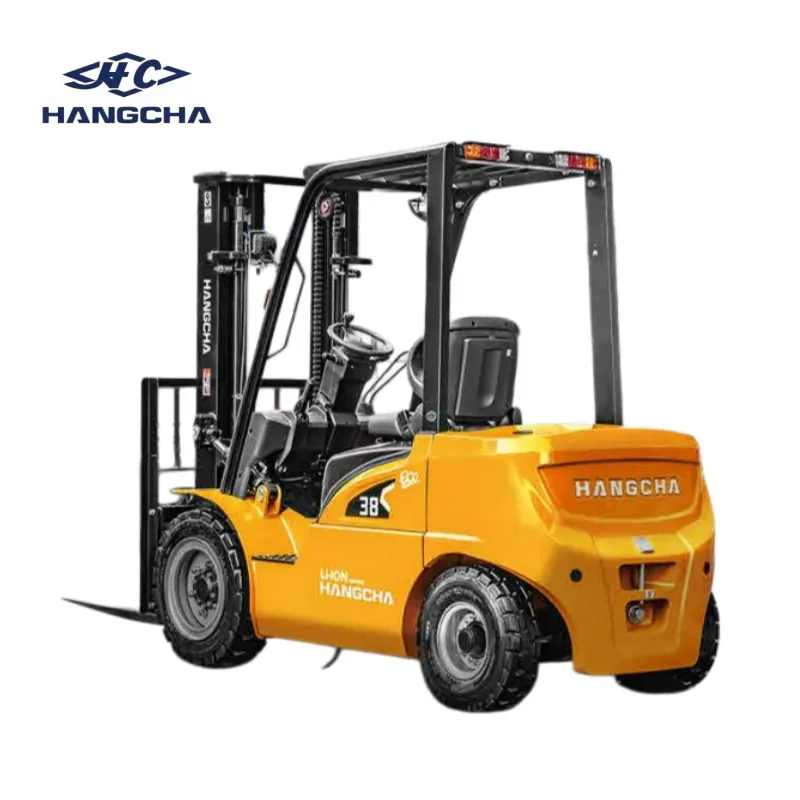
Electric counterbalance forklift
Why this direction may fit: May fit clean indoor palletless handling where turning space, charging and auxiliary functions are verified.
Choose another route when: Review another truck when outdoor exposure, gradients, long travel, floor condition or energy demand change the operation.
Check before quotation: Aisle, floor, door, mast, battery duty, tyres, hydraulics and exact load chart.
View Electric counterbalance forklift
Control pad condition and pressure-setting changes
Record pad cleanliness, articulation, pressure-control components, hose condition and the approved setup for each load family. A clean pad in the quotation is not a permanent operating condition.
- Pad contamination and friction inspection
- Approved pressure-control and test record
- Packaging-change trigger for revalidation
Treat clean pads, articulation, pressure-control components, hoses and seals as configuration-specific service items. Review the relevant ForkFocus lifecycle support.
Evidence required before handling saleable cartons
The load-retention method, pressure-control arrangement and working-point truck capacity require exact packaging, attachment and truck evidence. No universal carton-clamp force value is stated.
Send Your Carton Load Details
Provide the following data so the quotation can state the truck, mast, power, tyre, attachment, capacity-verification and support scope without guessing.
Send these details to ForkFocus
If the truck type is not yet fixed, use the Forklift Selection Advisor for a preliminary direction, then return with the exact mast, load chart and attachment configuration.
- Product and packaging photographs
- Weight, dimensions and internal load distribution
- Contact-face material and strength evidence
- Permissible deformation or damage concern
- Pickup, travel, turn and stacking sequence
- Opening range and pad requirement
- Site dimensions, floor and shifts
- Truck/load chart and hydraulic information
Questions that close the Damage-control configuration review
Is gross carton weight enough to select clamp pressure?
No. Face strength, internal support, friction, voids and weight distribution also control the allowable contact method.
Can pressure be adjusted by trial on finished goods?
Only under an approved test method with defined acceptance criteria; uncontrolled trial on saleable goods is not a specification method.
What changes require the clamp setup to be reviewed again?
Packaging material, internal supports, load mix, dimensions, wrapping, moisture condition or route acceleration can all trigger revalidation.