
3-wheel vs 4-wheel electric forklift
Choose a three-wheel electric forklift mainly for narrow warehouse aisles and tighter indoor turning conditions. In the product ranges ForkFocus commonly works with, three-wheel trucks are concentrated in smaller-capacity classes, typically up to around 2 tonnes. Four-wheel electric forklifts extend into much higher capacities and suit wider aisles, broader routes and suitable smooth outdoor surfaces. Exact model, mast, load-centre and route data still control the final choice.
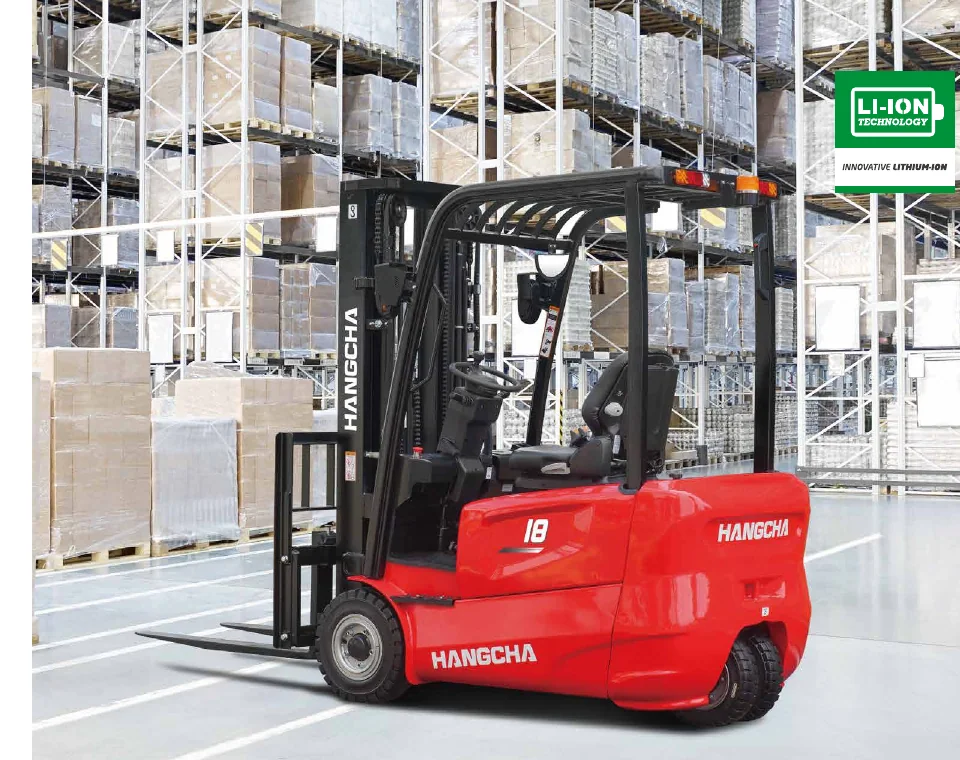
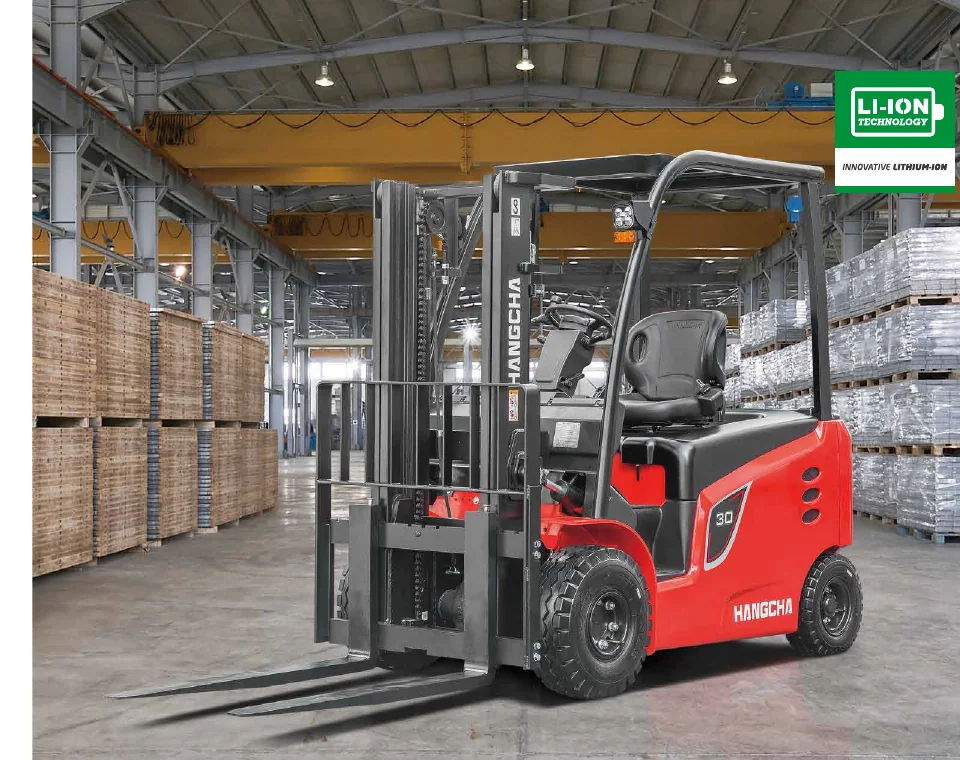
Wheel layout is only one part of the chassis decision
Balance manoeuvrability against capacity class, route, surface and duty.
Measure manoeuvring space and load, then verify the route, surface and duty.
Space, load and route control the chassis choice
Choose three-wheel when the job is mainly indoors, turning space is tight and the required load fits the verified smaller-capacity range. Choose four-wheel when capacity, wider route conditions, longer travel, suitable outdoor work or a broader counterbalance application envelope matter more. Do not turn wheel count into a safety claim; verify the exact truck, load, mast, tyres, gradient and surface.
Compare manoeuvrability, capacity and route
Use aisle and turning space first, then load, capacity class, indoor or outdoor route, surface and duty.
| Decision factor | 3-wheel electric | 4-wheel electric | What changes the answer |
|---|---|---|---|
| Turning behaviour | Typically tighter and agile in confined indoor areas | Generally wider turning envelope, model dependent | Actual right-angle stacking aisle and route |
| Application envelope | Best within its verified load, indoor floor and duty range | Offers broader capacity, route and counterbalance application options | Load centre, height, attachment, ramps and model limits |
| Capacity range | Mainly found in smaller-capacity classes in the ranges ForkFocus commonly handles, typically up to around 2 tonnes | Extends into much higher capacity classes and broader counterbalance applications | Exact model capacity at the required lift height and load centre |
| Floor and route | Best suited to controlled indoor warehouse floors and tight routes | Can cover wider indoor routes and suitable smooth outdoor surfaces where electric operation is appropriate | Joints, ramps, thresholds, weather, traction and outside travel |
| Duty | Frequent stop-start indoor work can suit well | Often selected for longer travel or tougher duty | Hours, distance, gradients and shifts |
| Tyres | Configuration depends on floor and model | Same; tyre choice remains application-specific | Surface, debris, comfort and cleanliness |
Use the decision factors in the right order
Do not begin with wheel count. Begin with the physical route and required load.
Aisle and turning space
Use OEM turning-radius and Ast data with the actual pallet or load dimensions and the measured working aisle.
Load and capacity
Confirm rated capacity, actual load centre, required lift height and any attachment effect.
Indoor or outdoor route
Record doors, yards, ramps, weather exposure and every surface transition.
Surface and application range
Check floor quality, traction, tyre requirement, travel distance and the breadth of work expected from the truck.
Select the wheel architecture
Choose only from models whose verified geometry, capacity and operating envelope fit the complete application.
Measurements that change the chassis direction
Wheel count is only meaningful after the actual load, height, turning geometry, gradients and floor are known.
Minimum operating space
Provide aisle, cross-aisle and turning measurements at the actual load width.
Load at height
Confirm maximum and typical load, actual load centre and required lift height.
Travel route
Include ramps, dock plates, thresholds, outdoor sections and travel distance.
Surface
State smooth floor, joints, yard, debris and puncture risk so tyre and chassis direction can be reviewed.
Duty cycle
Record hours, shifts, travel speed expectation and charging window.
Attachment
An attachment changes visibility, hydraulics and residual capacity; it may shift the preferred truck platform.
Use load, surface and turning space together
The final recommendation can change when the load, route, duty or site constraints change.
Choose 3-wheel when…
The operation is mainly indoor, space-constrained and within a verified capacity, mast, floor and duty envelope.
Choose 4-wheel when…
The buyer needs higher capacity, wider operating space, longer travel, suitable smooth outdoor work or a broader counterbalance application range.
Review further when…
A high mast, forward load centre, attachment, uneven route or near-limit capacity makes the nominal wheel count insufficient for a decision.
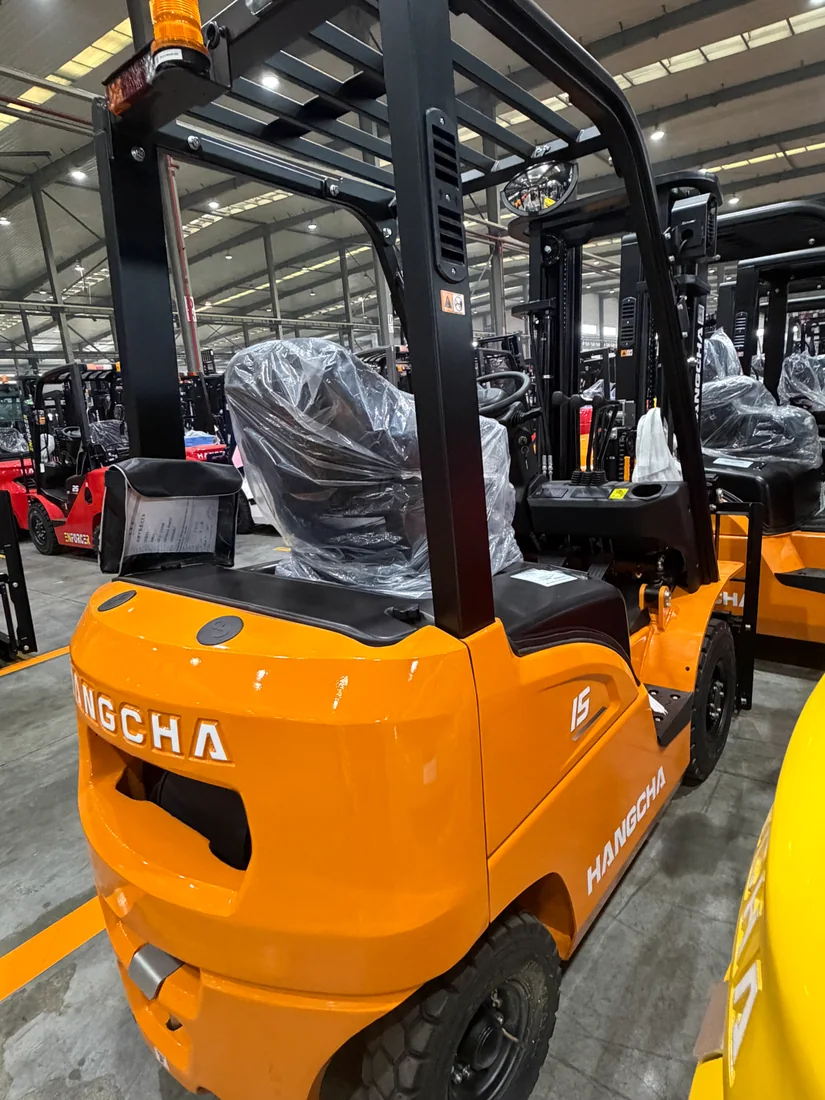
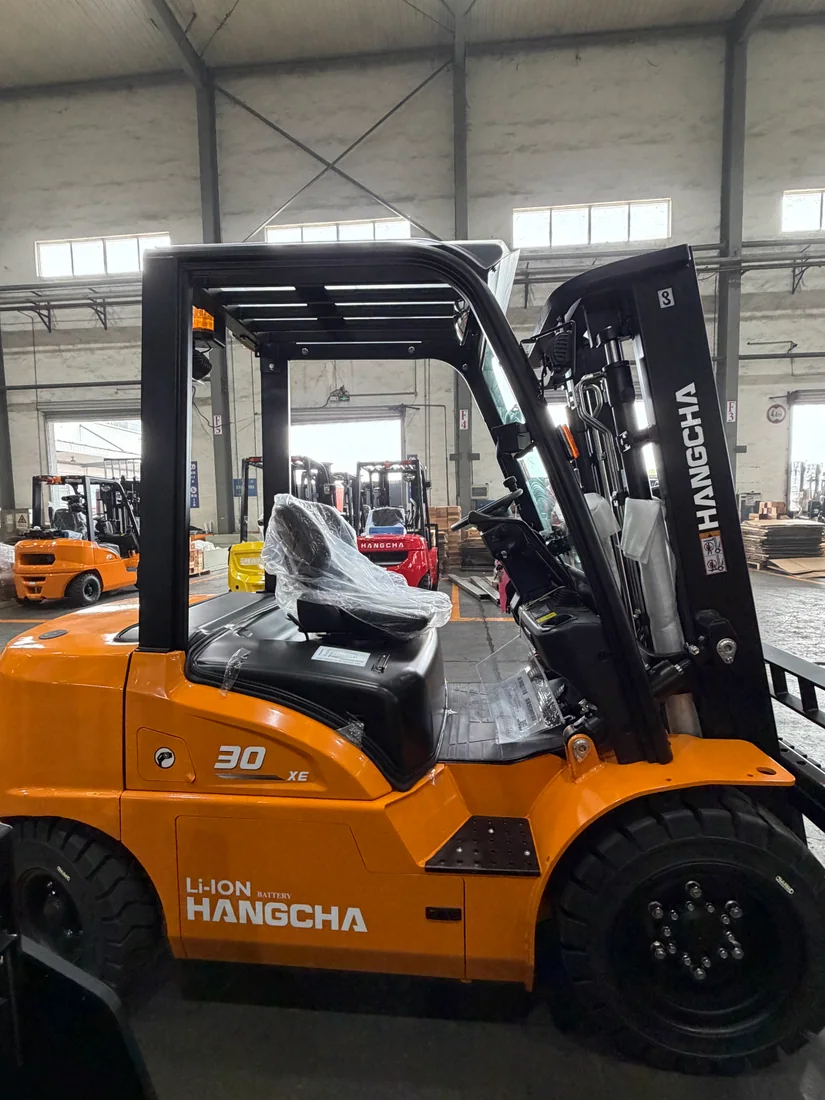
Real electric-forklift chassis details
These source-library photographs show physical chassis and operating details. They do not establish an exact three-wheel or four-wheel model; the verified comparison is shown above.
Checks before selecting the electric chassis
Compare chassis geometry together with capacity at height, route quality and the daily workload.
Continue from chassis to full configuration
Measure the route and use the Forklift Selector.
Questions about three-wheel and four-wheel trucks
Practical guidance for procurement and equipment teams.
Does a three-wheel forklift always turn inside a four-wheel forklift?
Three-wheel architecture is commonly selected for tight manoeuvring, but exact turning radius and stacking aisle must come from the specific truck data.
Is a four-wheel electric forklift safer?
Safety cannot be reduced to wheel count. Load, height, speed, floor, tyre, route, attachment and operator practice all matter.
Can a three-wheel truck work on ramps?
Ramp suitability is model- and application-specific. Confirm gradeability, traction, braking, load direction and manufacturer limitations.
Does a high mast favour four wheels?
Not automatically. Use the exact truck and mast load chart, load centre and application geometry to verify the configuration.
Compare the route, not only the wheel count
Send aisle, load, height, floor, ramp and duty information for a practical electric-forklift direction.