
What makes a truck Class 1
Class 1 covers rider-type electric counterbalance forklifts. The counterweight balances the load at the fork face, but the stated truck capacity only applies at the specified load centre and mast condition.
A longer load centre, higher mast or heavy attachment can reduce the usable capacity. The residual-capacity calculation is therefore part of truck selection, not a check left until delivery.
Where electric counterbalance trucks earn their place
- Indoor production and warehousing: low local emissions, lower noise and controlled floor conditions.
- Mixed indoor-outdoor routes: suitable tyres, protection, ground clearance and ramp performance must be specified.
- Multi-shift fleets: battery capacity, charger input and charging window must match actual utilisation.
- Attachment work: front overhang, hydraulic flow and residual capacity change when a clamp or rotator is installed.
How A, X, XC, XE and XH differ
The series generally progress XH → XC → XE → X → A in performance and duty expectation. This is not a universal price or quality ranking; the economical truck is the one whose chassis, motors, protection and battery match the duty without unnecessary specification.
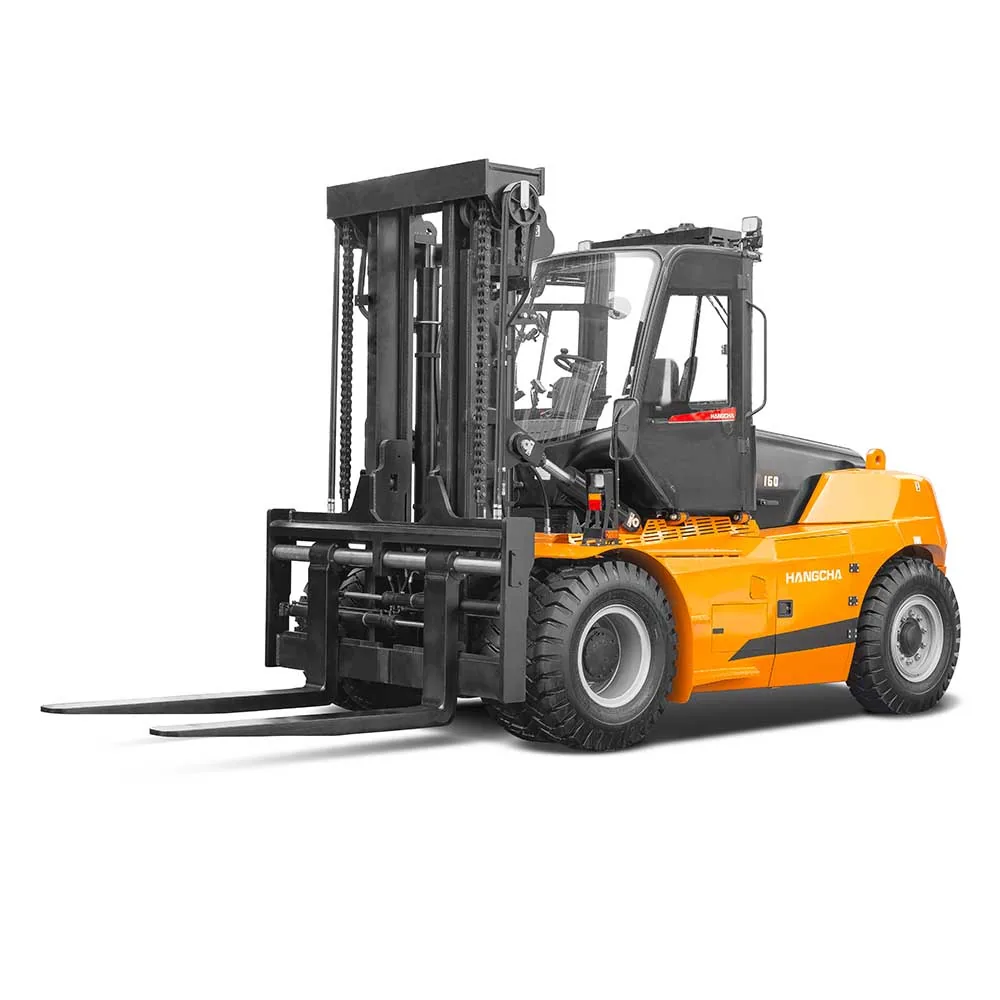
XH · Highest duty in the electric route
High-voltage and heavy-duty configurations for demanding cycles, high capacity and work that places sustained load on traction, hydraulics and thermal management.
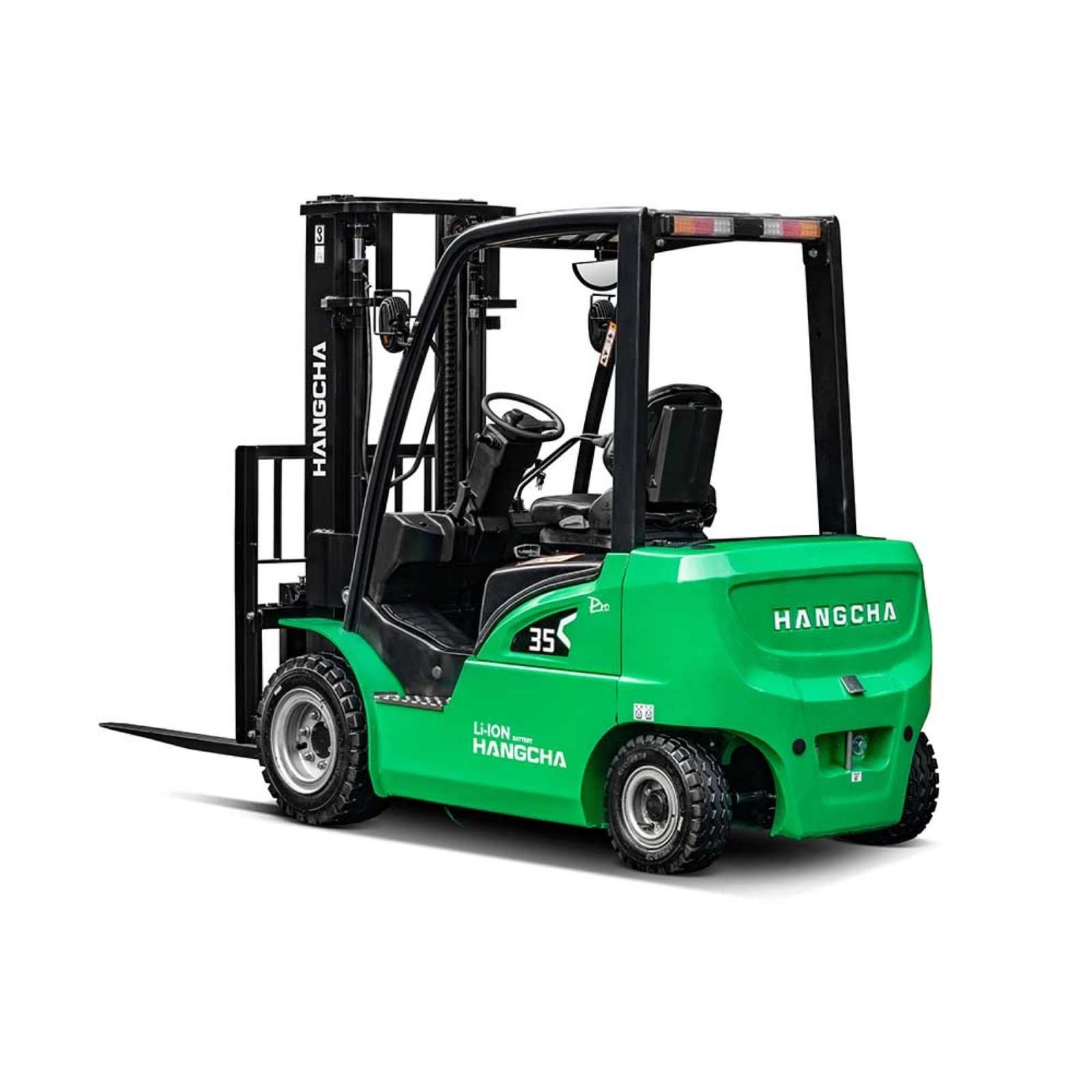
XC · Strong performance and broad configuration range
Purpose-designed lithium chassis with standard and high-performance variants. The series covers compact trucks through heavier industrial configurations.
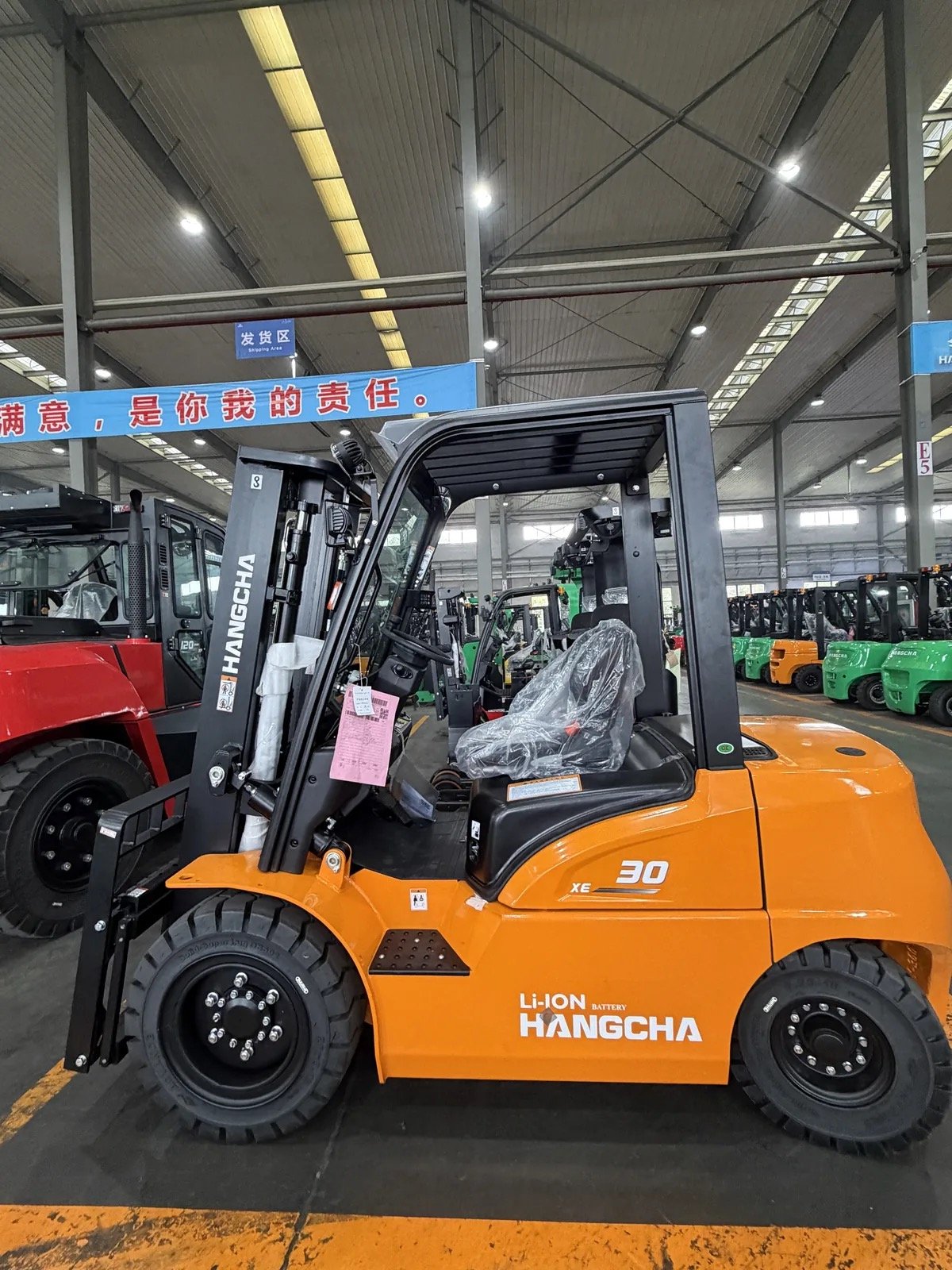
XE · Electric performance for IC-type outdoor work
XE is important when an electric truck must handle yards, ramps and duty that was traditionally assigned to diesel or LPG. Ground condition, gradeability and shift length must still be checked.
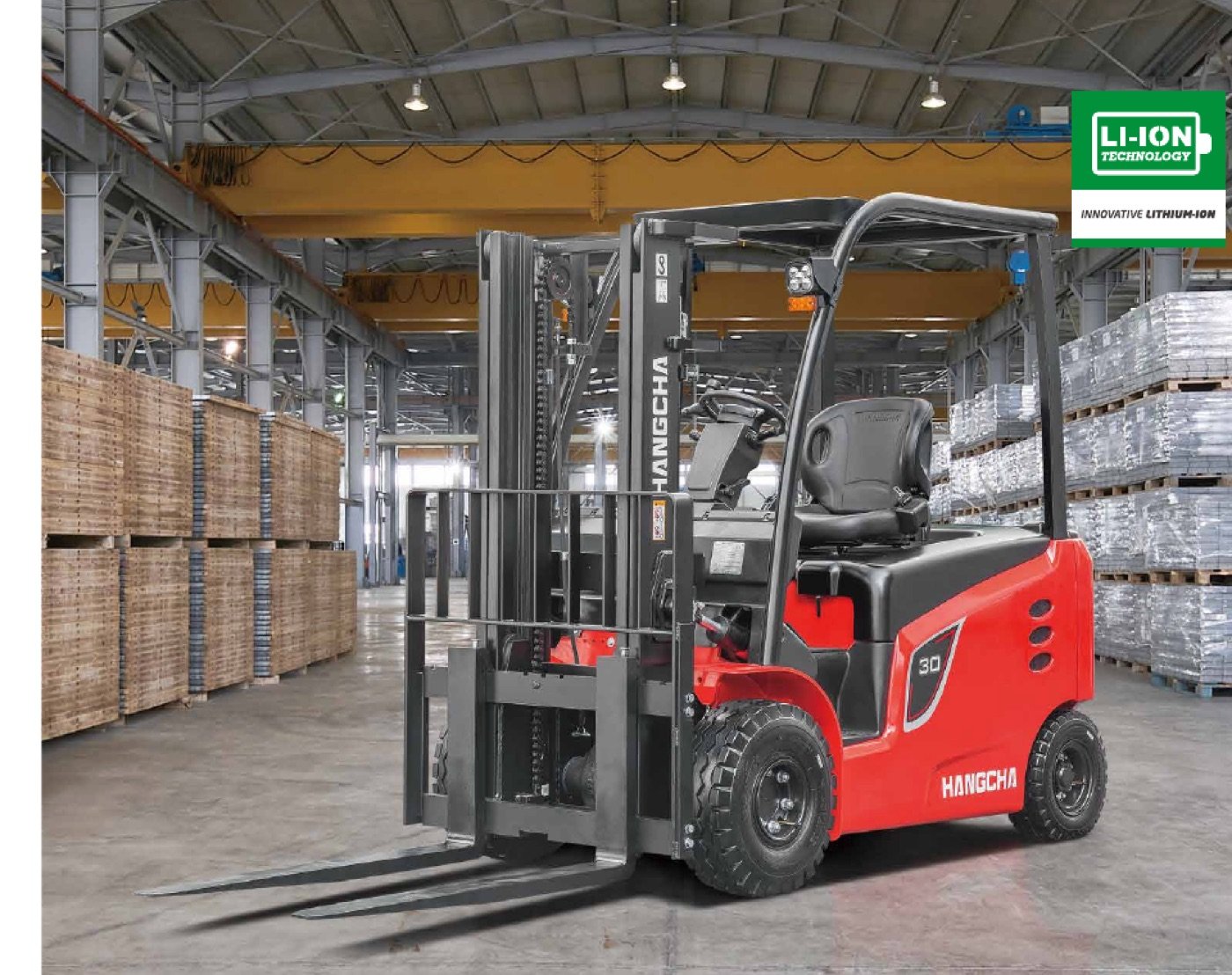
X · Broad everyday electric range
A practical route from compact three-wheel trucks to larger four-wheel forklifts where proven configuration and controlled duty matter more than peak performance.
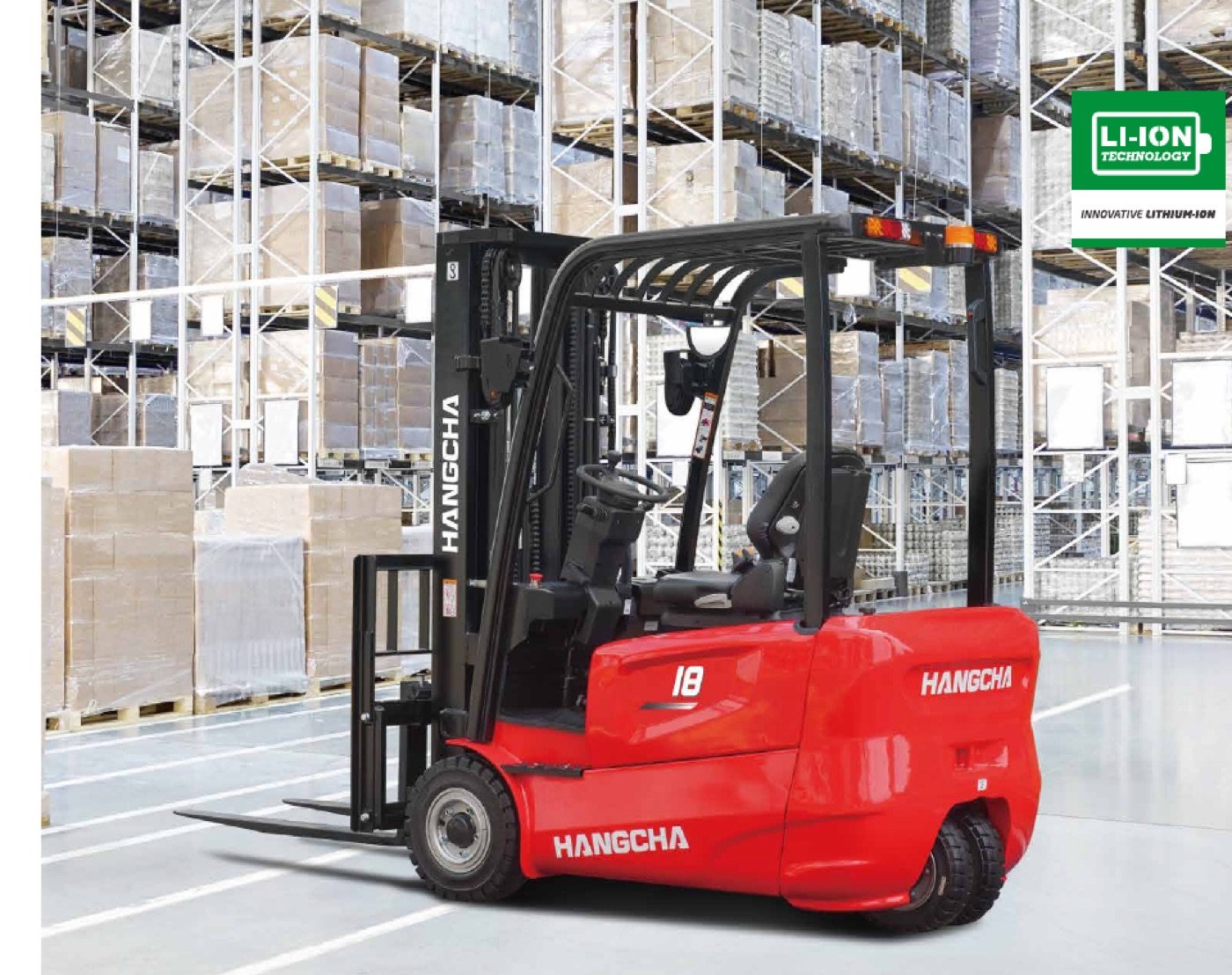
A · Cost-controlled standard duty
Compact and standard-capacity electric trucks for fleets that need dependable pallet handling without paying for duty capability the route will not use.
Five checks that prevent the wrong electric forklift
- Travel speed is only one part of cycle time. Compare laden speed, acceleration, braking and the actual route—not the maximum unladen figure.
- Lift speed matters at repeat height. A small difference in loaded lift speed becomes meaningful when every pallet is raised several metres hundreds of times per shift.
- Outdoor work is a complete specification. Tyres, ground clearance, protection, ramp, drainage, cab and ambient temperature matter together.
- Battery size must follow utilisation. A larger battery may be justified by shift length, but can be wasted when opportunity charging and route planning are available.
- Attachments change the load chart. Carton clamps, paper roll clamps, rotators and fork positioners add weight and move the load centre forward.
| Rated load | Confirm weight, load centre and dimensions. |
|---|---|
| Mast | Lift height, free lift, lowered height and residual capacity. |
| Route | Aisle, turning area, floor, ramp and outdoor surface. |
| Energy | Shifts, charging windows, charger voltage and parking point. |
| Hydraulics | Functions, pressure, flow, carriage class and attachment weight. |
The forklift, attachment and delivery plan are confirmed together
ForkFocus checks the load chart after the mast and attachment are selected. A carton clamp, paper roll clamp or rotator can change the required chassis even when the nominal load remains unchanged.
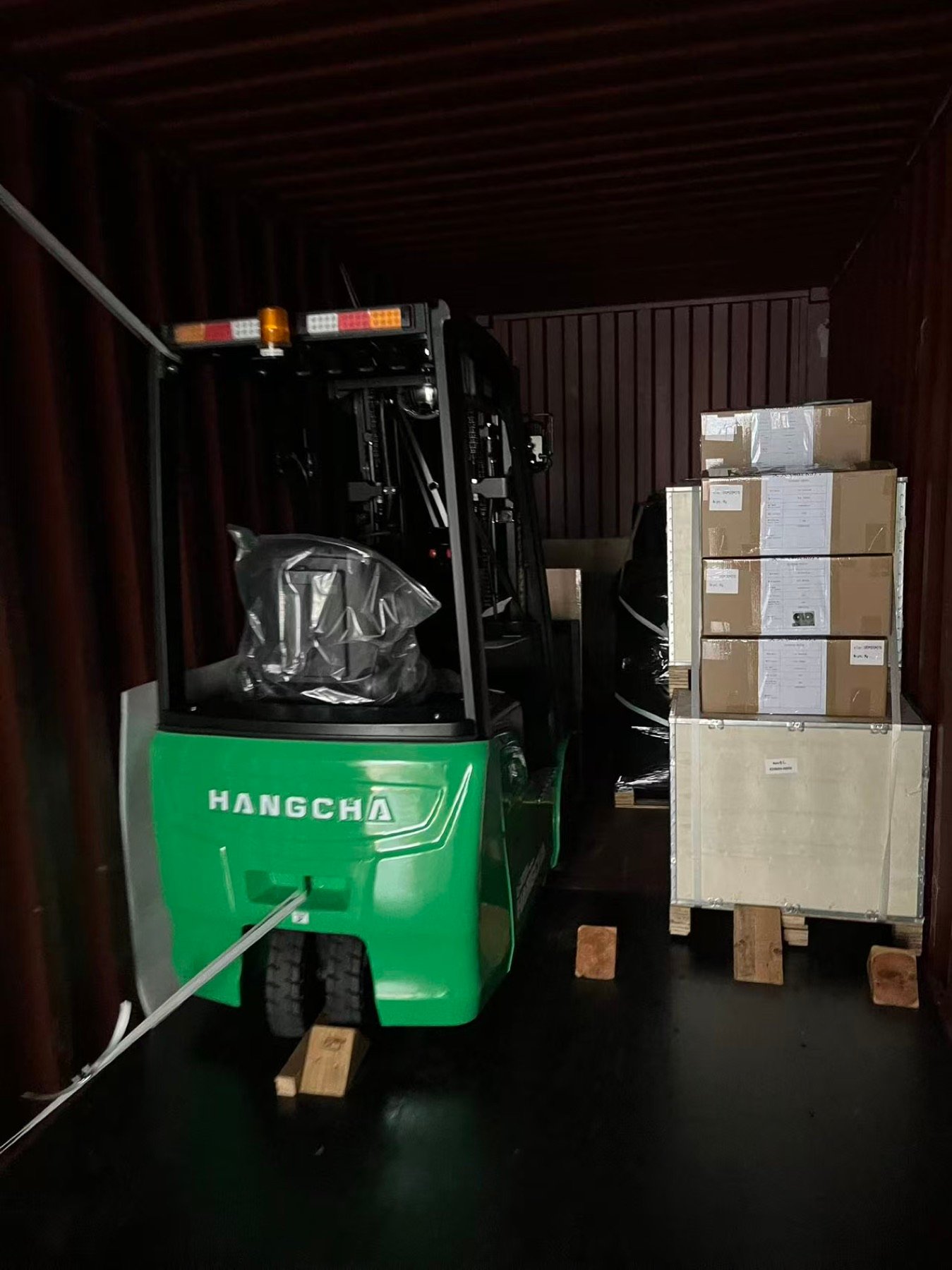
We also coordinate battery and charger details, planned service parts, inspection records, packing and shipment planning through our 360 service.
See how a carton clamp changes the truck specification
Carton handling removes the pallet, but it adds clamp weight, front overhang and extra hydraulic functions. Appliance dimensions, package strength, opening range and required clamping pressure must be checked before the Class 1 chassis is confirmed.
The operating video shows why a carton clamp is not a simple fork replacement. ForkFocus checks the carton clamp, carriage, pressure, flow and residual capacity as one working configuration.
Class 1 electric forklift FAQ
Can an electric forklift replace a diesel forklift outdoors?
Yes, when the selected series has the traction, gradeability, protection, tyre and battery plan for the route. XE and XH deserve particular comparison for demanding outdoor duty; XC can also cover mixed work when the specification is correct.
Why can a 3-tonne truck fail to handle a 3-tonne load?
The 3-tonne rating normally assumes a stated load centre and mast condition. A long load, high mast or attachment can reduce residual capacity below the real load weight.
Is lithium-ion always better than lead-acid?
No. Lithium usually reduces daily battery maintenance and supports opportunity charging, but lead-acid can remain economical where the battery room, spare-battery process and maintenance discipline already exist.
What should a distributor or rental company standardise?
Standardise common mast, tyre, carriage, charger and safety configurations only after reviewing the dominant jobs in the fleet. Too many one-off specifications raise parts and training costs.
How does ForkFocus support a Class 1 order?
We check the truck, mast, battery, charger, tyres, cab and attachment as one configuration. Documentation, planned spare items, packing and shipment are coordinated through our 360 service.
Compare the duty before comparing the price
Send the load, mast height, route, ramp, shift pattern and attachment requirement. We will narrow the correct series before preparing the commercial configuration.
Why Hangcha, and why ForkFocus
Choose the electric platform by duty
A, X, XC, XE and XH do not represent the same performance level. We compare travel route, lift frequency, gradient, battery and charger, cooling and operator space before recommending the platform.
For demanding outdoor work, XE is considered where customers expect IC-style travel and gradeability from an electric truck. XC remains the mainstream lithium choice, while XH sits at the top of the range for heavier duty.
One material-handling project
ForkFocus integrates forklifts, spare parts and Forklift Attachments into unified material handling solutions.
We confirm mast height, load centre, residual capacity, tyres, battery, charger and hydraulics, then coordinate inspection and shipment under one order plan.