Hangcha FIMS Fleet Intelligent Management System
Turn forklift hours, energy use, driver events, maintenance records and location data into an operating view for one site or a multi-site fleet.
See how the fleet is actually being used
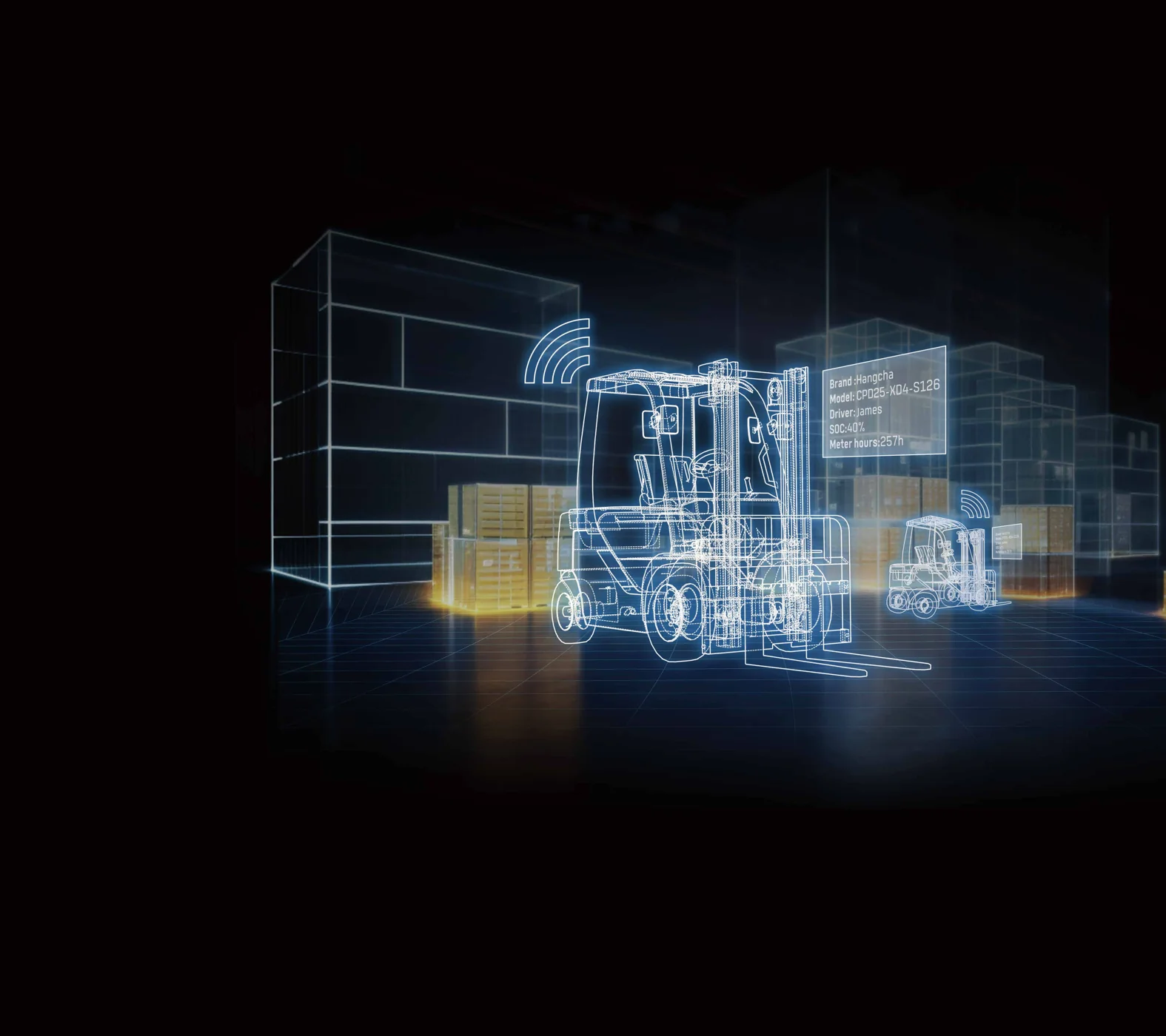
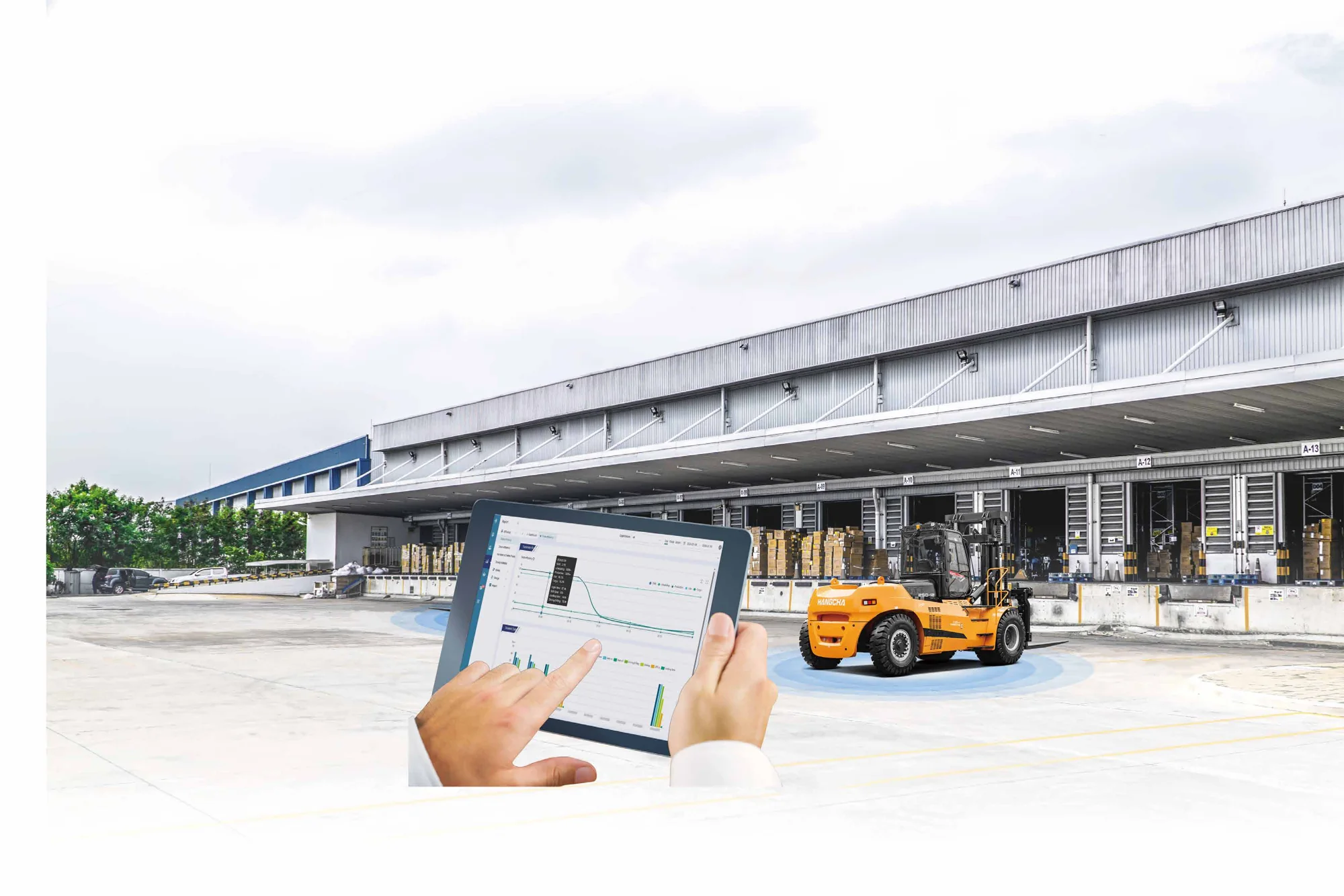
FIMS collects real-time truck and driver information for managers, operators and service teams. It can be viewed by computer or mobile device across multiple locations.
Usage and energy
Review working hours, travel distance, battery condition and energy use.
Safety control
Access control, overspeed records, vibration events and driver profiles identify operating risk.
Maintenance planning
Fault codes, repair records and scheduled service support preventive maintenance.
Integration depends on the truck and site system
FIMS supports OpenAPI connections with production-management, MES, SAP and BI environments. Function availability varies by forklift model and the data ports available on third-party equipment.
- Real-time GPS and electronic geofencing
- Truck and driver profiles
- Battery and fault-code monitoring
- Pre-shift inspection and repair records
- Remote authorization and shutdown where supported
ForkFocus confirms fleet size, sites, required reports, access rules and existing systems before defining the installation scope.
Industry experience: data only helps when the site acts on it
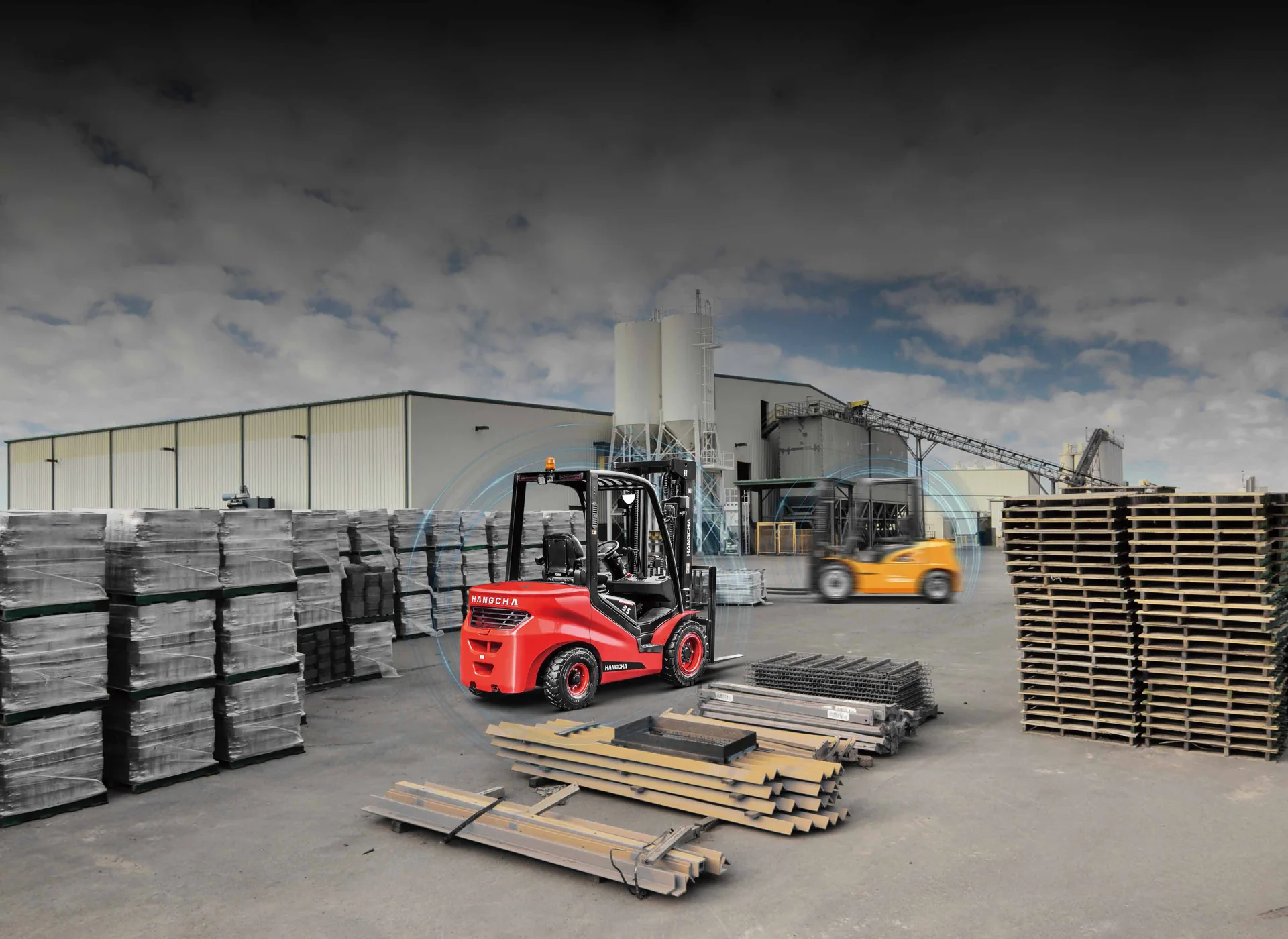
A fleet platform does not correct overspeed, idle time or missed maintenance by itself. Managers need agreed exception thresholds, named responsibility and a review routine.
ForkFocus checks truck compatibility, communication ports, driver authorization, site coverage and the reports that will actually be used.
See how FIMS connects trucks, drivers and service records
This system video shows the information flow from the forklift to fleet reports, driver management and maintenance planning.
Use it to confirm whether the required reports, access rules and site structure match the planned FIMS installation.
Hangcha FIMS system overview
Define the FIMS installation scope
What information can be reviewed?
Truck hours, travel distance, battery condition, energy use, driver events and maintenance information can be reviewed, depending on the installed functions.
How should the fleet be defined?
Confirm fleet size, sites, required reports, access rules and the existing systems.
Are integrations identical on every truck?
No. Function availability depends on the forklift model and the data ports available.
Which maintenance records can be reviewed?
Confirm the required fault-code, repair-record, pre-shift inspection and service-scheduling functions for the installation.
What should be checked for system connections?
Review the required OpenAPI connection and the existing production-management, MES, SAP or BI environment.
Does collecting data itself correct unsafe operation?
No. Assign responsibility, exception thresholds and a review routine.
ForkFocus confirms the machine, options and delivery plan
Before release, we check the actual route, load, lift or working height, attachment or deck requirement, tyre choice, charger supply and daily duty. This is where two machines with similar catalogue ratings can become very different working solutions.
The same order can include forklift attachments, forklift spare parts and the required charging or safety equipment.
Forklifts and larger equipment normally move by LCL or full container according to cargo volume, delivery date and destination. Urgent parts can be arranged separately through our flexible shipping service.