
Lithium vs lead-acid forklift battery
Lithium-ion batteries favour opportunity charging, low routine battery maintenance and frequent stop-start work. Lead-acid remains workable where charging rooms, planned battery care and suitable shift schedules already exist. The correct choice depends on daily utilisation, charging windows, electricity supply, temperature, operator discipline and lifecycle support.
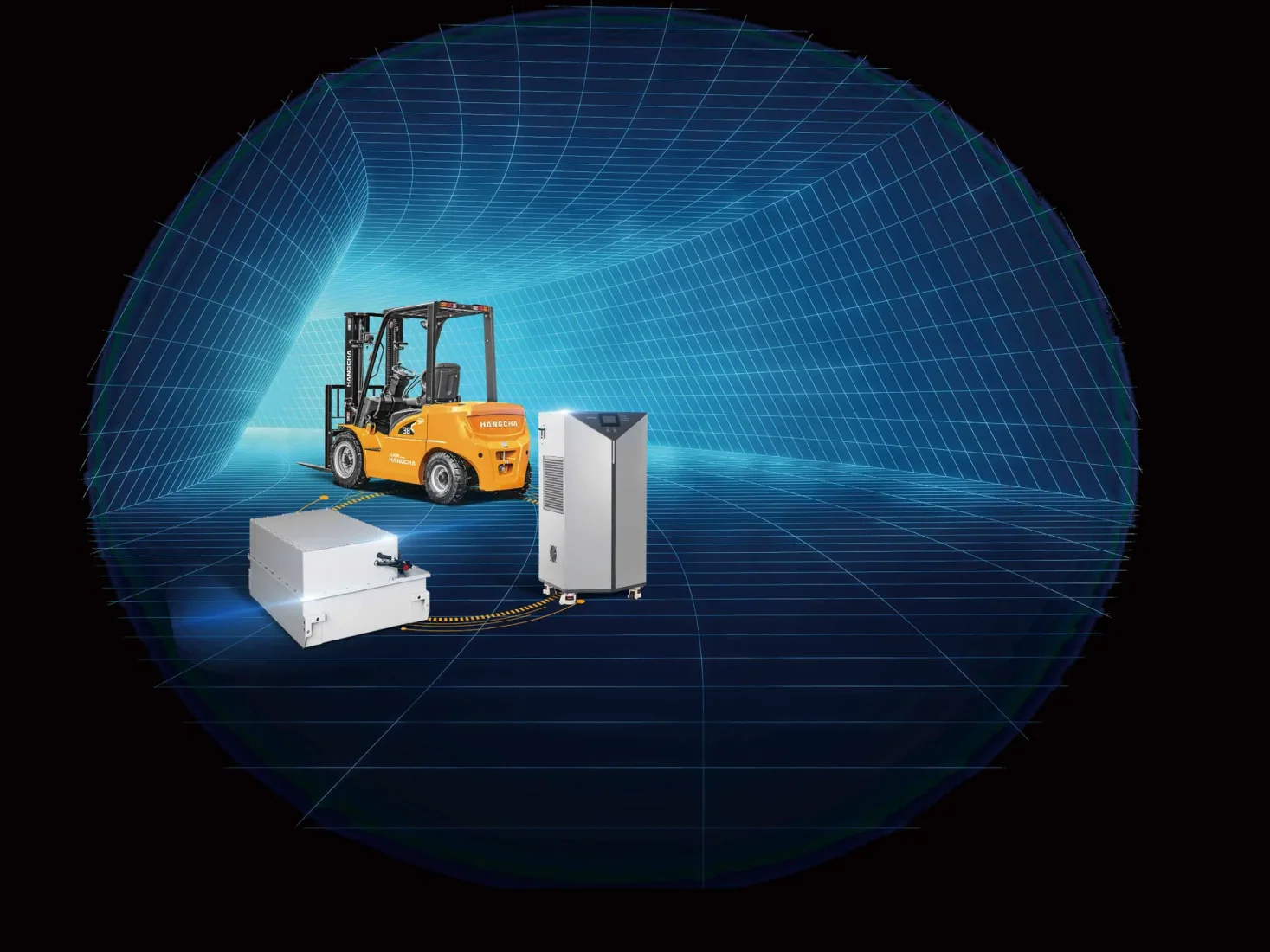
Watch a lithium forklift under real operating conditions
This ForkFocus landscape video shows a named lithium forklift moving and working. It provides operating context; battery chemistry, capacity, charger input and shift suitability still require confirmation for the proposed truck and site.
The battery decision is a shift-planning decision
Choose a battery system that fits the operating schedule and infrastructure.
The battery and charging arrangement must support the real shift pattern, not only the truck specification.
Match the charging strategy to the working schedule
Choose lithium when short charging windows, opportunity charging, low routine battery care and high availability are important. Choose lead-acid when an established charging room, disciplined watering/equalisation programme and adequate charge/cool-down time already fit the operation. Do not compare battery price without comparing the whole shift and charging system.
Compare charging systems, not only battery chemistry
Choose a battery system that fits the operating schedule and infrastructure.
| Decision factor | Lithium-ion | Lead-acid | Information to provide |
|---|---|---|---|
| Charging pattern | Supports planned opportunity charging where manufacturer guidance allows | Usually needs longer full-charge and cool-down planning | Shift timetable and available breaks |
| Routine care | No watering; battery management system is central | Watering, cleaning and equalisation discipline may be required | Maintenance responsibility and training |
| Infrastructure | Compatible charger and destination electrical supply required | Charging area, ventilation and battery-handling process may be required | Voltage, frequency, space and ventilation |
| Availability | Can suit frequent stop-start and multi-shift schedules | May require spare battery or exchange planning for intensive duty | Hours, shifts and charging window |
| Temperature | Performance and charging limits remain system-specific | Cold and heat also affect performance and life | Ambient and cold-storage temperatures |
| Purchase scope | Truck, battery, charger, plug and documentation must match | Same, plus any battery-change equipment and charging-room needs | Exact supply scope and connector standard |
Map the working day before choosing the battery
Battery choice should follow an actual operating-and-charging schedule, not a chemistry preference.
Daily energy demand
Record operating hours, travel, lift cycles, attachments and idle time. Nominal battery capacity alone does not define availability.
Charging window
Map breaks, shift changes and overnight time. Confirm whether opportunity charging is allowed for the exact system.
Destination power
Verify voltage, phase and frequency before selecting the charger. Do not assume Chinese domestic charger input fits the destination.
Temperature
State freezer, cold-room, outdoor heat and charging-area conditions. Battery and charger limits must be checked.
Operator and maintenance process
Confirm who charges, inspects, waters or records the battery and whether the site can sustain that routine.
Lifecycle plan
Compare expected utilisation, warranty conditions, service access, battery replacement and downtime—not only initial price.
Use charging windows and maintenance capability
The final recommendation can change when the load, route, duty or site constraints change.
Choose lithium when…
The operation benefits from opportunity charging, the site has compatible electrical supply and the buyer values low routine battery care and high availability.
Choose lead-acid when…
The site already manages charging rooms, watering and long charge/cool-down periods, and the shift pattern leaves sufficient time.
Review further when…
The truck works in cold storage, runs multiple shifts, uses high-demand hydraulics or must use a destination electrical supply that has not been verified.
Battery and charging details in real equipment
Each image has a defined buyer purpose. Captions state what the image does—and does not—verify.
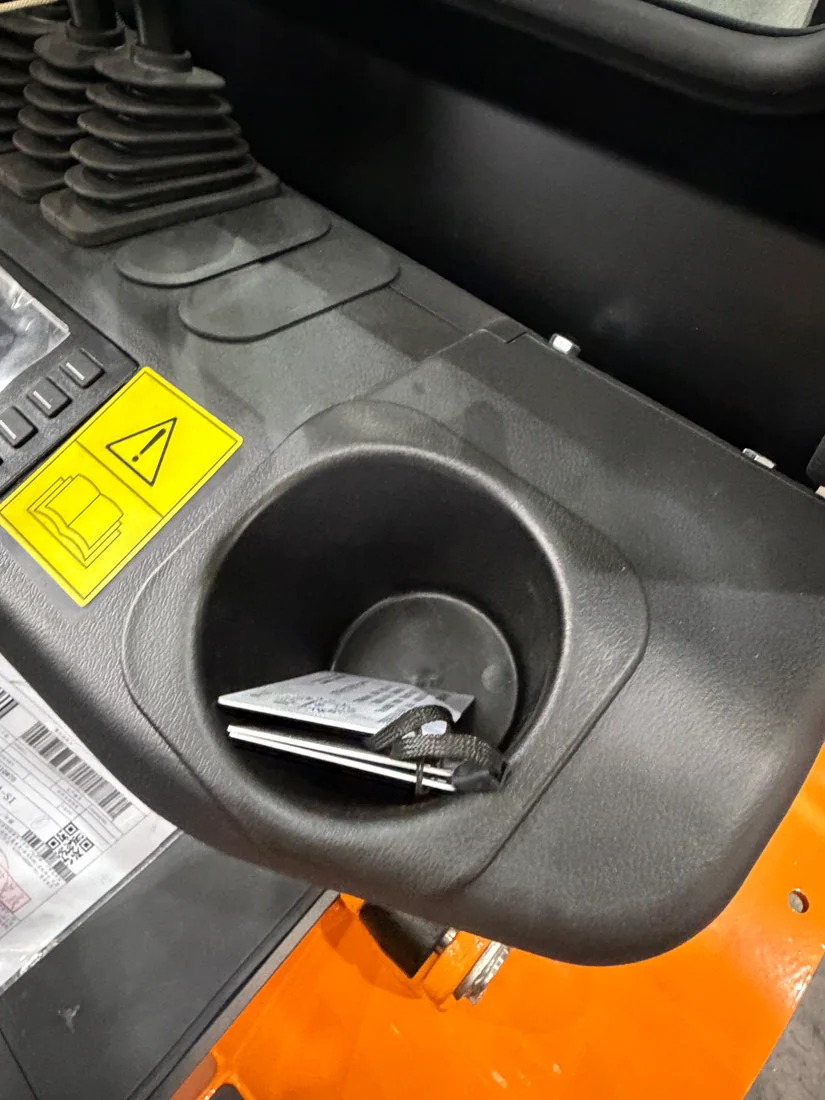
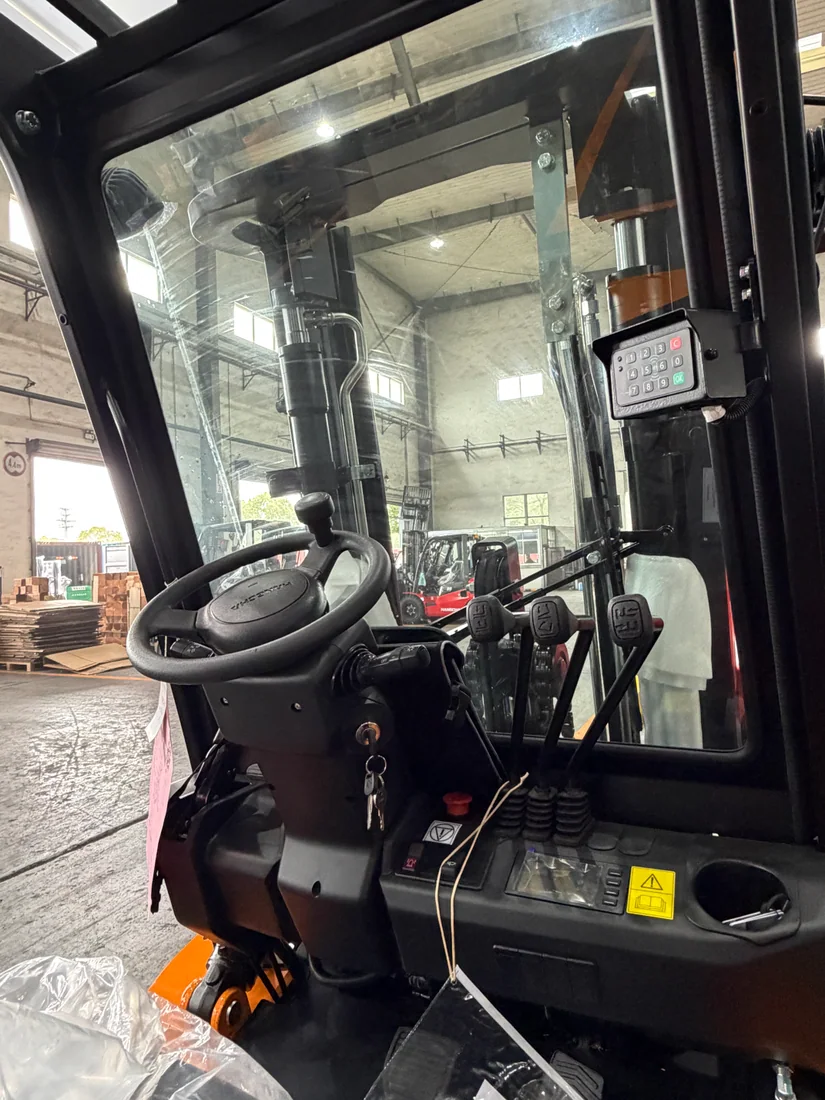
Verify the complete truck–battery–charger system
Treat the truck, battery, charger and destination electrical supply as one operating system.
Carry the battery decision into the quotation
Confirm truck, battery and charger configuration for quotation.
Questions about charging and battery operation
Practical guidance for procurement and equipment teams.
Can lithium batteries be charged during breaks?
Many lithium systems support opportunity charging, but the permitted charging pattern and charger must be confirmed for the exact battery system.
Does a lead-acid battery always need a spare battery?
No. The need depends on utilisation, charge and cool-down time, shift schedule and the ability to take the truck out of service.
What charger information should an importer provide?
Provide destination voltage, phase, frequency, plug or connector requirements, available circuit capacity and intended charging location.
Which battery is better for cold storage?
There is no universal answer. Confirm operating and charging temperature limits, thermal management, required runtime and the selected manufacturer configuration.
Match the battery to the working day
Provide the shift schedule, charging window and destination power so the truck, battery and charger can be reviewed together.