
Order Pickers for Ground-Level and High-Level Picking
Low-level, medium-level and high-level order pickers are matched to travel distance, pick height, rack layout and the operator’s complete working cycle.
Choose by pick height and route—not platform capacity alone
A low-level truck earns its keep on long horizontal routes with repeated first- and second-level picks. Medium- and high-level machines move the operator with the load and therefore require a closer review of rack access, platform guarding and emergency lowering.
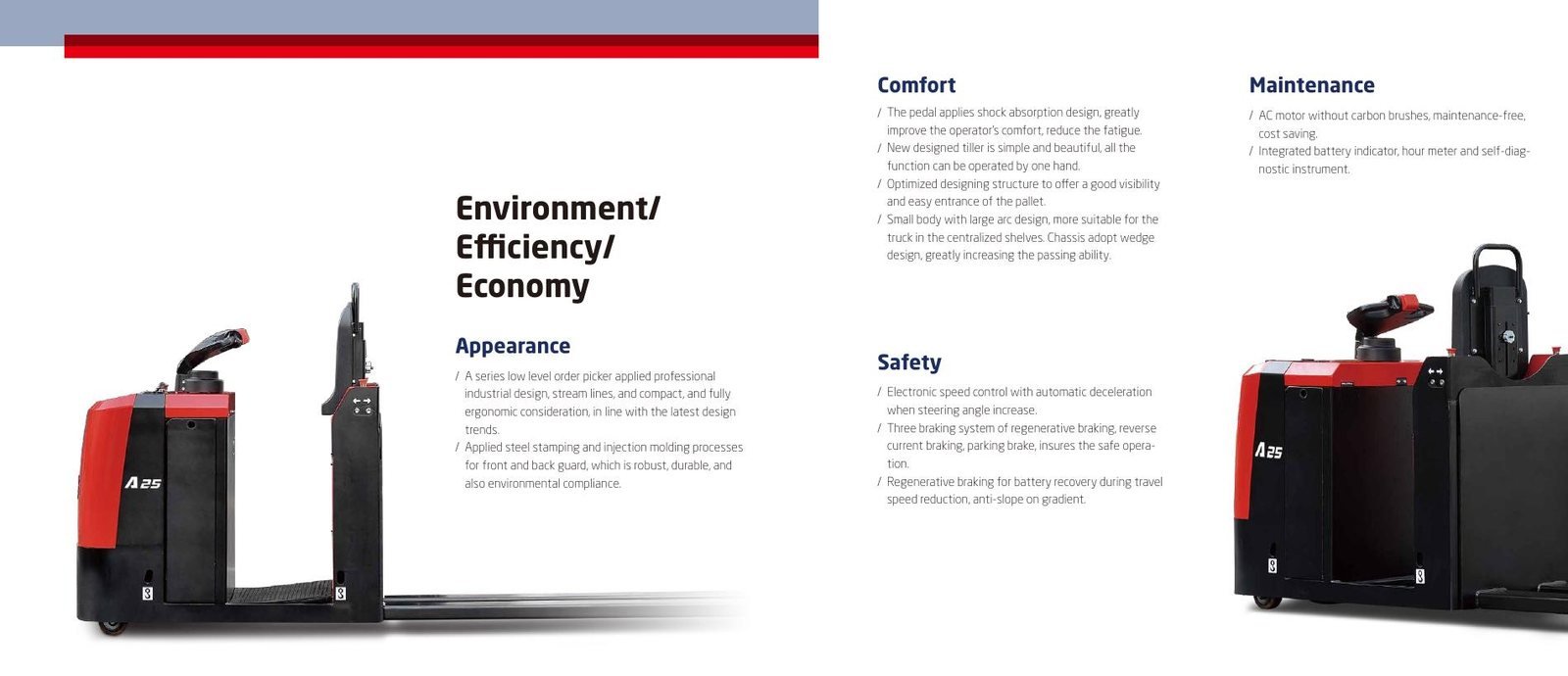
CJD25-AC2-L and X Series CJD25 variants carry up to 2.5 t for long production-line and warehouse picking routes.
CJD07 and CJD10 models cover elevated case picking where platform height, rail position and travel route must be checked together.
CJD12 and CJD13 models serve high racking. The operator compartment, picking height and load tray determine the final configuration.
CJD13-AC4-HNAZTI is intended for guided or tightly controlled aisle work where rack clearances and floor tolerances are part of the truck specification.
What an experienced fleet team checks
Rated capacity does not tell us how the truck will perform through a full shift. We confirm the number of picks per hour, average travel distance, turning points, floor joints, pick height and the size of the tote or pallet carried on the platform.
For high-level picking, the rack face, overhead clearance, platform gate and emergency recovery procedure must be agreed before delivery.
| Load | Carton, tote or pallet dimensions, total weight and load position. |
|---|---|
| Picking height | Highest hand position, platform height and rack beam arrangement. |
| Aisle | Clear aisle width, end-of-aisle turning space and guidance method. |
| Cycle | Travel distance, picks per hour, shift duration and charging window. |
| Safety | Floor condition, pedestrian traffic, gates, sensors and emergency lowering. |
One order, one operating plan
ForkFocus integrates the order picker, planned forklift spare parts and any required Forklift Attachment into one material handling solution.
We confirm the machine configuration, common service items, documents, packing and shipment arrangement before the order is released. For order pickers, non-standard trays, forks and load carriers are checked against the real picking unit.
See warehouse order picking in operation
Video helps a project team judge operator access, steering behaviour and product handling more quickly than a specification table alone. This ForkFocus example shows lithium order pickers from low-level to high-level operation.
All order picker platforms in one selection page
This range is organised by the operator’s working height, travel distance, aisle control and the type of load collected. The complete model code is shown here so procurement teams can compare the correct platform without opening eight separate product pages.
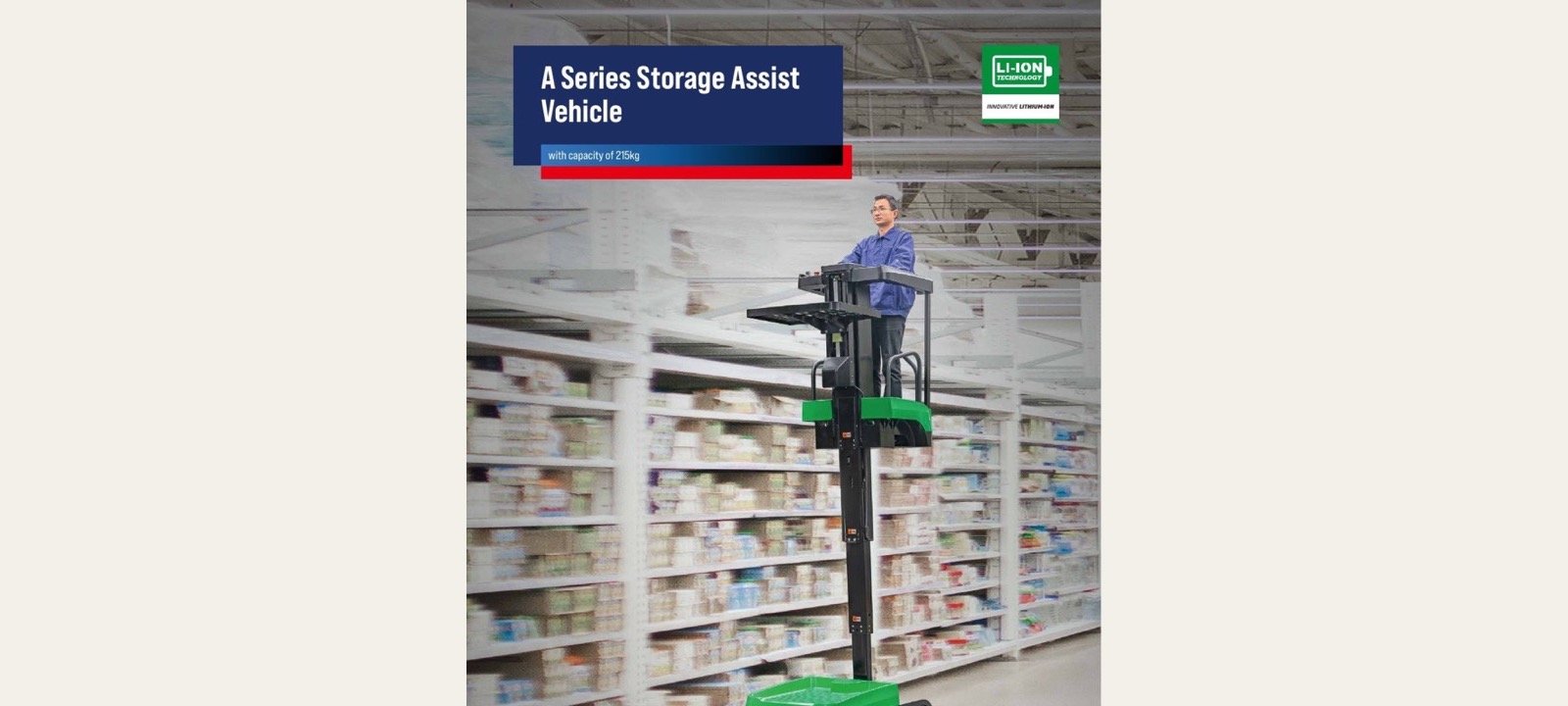
A Series Storage Assist · 0.2 t
For shelf replenishment, stock checking and light picking. This is a personnel-elevating storage vehicle rather than a pallet stacker.
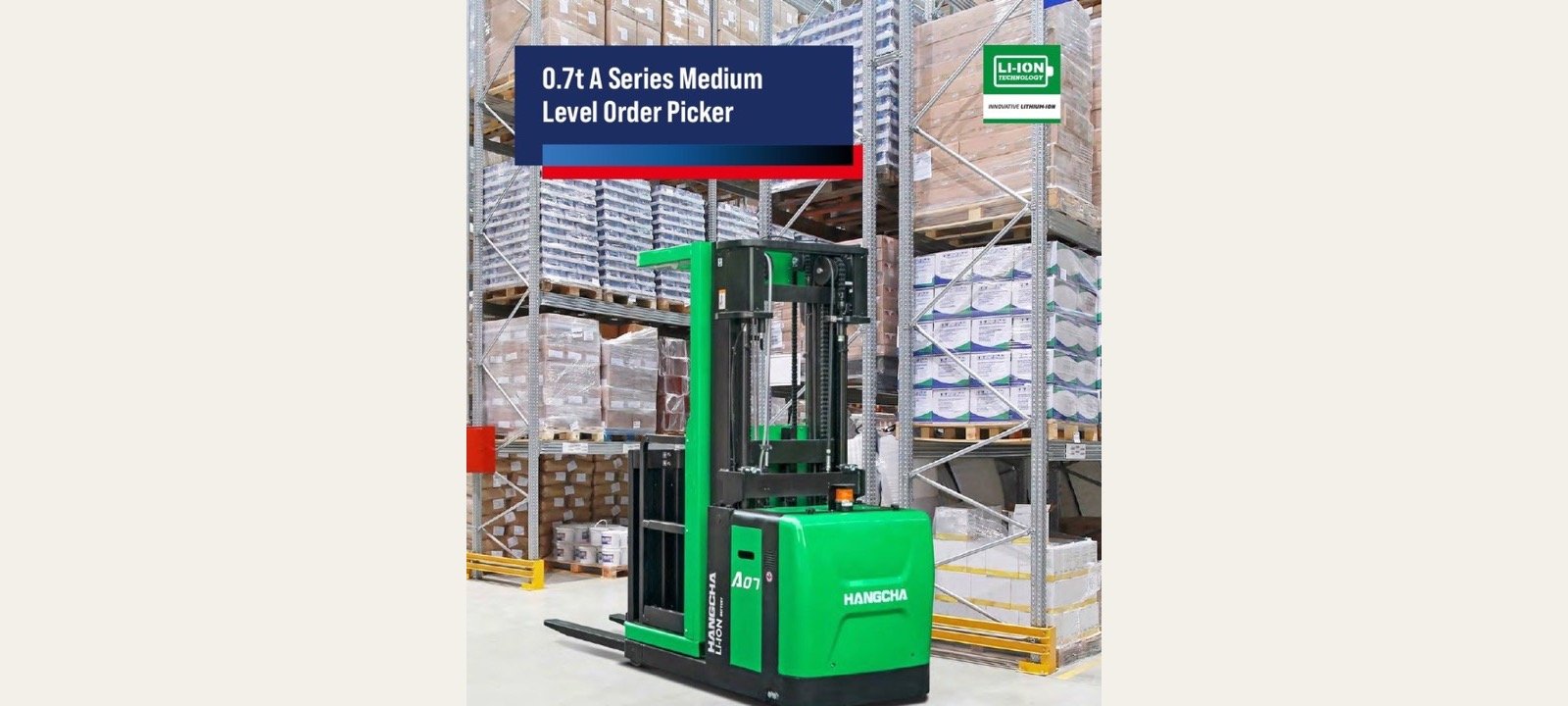
A Series Medium-Level · 0.7 t
For medium rack levels with a 4,730 mm elevated stand height. It is the lighter route when a 1.0 t platform is unnecessary.
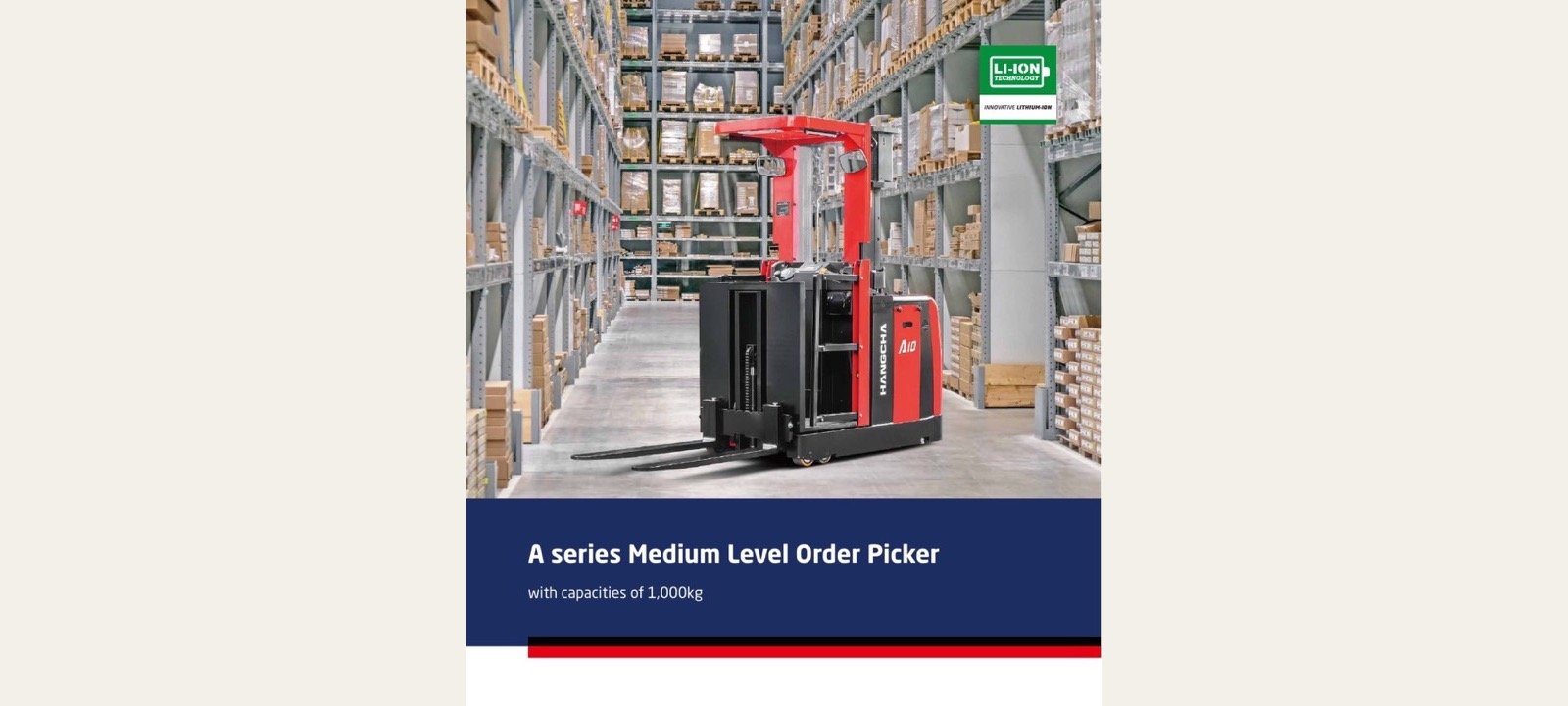
A Series Medium-Level · 1.0 t
M1 covers lower pick faces; M2 adds about 1.5 m of elevated stand height. Battery and guard-rail suffixes are part of the working configuration.
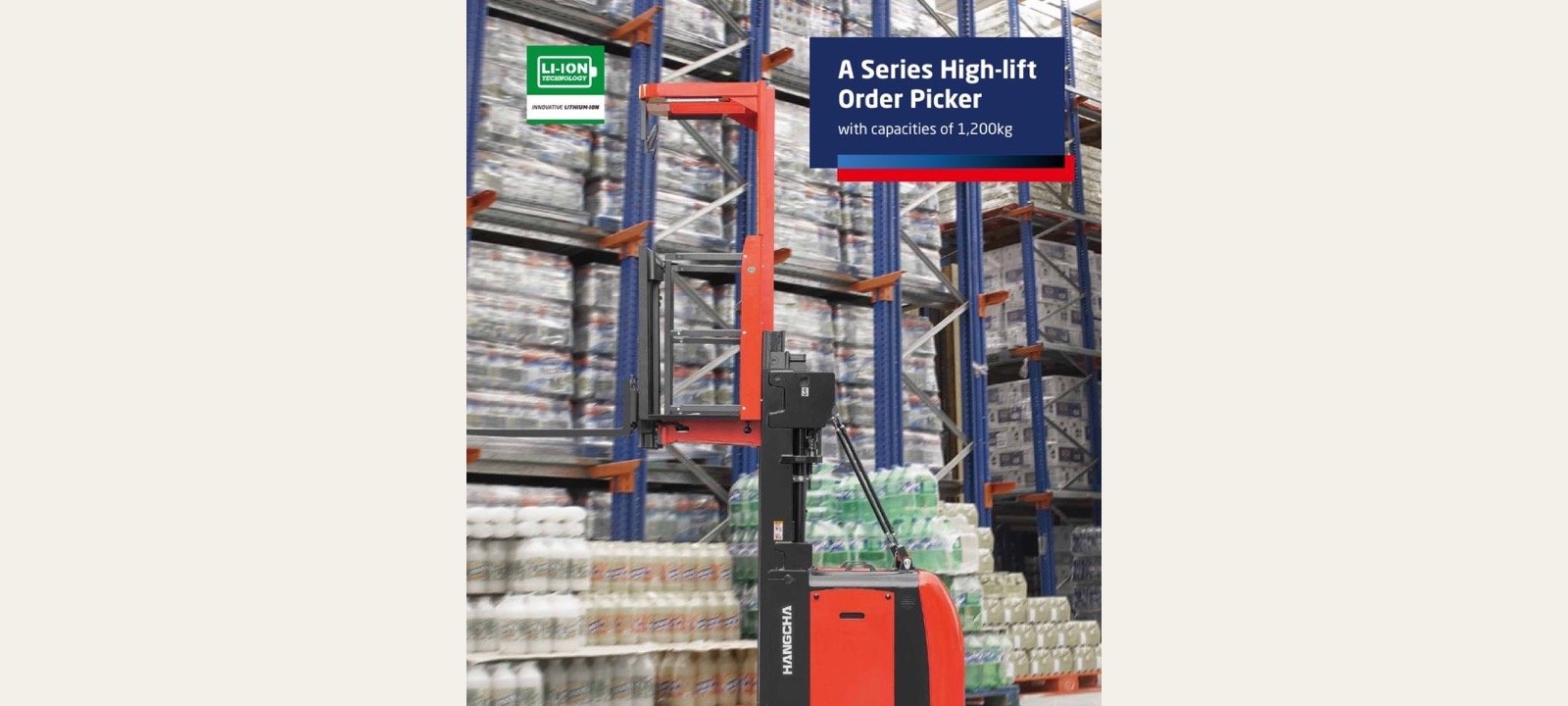
A Series High-Lift · 1.2 t
For tall rack picking with lead-acid or lithium power. Fork and operator-retention arrangements must be confirmed with the suffix.
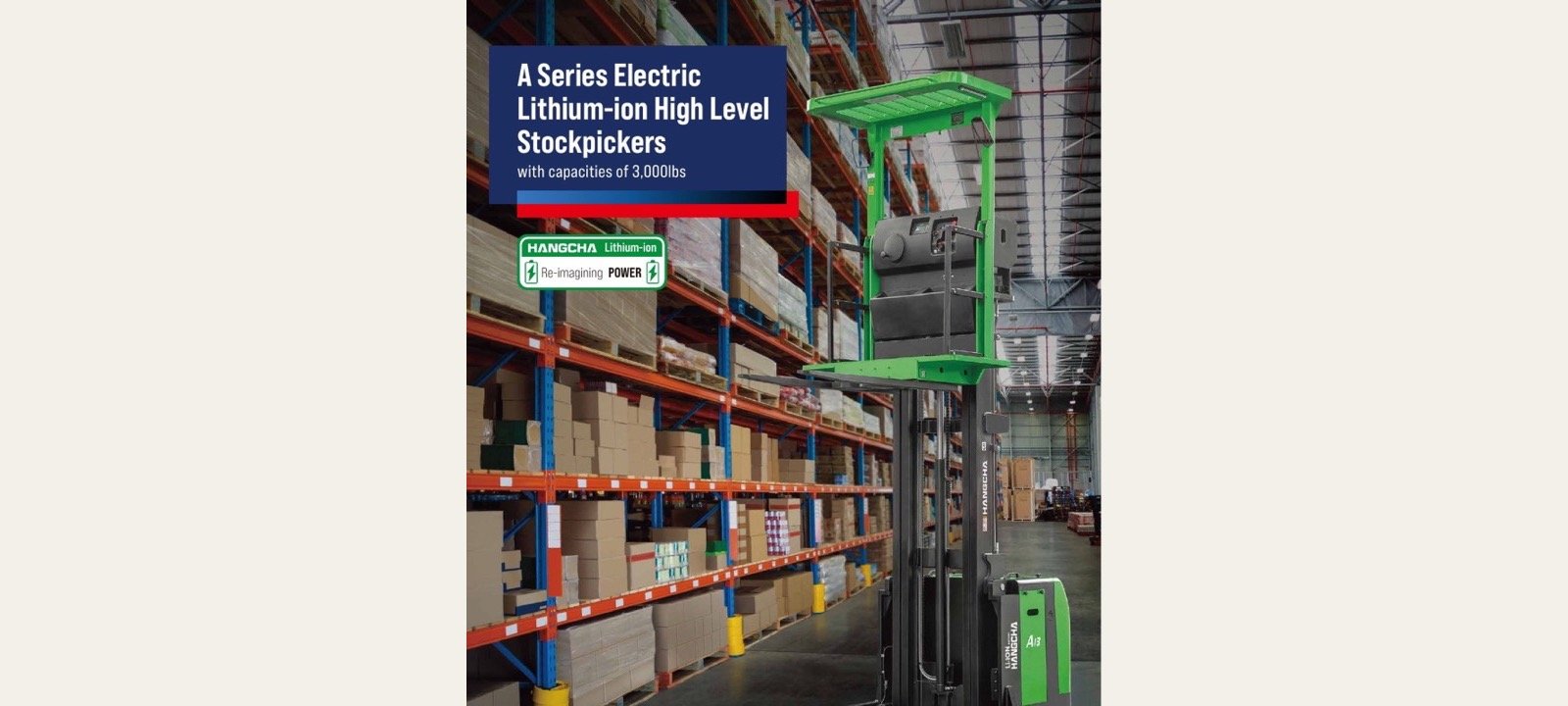
A Series High-Level · 1.36 t
For pallet and case picking at high rack levels. Mast height, pallet lock, fork spread and fall protection are reviewed as one system.
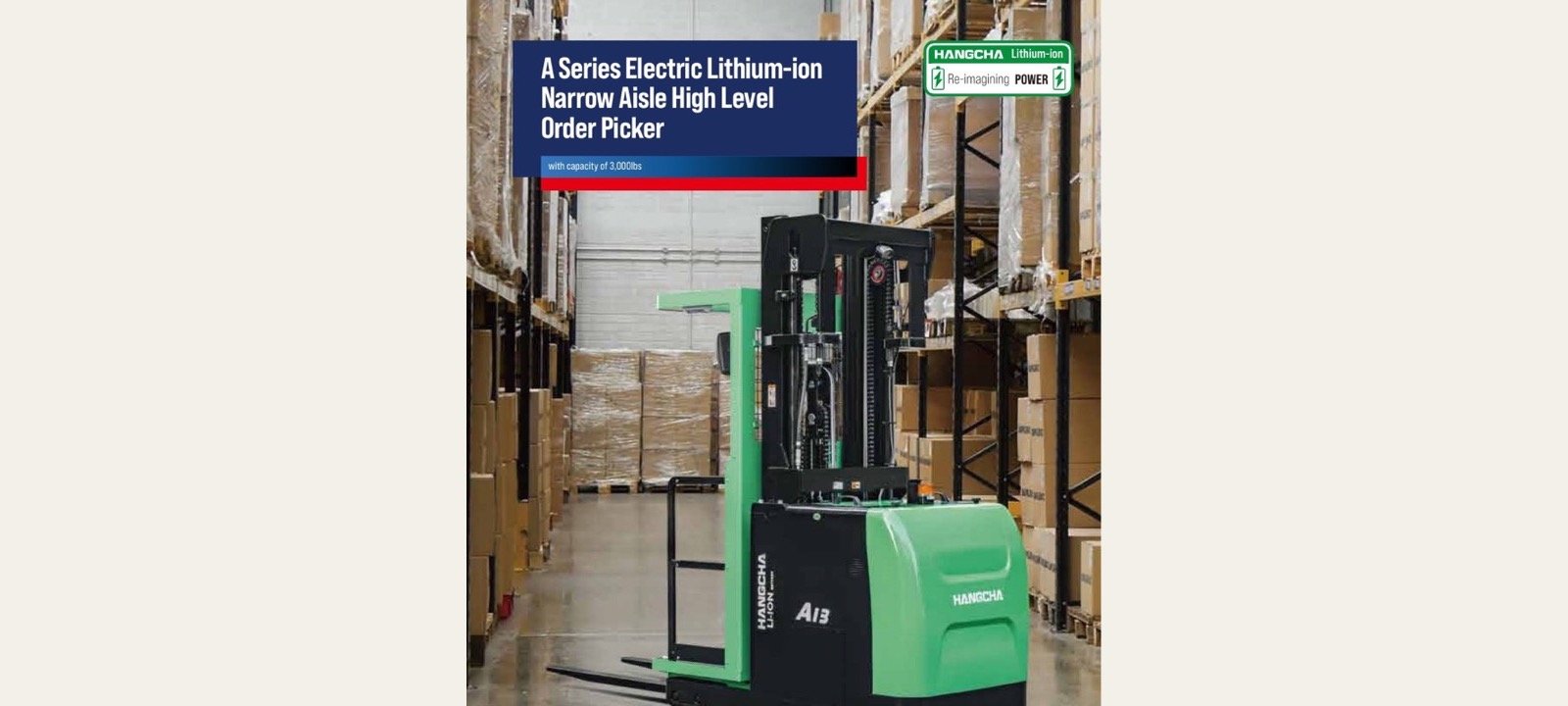
A Series Narrow-Aisle High-Level · 1.36 t
For guided narrow aisles where floor flatness, rack tolerance and guidance accuracy control the real clearance.
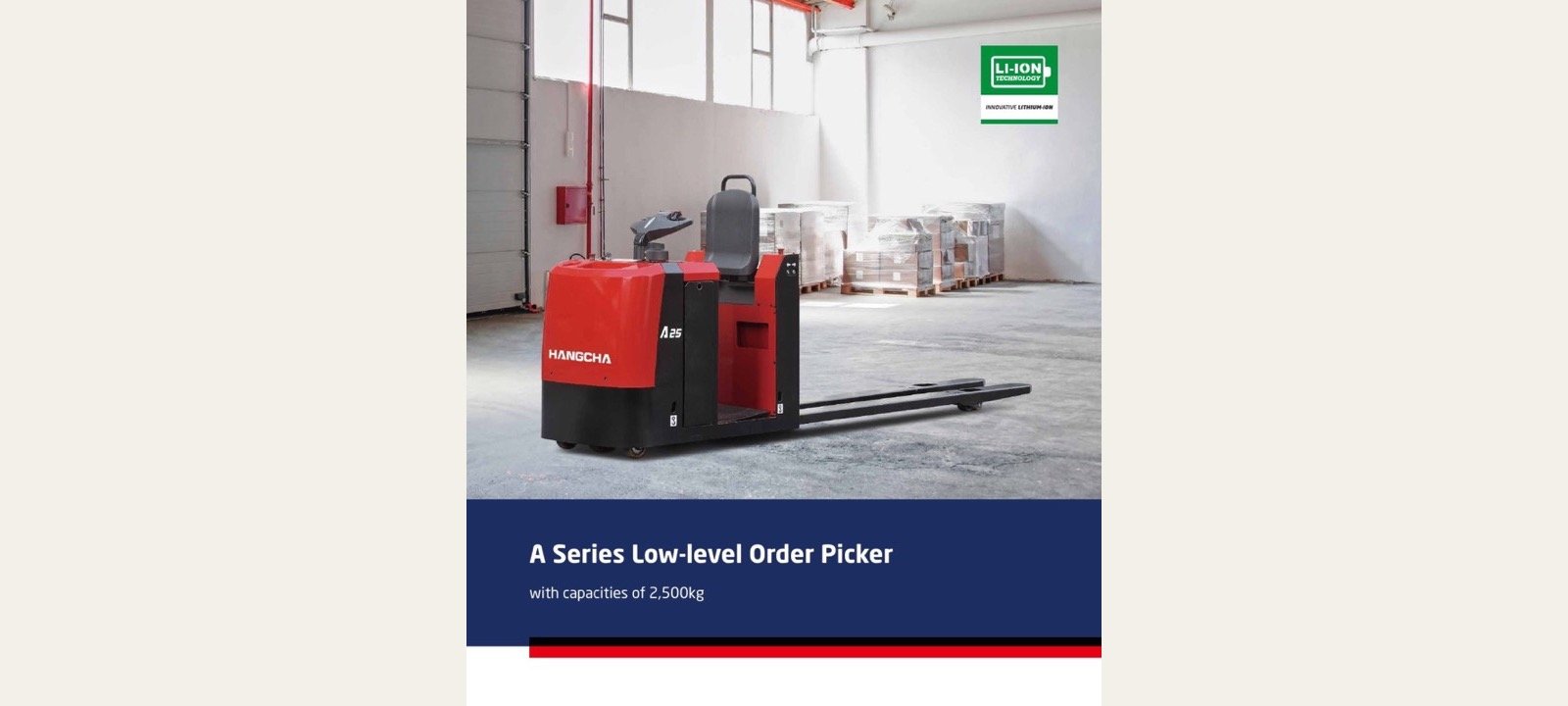
A Series Low-Level · 2.5 t
A 24 V route truck for long horizontal picking cycles where purchase cost and standard travel speed matter more than peak throughput.
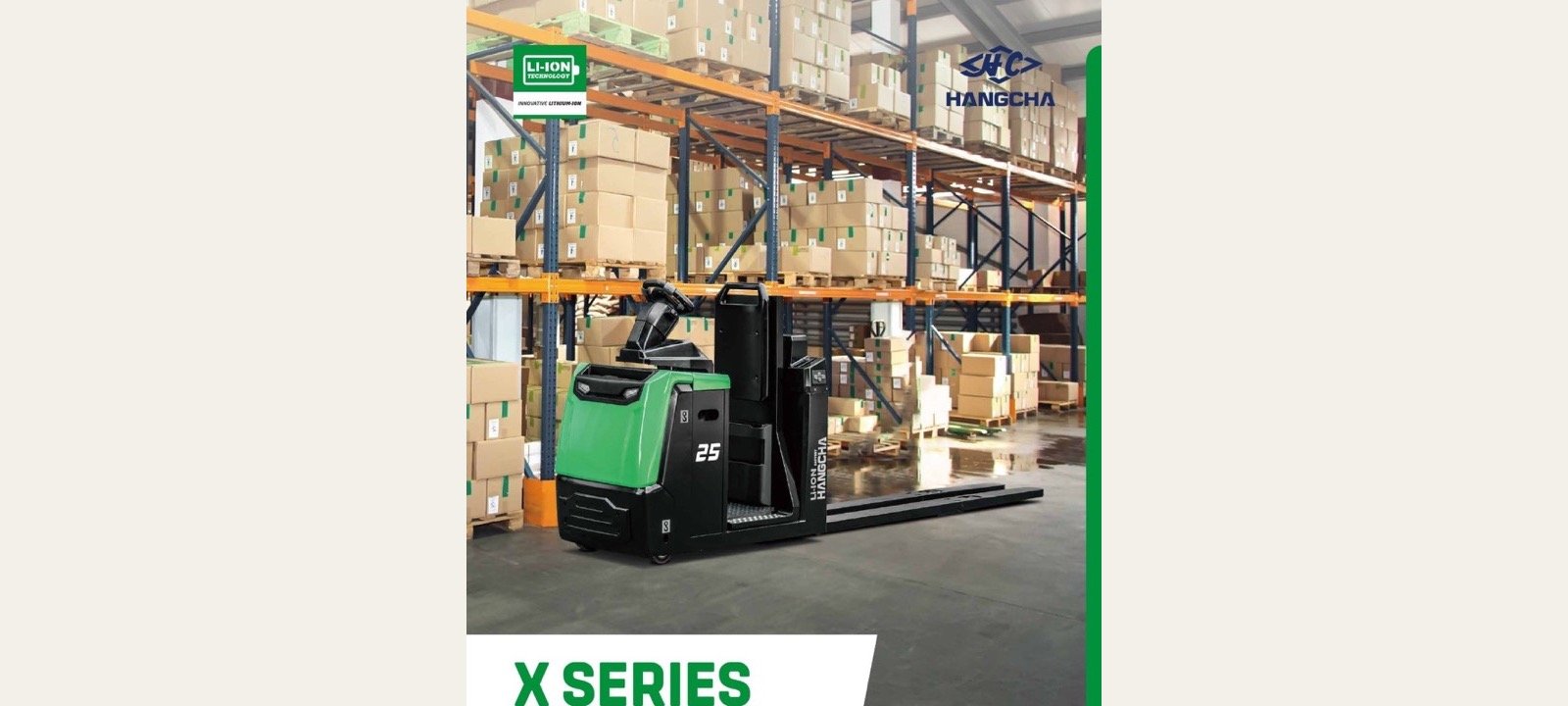
X Series Low-Level · 2.5 t
A 48 V lithium route for higher travel demand. The LIT version adds a lifting standing platform for repeated picks above floor level.
Choose the order picker in four checks
The correct truck follows the picking task. Fix the highest hand position first, then check the aisle, the carried load and the full travel cycle.
| Picking task | Recommended platform | Working range | What decides the choice |
|---|---|---|---|
| Light shelf replenishment | CJD02 storage assist | Operator, tray and deck load | Doorway width, platform clearance and the combined operator/load weight. |
| Medium-level case picking | CJD07 / CJD10 M1–M2 | 0.7–1.0 t | Highest hand position and platform load—not nominal capacity alone. |
| High-level case and pallet picking | CJD12 / CJD13 / OPHT13Li | 1.2–1.36 t | Platform gate, pallet retention, mast height and emergency lowering. |
| Guided narrow-aisle picking | OPHTS13Li / CJD13 HNAZTI | 1.36 t · 600 mm load centre | Guidance method, floor tolerance, rack overhang and real aisle clearance. |
| Long horizontal picking route | A or X Series CJD25 | 2.5 t | A controls investment; X supports higher travel demand with a 48 V lithium platform. |
Why Hangcha
One product range covers storage assistance, low-level travel, medium-level picking, high-level picking and guided narrow-aisle work.
A and X platforms let the truck follow the duty level instead of forcing every warehouse onto one cost and performance specification. Lead-acid and lithium configurations also allow the charging plan to follow the shift.
Why ForkFocus
ForkFocus confirms the highest hand position, clear aisle, load unit, travel route, traffic condition and battery window before fixing the model code.
We coordinate the order picker, planned forklift spare parts, required Forklift Attachment, inspection and shipment as one material-handling project.
Order Picker FAQ
When is a low-level order picker better than a pallet truck?
Use an order picker when the operator repeatedly leaves the driving position to collect cases or totes. A pallet truck is usually more economical for full-pallet transport without repeated picking.
What is the difference between medium- and high-level machines?
The practical difference is the operator’s required picking height, not only the platform travel. Rack face, guard rails, overhead clearance and emergency lowering must all suit that height.
Which models are included?
The range includes CJD02, CJD07, CJD10, CJD12, CJD13 and CJD25 configurations. The suffix identifies the operating platform, level and options, so the full model code is confirmed from the application.
What are the normal commercial terms?
Standard small warehouse trucks normally require about 30 days after configuration confirmation. Warranty is normally 1–2 years or 2,000 working hours, whichever comes first; payment is normally 30% deposit and 70% before delivery.
Send the picking route before selecting the truck
Share the load, rack layout, picking height, aisle width and daily cycle. ForkFocus will return a practical order-picker configuration together with service parts and delivery requirements.